
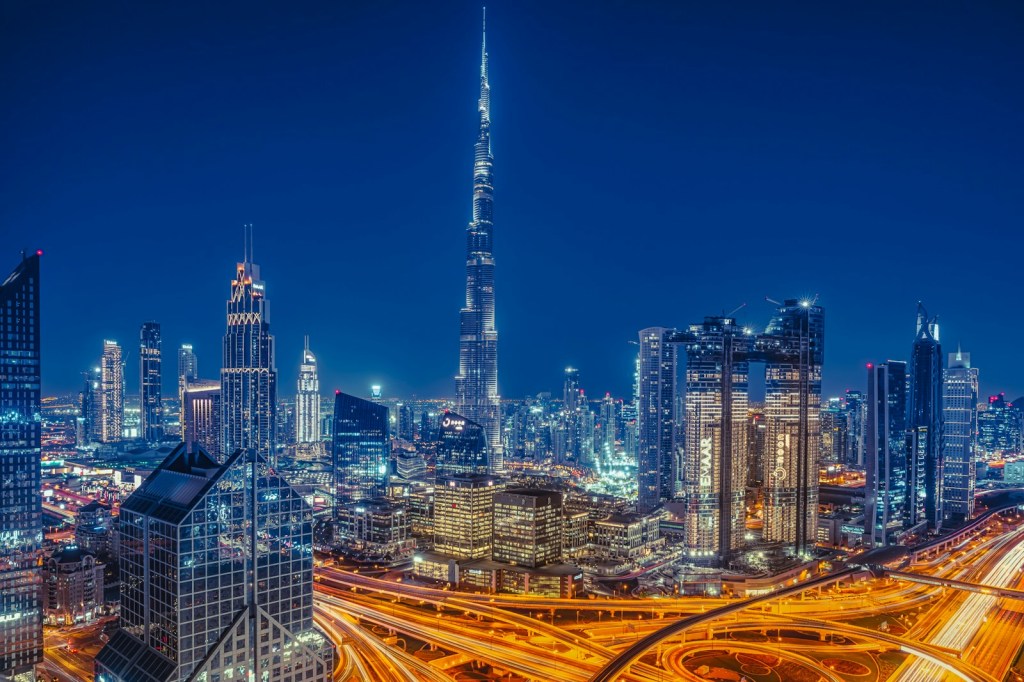
What are the tallest buildings in the world, and how do they stay upright in strong wind, typhoons and earthquakes? The answer is rarely just more steel. Each of the seven towers in this article solves a different problem: one hangs a 660-metric-ton steel ball near its crown, one twists as it rises, one is built from bundled tubes, and one has a floor plan shaped like the letter Y.
The short answer: the tallest building in the world is the Burj Khalifa in Dubai, at 828 metres (2,717 feet).
This guide follows our video countdown. It is an editorial selection of seven finished skyscrapers, not an official top-seven list, so some famous towers are missing and the order reflects the story we chose to tell rather than a strict ranking by height. For official rankings, the Council on Tall Buildings and Urban Habitat maintains the Skyscraper Center database.
List of tallest buildings in the world: the seven at a glance
| Building | Location | Key figure | Engineering idea |
|---|---|---|---|
| Lotte World Tower | Seoul, South Korea | 555 m (1,821 ft), 123 floors | Tallest building in South Korea |
| Shanghai Tower | Shanghai, China | 632 m (2,073 ft) | Twists 120 degrees to reduce wind force |
| Petronas Towers | Kuala Lumpur, Malaysia | 452 m (1,483 ft) | Twin towers joined by a sky bridge |
| Taipei 101 | Taipei, Taiwan | 508 m (1,667 ft) | 660-metric-ton steel ball damper |
| Willis Tower | Chicago, U.S. | Completed in 1973 | Nine bundled tubes |
| One World Trade Center | New York City, U.S. | 541 m (1,776 ft) | Tallest building in the Western Hemisphere |
| Burj Khalifa | Dubai, United Arab Emirates | 828 m (2,717 ft) | Y-shaped floor plan |
The history of the tallest buildings in the world, in brief
The title of tallest building has changed hands only a few times in recent decades. The Willis Tower, finished in 1973, held it for almost 25 years. The Petronas Towers took over in 1998 and kept the title until 2004, when Taipei 101 became the tallest building in the world. Taipei 101 held the record until the Burj Khalifa opened in 2010, and the Burj Khalifa has remained the tallest building ever built.
Seven giants, counted down
7. Lotte World Tower, Seoul (555 m / 1,821 ft)
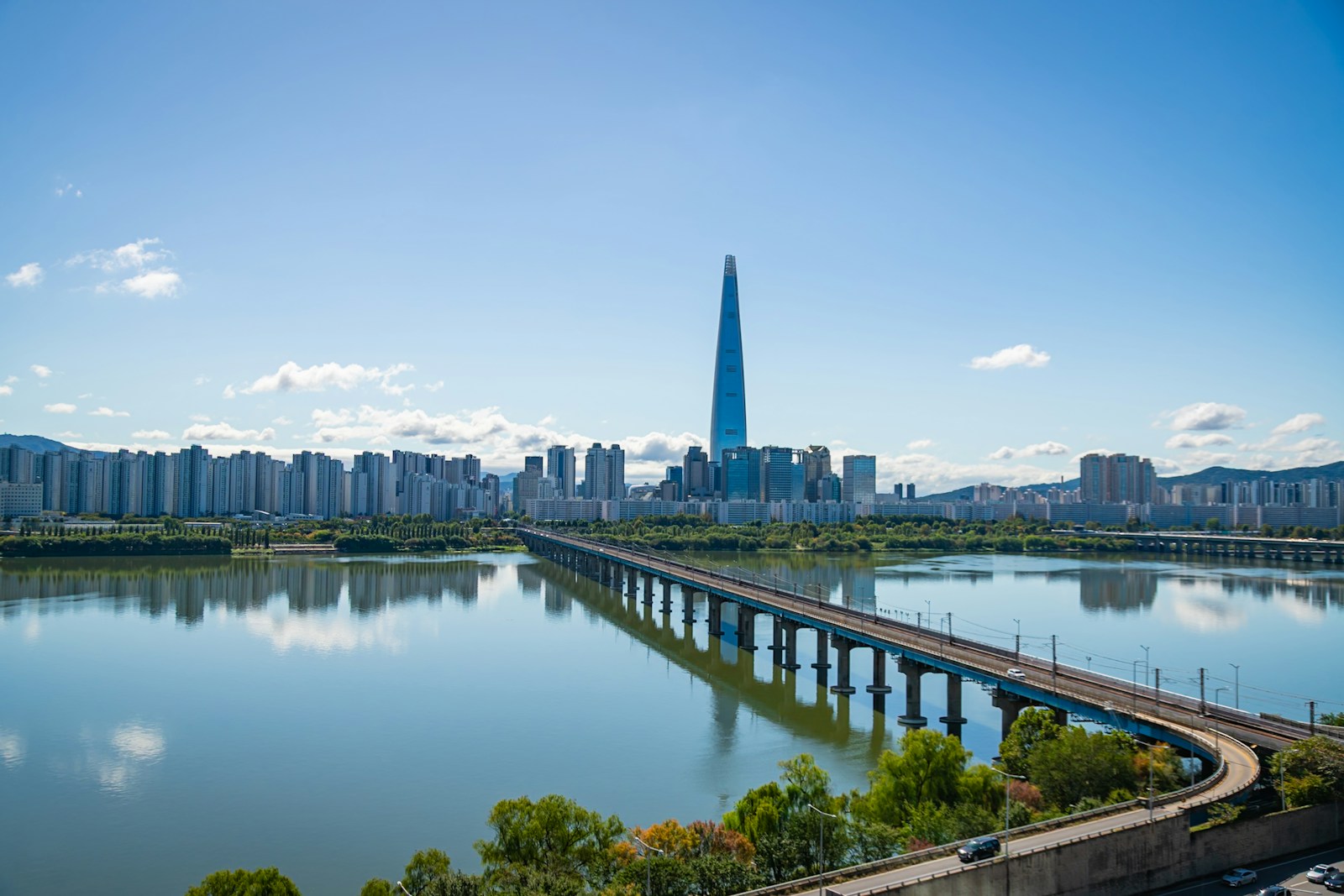
Rising 555 metres (1,821 feet) above Seoul with 123 floors, Lotte World Tower opened in 2017 and is the tallest building in South Korea. At this height, even the elevator ride becomes part of the experience.
6. Shanghai Tower, China (632 m / 2,073 ft)
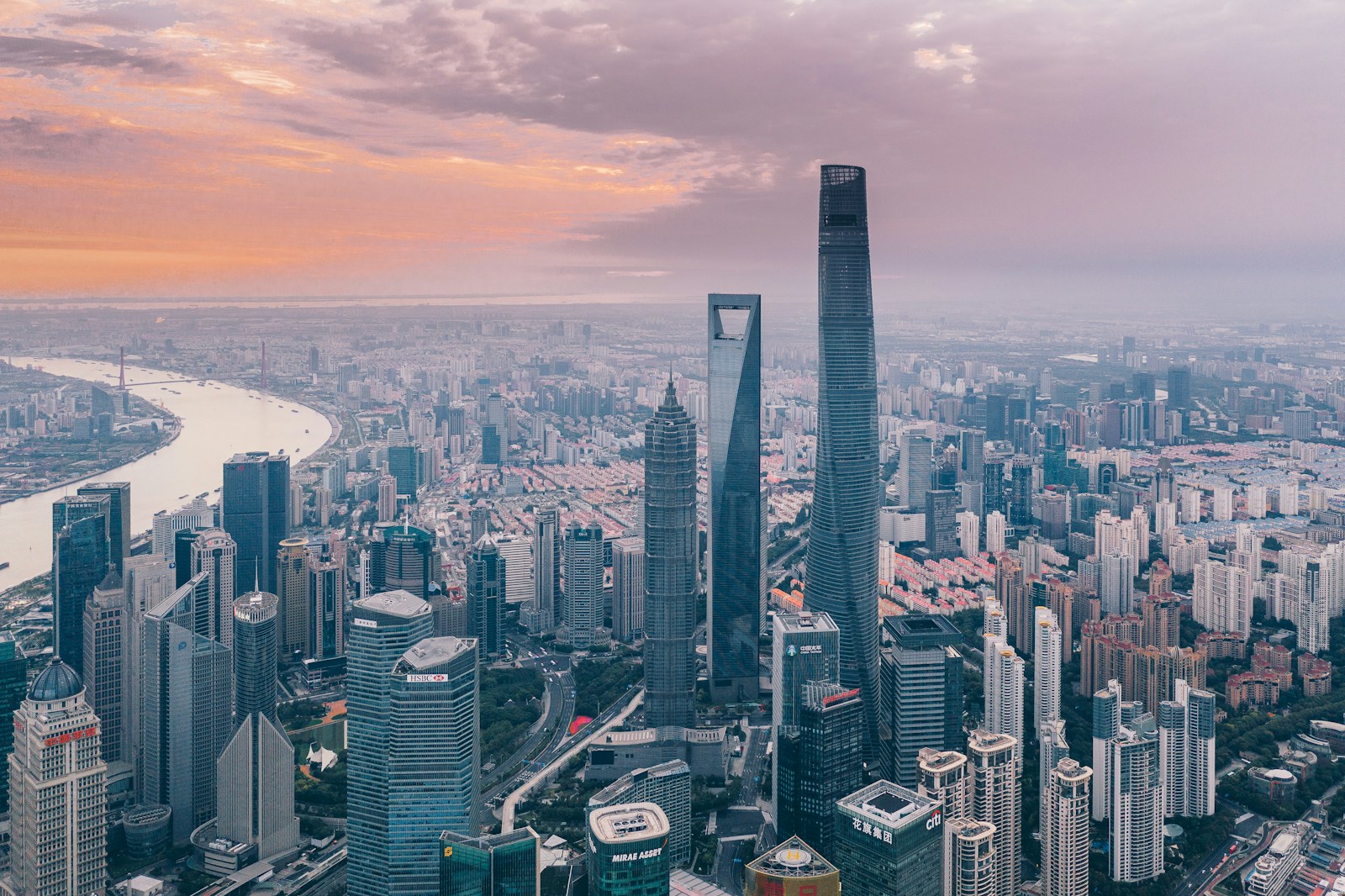
At 632 metres (2,073 feet), Shanghai Tower is the tallest building in China, and its most unusual feature is its shape. The tower turns a full 120 degrees from base to crown. The twist is functional: it disturbs the wind flowing around the building and cuts the force pressing on the structure by roughly a quarter.
5. Petronas Towers, Kuala Lumpur (452 m / 1,483 ft)
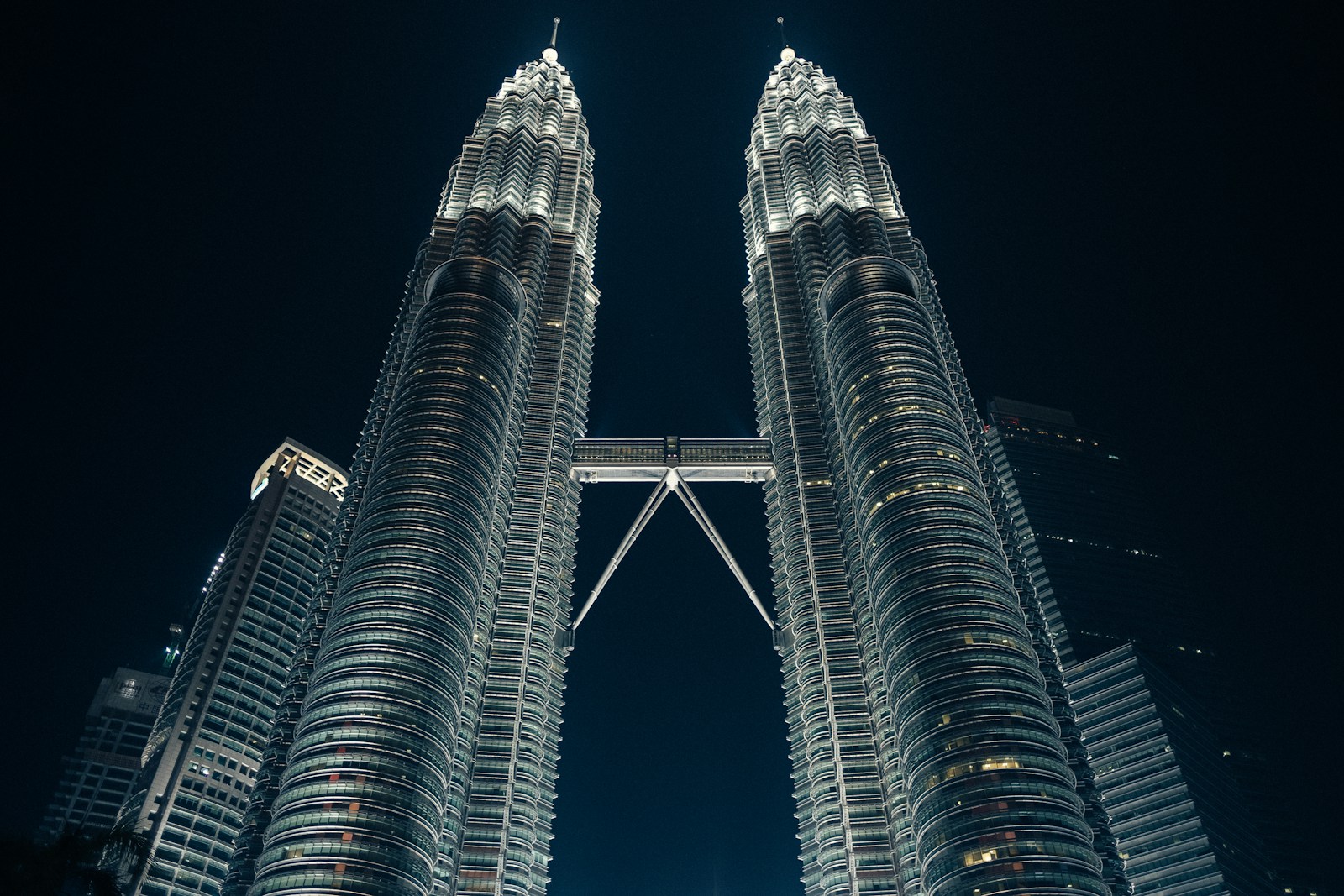
The Petronas Towers in Kuala Lumpur, Malaysia, climb 452 metres (1,483 feet) and were the tallest buildings on Earth from 1998 to 2004. Two separate construction teams worked on the twin towers at the same time, one for each tower, which turned the project into something of a race. A sky bridge joins the towers high above the street, so a visitor can walk from one skyscraper to the other.
4. Taipei 101, Taiwan (508 m / 1,667 ft)
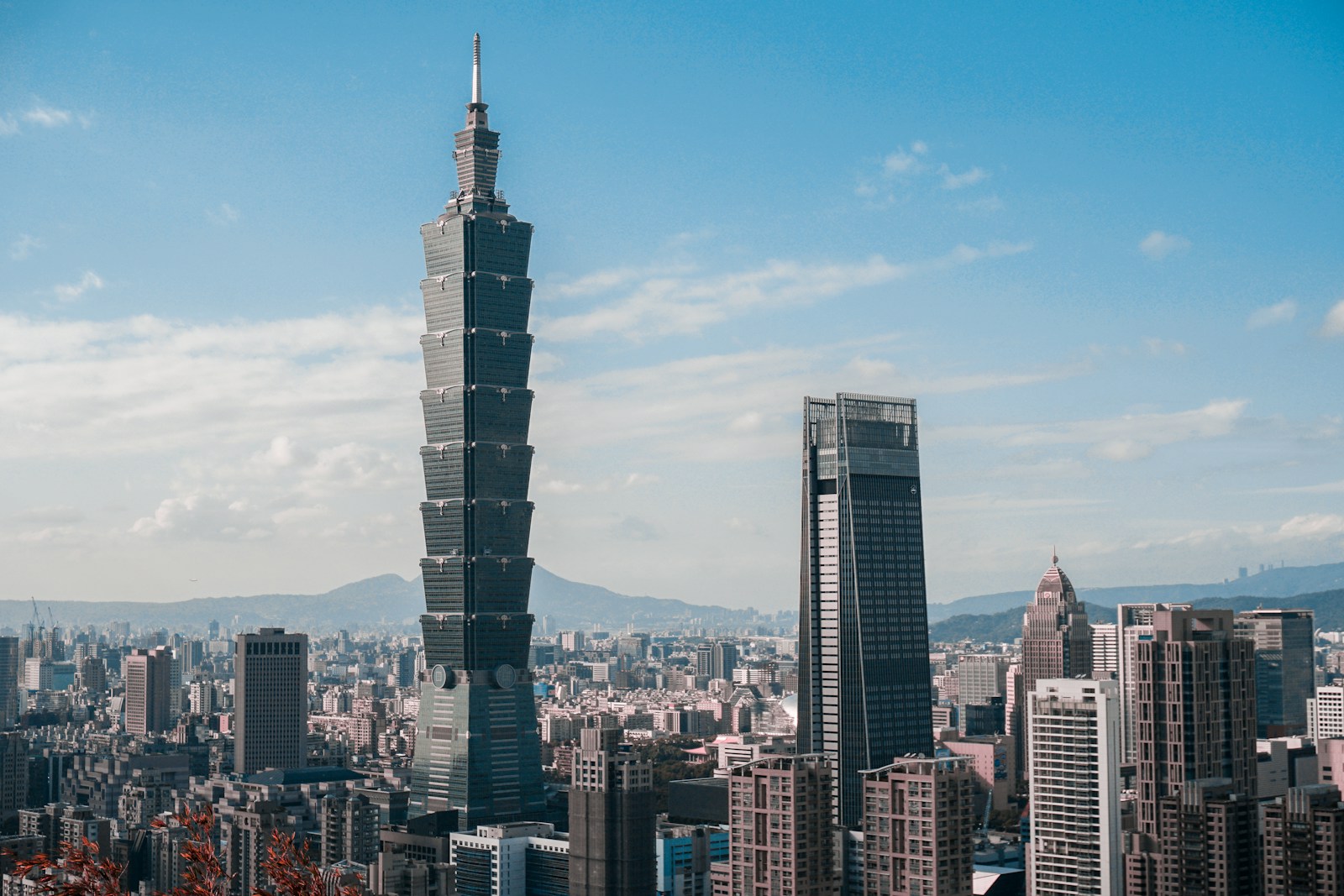
Taipei 101 stands 508 metres (1,667 feet) tall and was the tallest building in the world from 2004 to 2010. Taiwan is exposed to both typhoons and earthquakes, so engineers suspended a steel ball weighing 660 metric tons near the top of the tower. When the building sways in one direction, the ball swings the other way and cancels part of the motion. Engineers call this device a tuned mass damper, and it is a clear example of fighting motion with motion.
3. Willis Tower, Chicago (completed 1973)
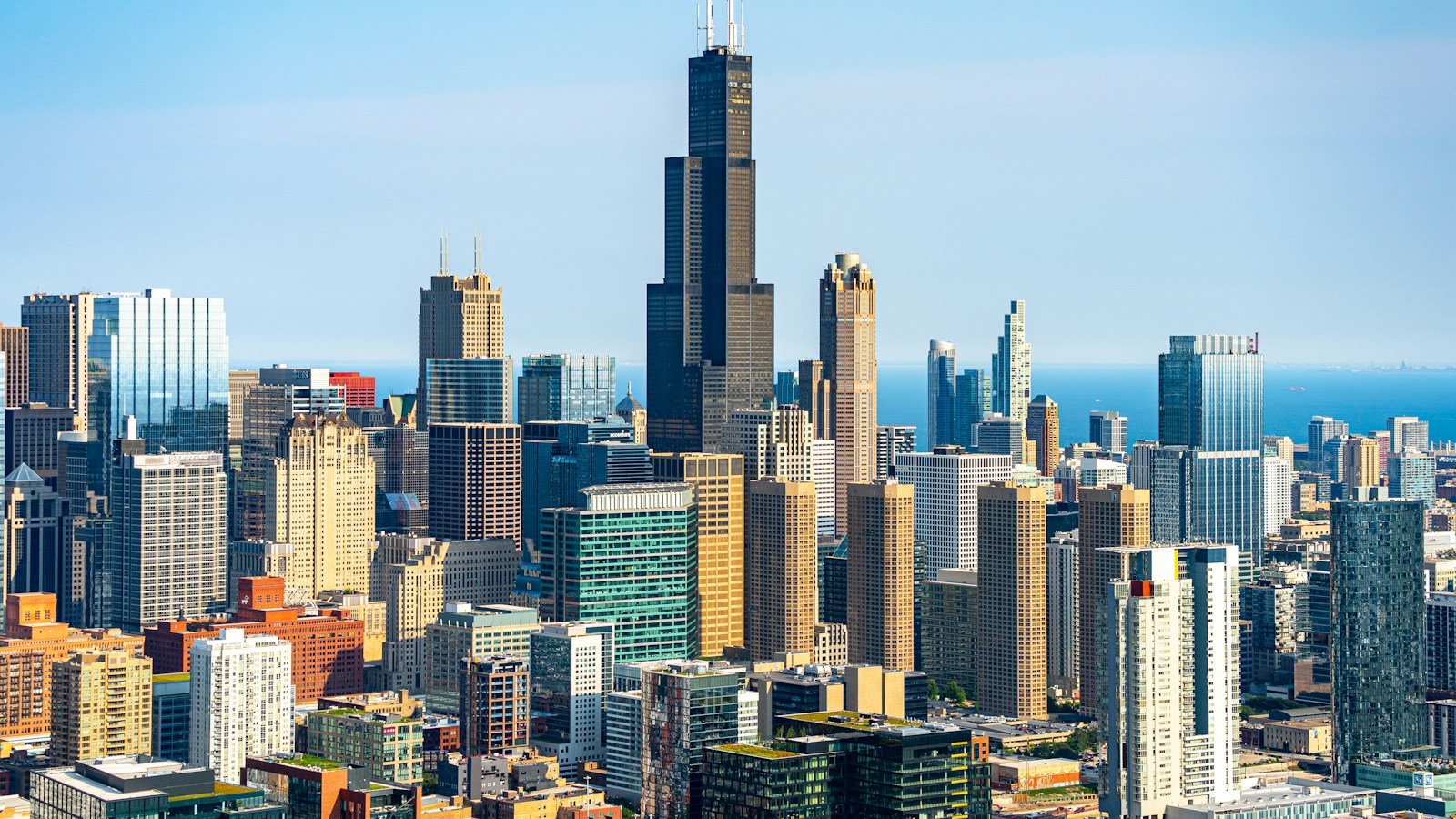
Finished in 1973, the Willis Tower in Chicago, in the U.S., held the title of tallest building in the world for almost 25 years, and many locals still call it by its original name, the Sears Tower. Engineer Fazlur Khan solved the problem of height by bundling nine square tubes together, much like a pack of straws, so that the tubes support one another and resist bending.
2. One World Trade Center, New York City (541 m / 1,776 ft)
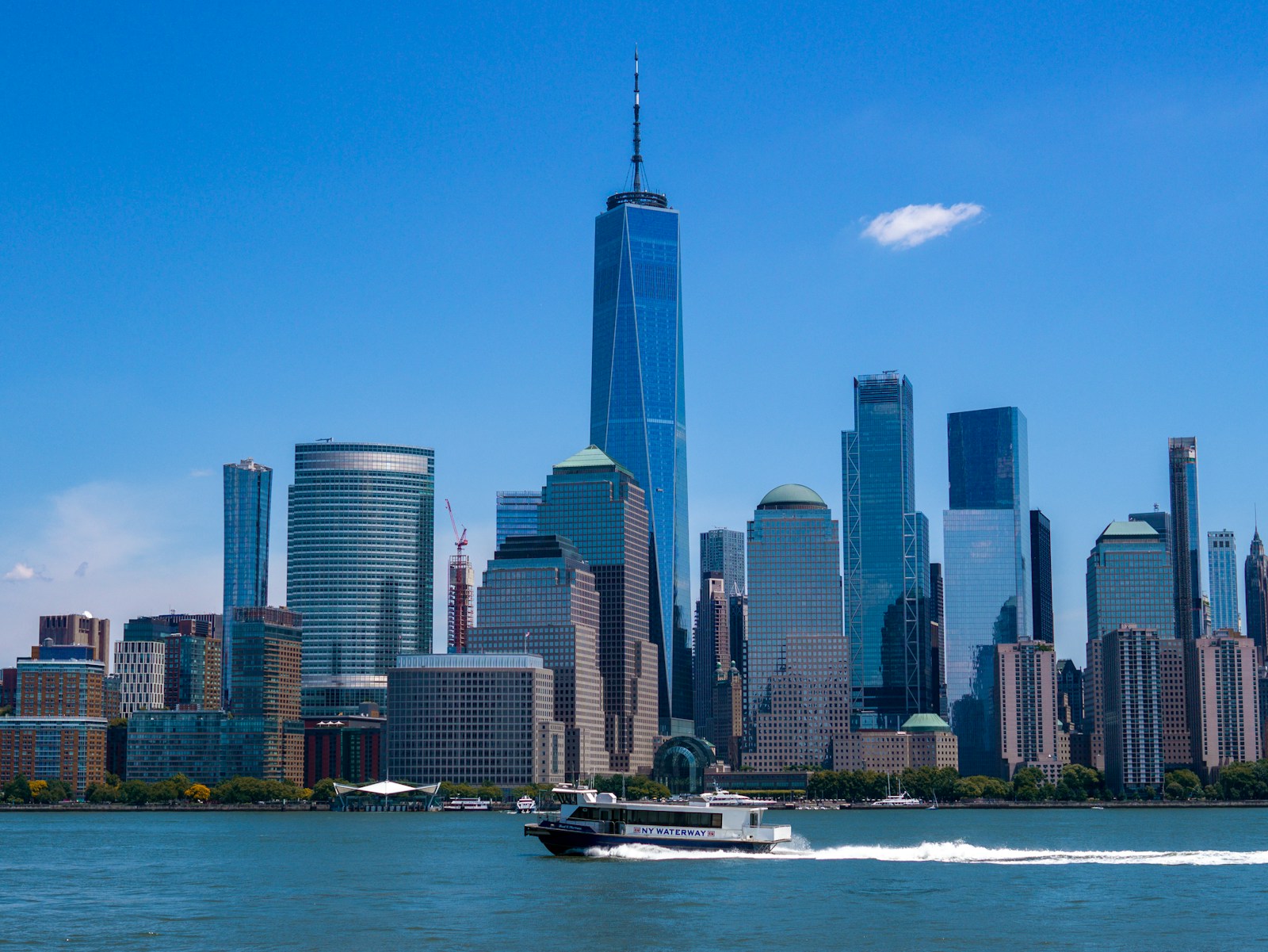
One World Trade Center reaches 1,776 feet (541 metres), which makes it the tallest building in the Western Hemisphere. It opened in 2014 on the site of the original World Trade Center.
1. Burj Khalifa, Dubai (828 m / 2,717 ft)
The Burj Khalifa in Dubai, in the United Arab Emirates, rises 828 metres (2,717 feet) and remains the tallest building ever built. Its floor plan is shaped like the letter Y, and each wing shields the others from the wind. That shape allowed the tower to keep climbing until it opened in 2010.
How tall buildings stand up to the wind
Taken together, these seven towers show three different ways of solving the same problem, which is keeping a very tall, very slim structure steady:
- Change the shape. Shanghai Tower’s twist and the Burj Khalifa’s Y-shaped plan both disturb the wind that flows around the building.
- Change the structure. The Willis Tower’s bundled tubes lean on one another, which helps the frame resist bending.
- Add a counterweight. Taipei 101’s steel ball moves against the swaying of the tower and cancels part of it.
Frequently asked questions
What is the tallest building in the world?
The Burj Khalifa in Dubai, at 828 metres (2,717 feet), is the tallest building ever built. Which are the tallest buildings in the world after it? The seven towers in this article are listed in the table above, with their heights in metres and feet.
Which skyscraper has a giant steel ball inside?
Taipei 101. The 660-metric-ton steel ball hangs near the top and swings against the movement of the tower to keep it steady.
What was the tallest building before the Burj Khalifa?
Taipei 101 held the title from 2004 to 2010, until the Burj Khalifa opened.
Why does Shanghai Tower twist?
The 120-degree twist disturbs the wind flowing around the building and cuts the force on the tower by roughly a quarter.
Who designed the Willis Tower’s bundled-tube structure?
Engineer Fazlur Khan, who bundled nine square tubes together so that they support one another.
For readers who like a message of hope and peace
Get the Hope t-shirt on Amazon
Get the Peace graphic t-shirt on Amazon


Leave a Reply