
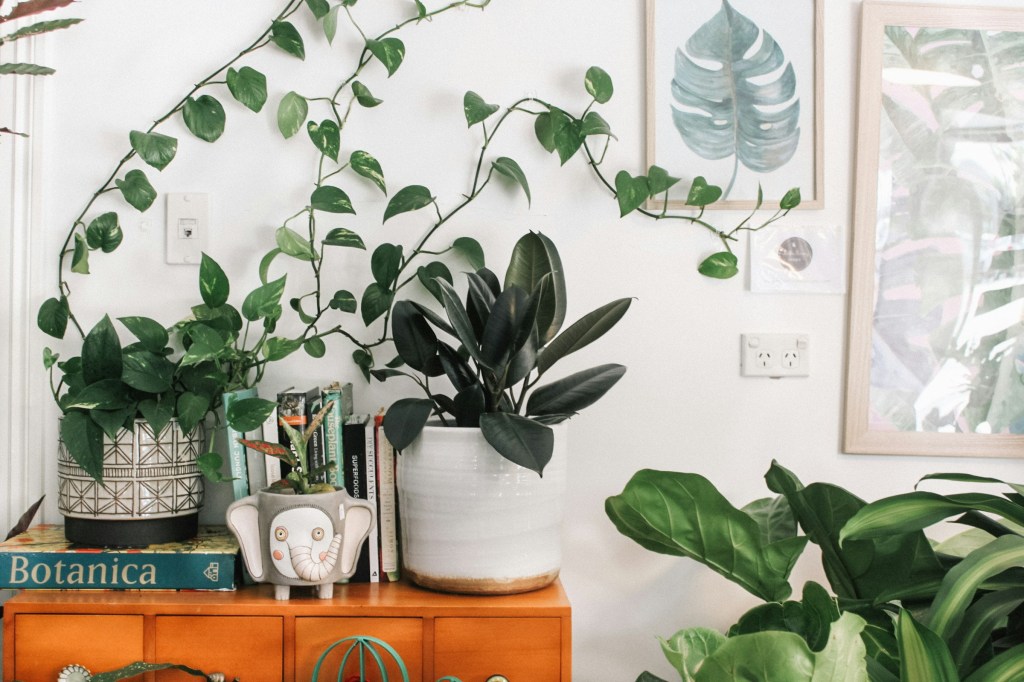
The best low light indoor plants are not magic. They are plants that evolved under forest canopies, where little direct sun ever reaches the ground, so they cope with the dim rooms that defeat most houseplants. Here are six that earn their place, ranked.
The short answer: no plant lives in total darkness, but the ZZ plant, snake plant, Chinese evergreen, pothos, parlor palm and peace lily all manage indoor plants without direct sunlight, provided the room has some daylight or a grow light.
This article accompanies our video on the same topic. Watch it below, then read on for the details and sources.
What “without sunlight” really means
Every plant needs light to make food. When people ask what indoor plants can grow without sunlight, they usually mean no direct sun and no bright window. Extension services at Mississippi State University and the University of Minnesota both describe light below roughly 50 foot-candles as too dim for foliage plants to stay healthy, and about 50 to 250 foot-candles as the low light range. A room where you can read comfortably in the daytime without a lamp usually falls inside it.
So the honest answer to can indoor plants survive without sunlight is yes for direct sun, no for light altogether. If a room has no window at all, a grow light fixes that (see the tip near the end).
The 6 best low light indoor plants, ranked
6. Peace lily
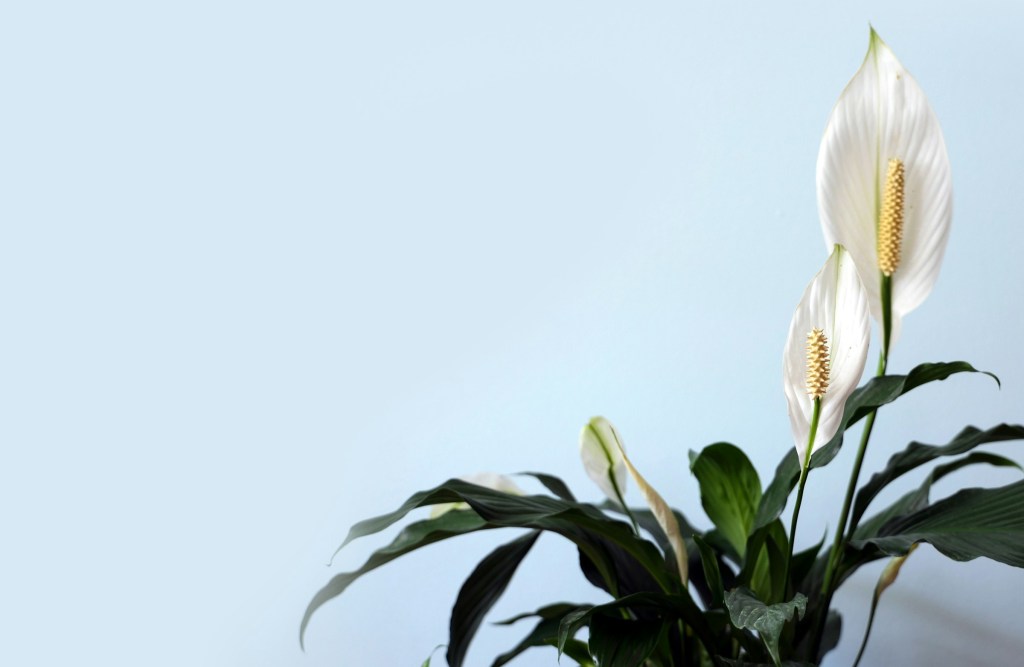
The peace lily is the rare low light plant that also flowers. Clemson Cooperative Extension and North Carolina State University both list it as tolerant of low light, though blooms are fewer than in brighter spots. It tells you when it is thirsty by drooping, then recovers after watering.
5. Parlor palm
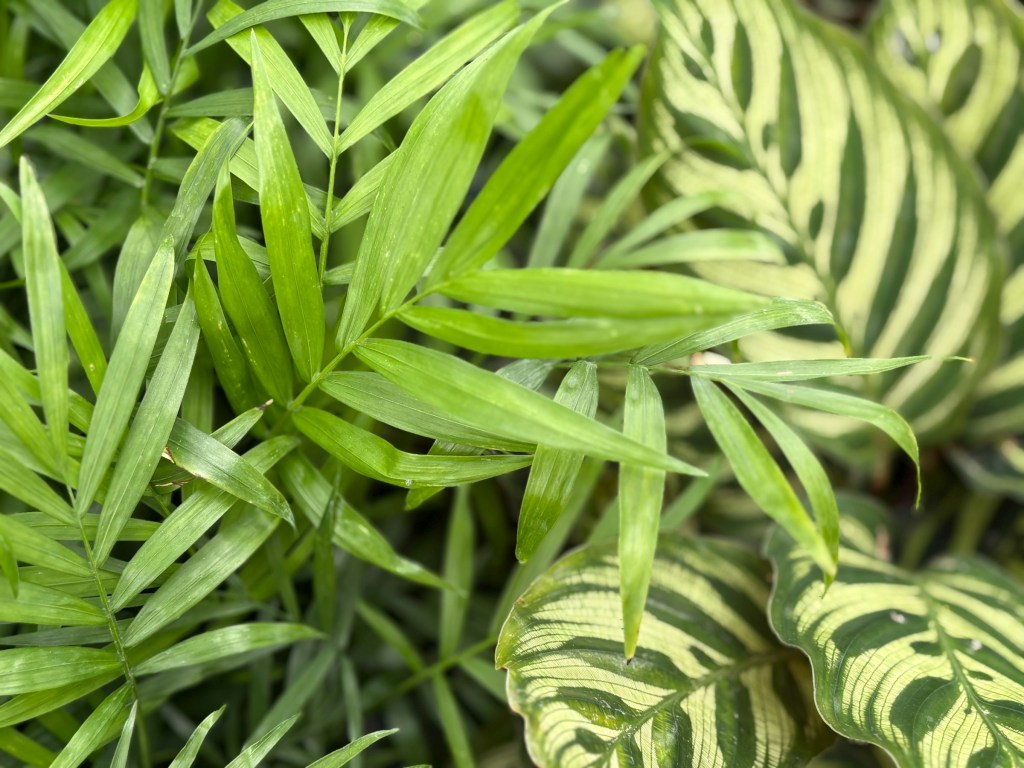
The parlor palm brings a soft, feathery look to a dim corner. It is also the only plant on this list listed as non-toxic to cats and dogs by the ASPCA, which makes it the pick for low light indoor plants safe for cats and low light indoor plants safe for dogs.
4. Pothos
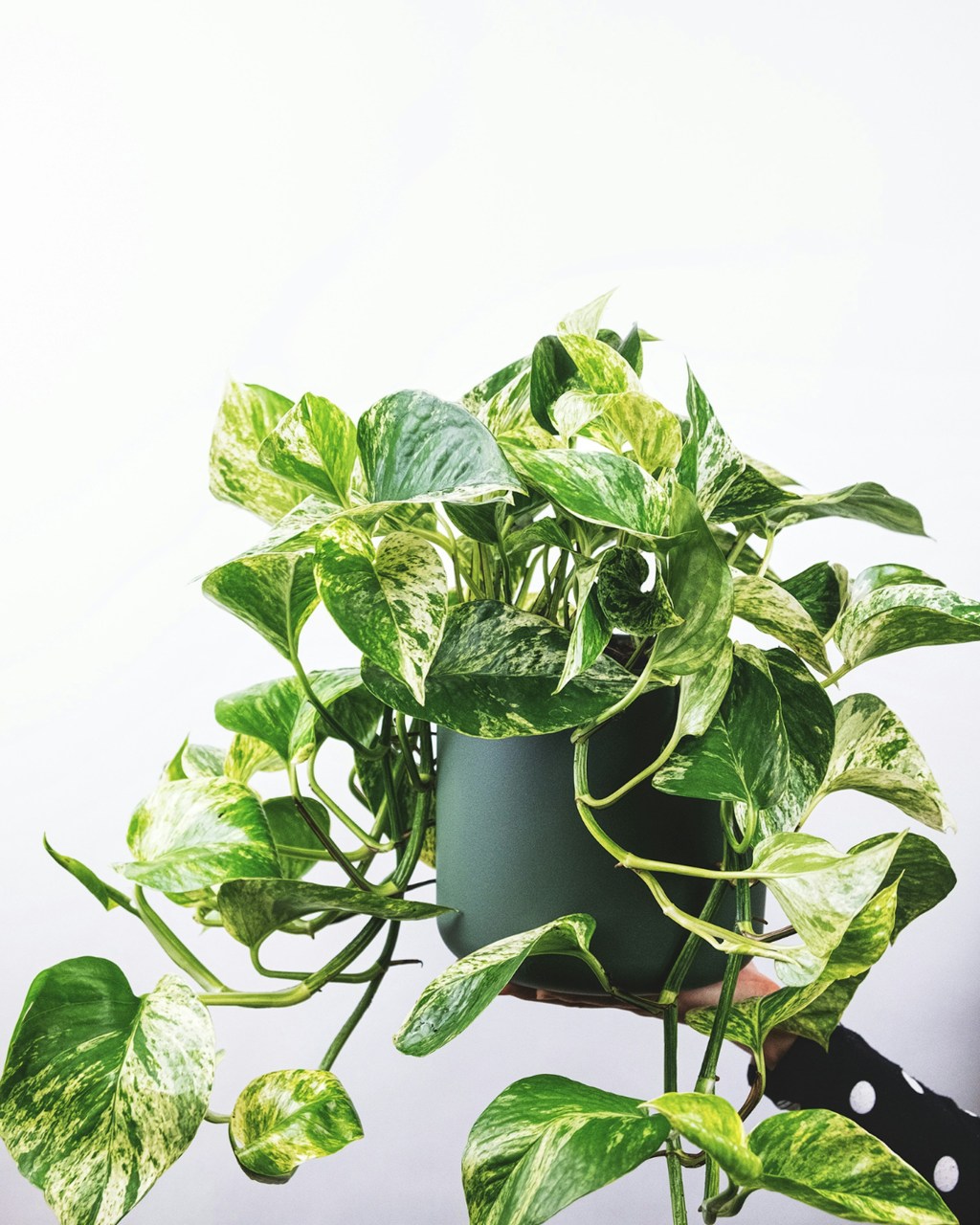
Pothos is a forgiving trailing vine that suits shelves and hanging pots. In very dim rooms the cream and yellow patterns on variegated types can fade toward plain green, and growth slows, but the plant itself carries on. Plain green varieties hold up best.
3. Chinese evergreen
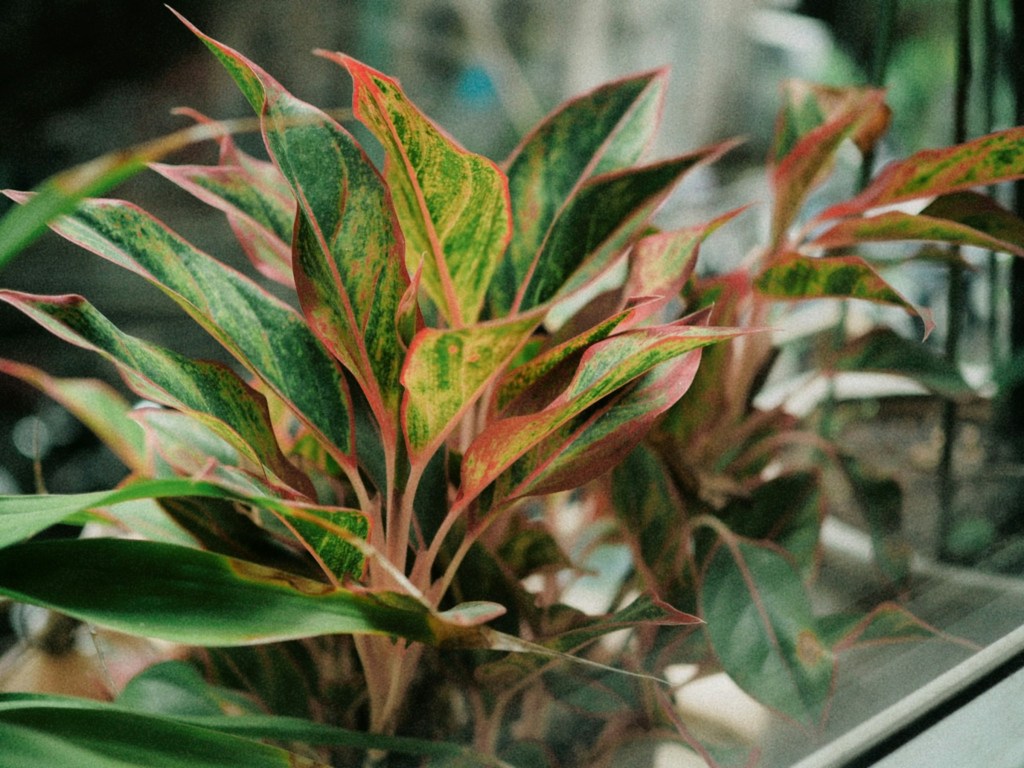
Chinese evergreen (Aglaonema) is prized for patterned leaves. The rule is simple: the darker green the leaves, the less light the plant needs. The silver, pink and red types want brighter spots, while solid green types handle the dimmest rooms. Clemson Cooperative Extension and the University of Minnesota Extension both give this guidance.
2. Snake plant
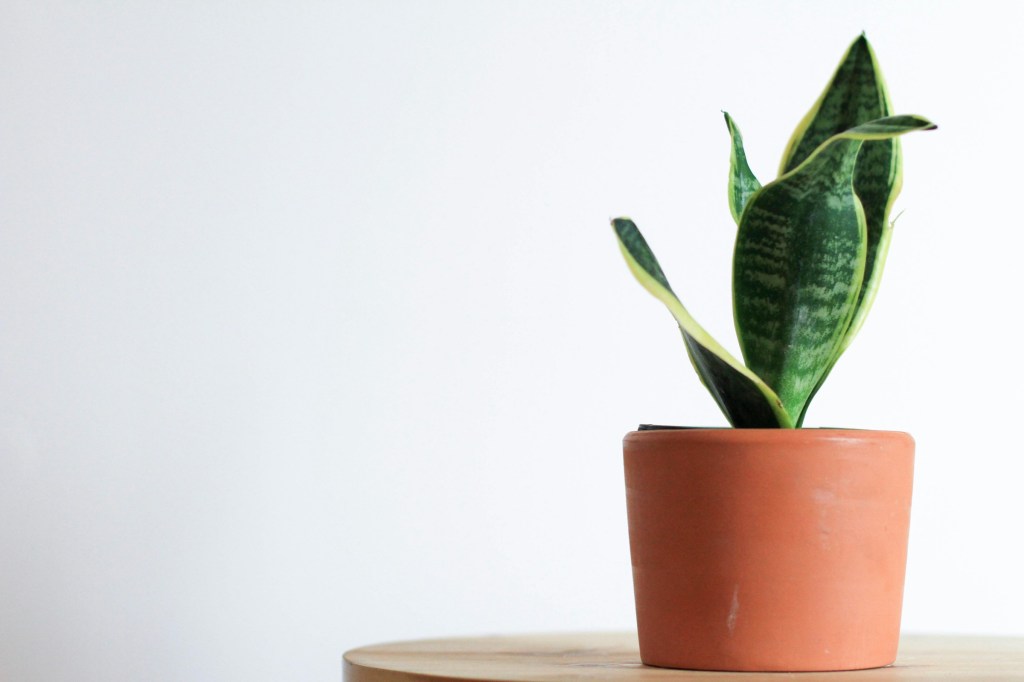
The snake plant is upright, architectural and hard to kill. It tolerates low light, and in dim rooms it needs far less water, so the usual cause of death is too much watering, not too little light. Let the soil dry out between waterings.
1. ZZ plant
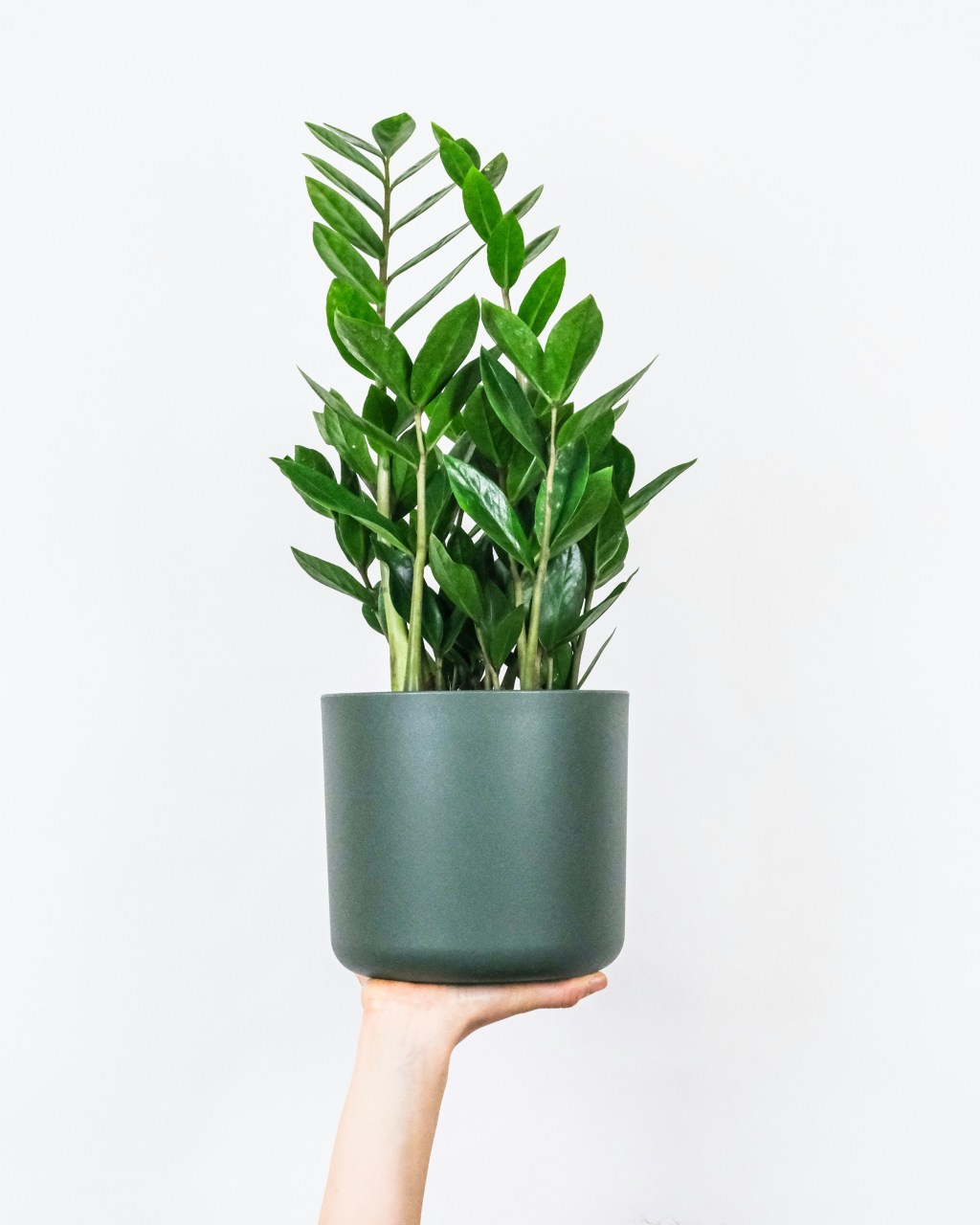
The ZZ plant (Zamioculcas zamiifolia) is native to eastern and southern Africa and stores water in thick underground stems called rhizomes, which is why it shrugs off neglect. In a published horticultural study, ZZ plants continued to produce new leaves at about 25 foot-candles, a light level well under what most houseplants can tolerate. That is why it takes the top spot among the very low light indoor plants.
Are these plants safe for cats and dogs?
Mostly no. According to the ASPCA, the parlor palm is the only plant of the six that is non-toxic to cats and dogs. The peace lily, pothos, Chinese evergreen, snake plant and ZZ plant are all listed as toxic to pets if chewed or eaten, usually causing mouth irritation, drooling or an upset stomach. The Pet Poison Helpline gives the same warning for the snake plant. If you share a home with pets, choose the parlor palm or keep the others out of reach.
Do low light plants really clean the air?
Not in any way you would notice. A 2019 review from Drexel University examined about a dozen studies and concluded that houseplants have little effect on indoor air in real homes. To match normal ventilation, you would need roughly 100 to 1,000 plants per square meter of floor. Choose these plants for how they look and feel, not as air purifiers.
There may be a small wellbeing benefit. In a 2015 study of 24 young men, transplanting an indoor plant for 15 minutes lowered a measure of stress compared with a computer task. It was a small study, so treat it as encouraging, not a promise.
Tip for a windowless or dark room
For a dark room low light indoor plants setup, add an LED grow light. Mississippi State and University of Minnesota extension guidance suggests running it 12 to 14 hours a day, about 1 to 3 feet (30 to 90 cm) from the plant, and putting it on a timer so the schedule never slips.
Frequently asked questions
Can indoor plants survive without sunlight?
They can survive without direct sunlight, but not without light. Even the toughest plant needs roughly 50 foot-candles or more, either from a window or a grow light.
What are the best low light indoor plants for a bedroom?
The snake plant and ZZ plant are the easiest, and the parlor palm is the safest if you have a cat or dog. All three cope with the dim light common in bedrooms.
What are the best low light indoor plants safe for cats and dogs?
Of the six here, only the parlor palm is listed as non-toxic by the ASPCA. Always check a plant on the ASPCA list before bringing it home.
Do low light plants need less water?
Yes. Plants in dim rooms grow slowly and use less water, so check the soil before watering and let it dry out between drinks.
The Hope & Peace Collection
Wear what you believe in
Two original designs, two words that say it all.
Related reading: Beautiful Indoor Plants: Most Beautiful Leaves. For more data-driven countdowns, subscribe to the Mr Global Rankss YouTube channel.
Sources
- Mississippi State University Extension, Publication P1012, light for indoor plants
- University of Minnesota Extension: Lighting for indoor plants
- Clemson Cooperative Extension: Peace lily
- Clemson Cooperative Extension: Chinese evergreen
- Clemson Cooperative Extension: Pet-safe indoor houseplants
- ASPCA: Parlor palm
- ASPCA: Snake plant
- Pet Poison Helpline: Sansevieria
- HortTechnology, research on ZZ plant (Zamioculcas zamiifolia) light tolerance
- Drexel University, 2019 review of houseplants and indoor air quality
- Lee et al., 2015, indoor plants and stress (PubMed)


Leave a Reply