
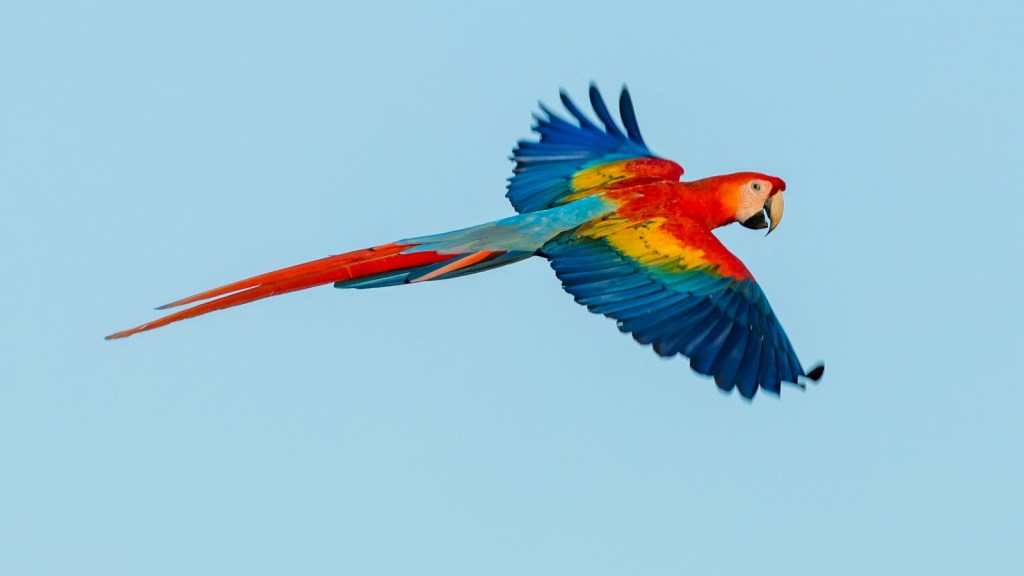
Clipping bird wings is one of the most debated choices in parrot care. Some owners see it as a simple safety measure. Others see it as taking away the one thing a bird is built to do. If you are wondering whether clipping a parrot’s wings is cruel, the honest answer is that it depends on how it is done and why, and that avian vets themselves do not agree.
This guide explains what clipping a parrot’s wings actually involves, what can go wrong, what the evidence says about safety, and what you can do instead. It follows our video on the same question.
The short answer: a light, correct clip is temporary and is not a mutilation, but a poor clip can cause real injuries and behavior problems, and there is no clear evidence that clipped birds are safer overall. For most owners, training and a bird-proofed home are the better first step.
Prefer to watch? Our full video on why you shouldn’t cut your parrot’s wings is below.
What clipping a parrot’s wings actually means
Wing clipping does not cut the wing itself. It trims the long flight feathers, usually the outer primary feathers, on both wings so the bird has less lift. Because feathers are replaced when a bird molts, a clip is temporary, and the feathers grow back. Veterinary guidance generally says both wings should be trimmed evenly, and that the work should be shown to an owner by a vet before they try it at home.
Why owners clip their parrots’ wings
The reasons are practical, and they are not unreasonable. Owners usually want to reduce the chance of:
- escaping through an open door or window
- flying into windows or mirrors
- landing on a hot stove or in hot liquids
- getting hurt by a spinning ceiling fan
Some vets also point out that a lightly clipped bird can be easier to take outside on a calm day, as long as a harness or carrier is used as backup.
Why flight matters to a parrot
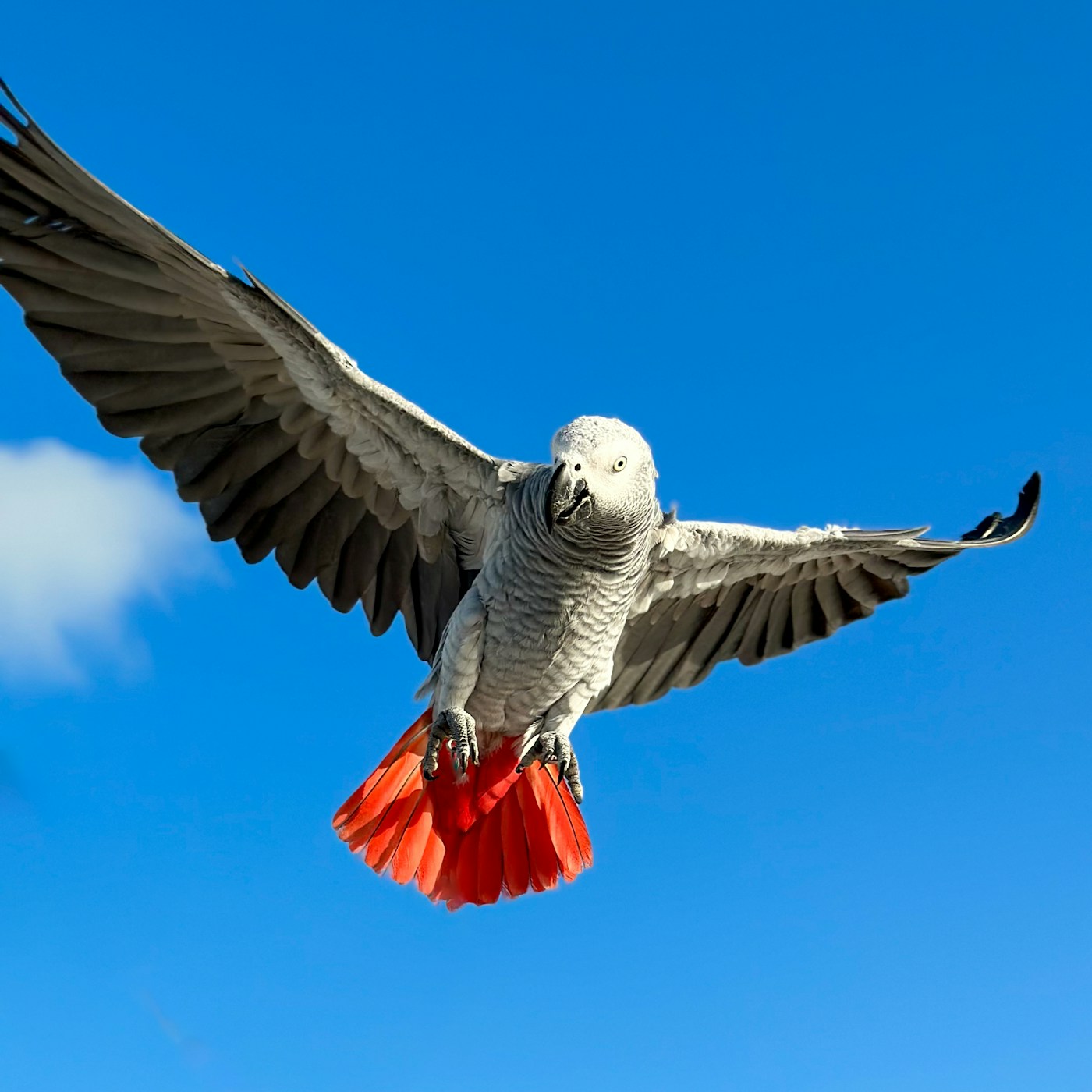
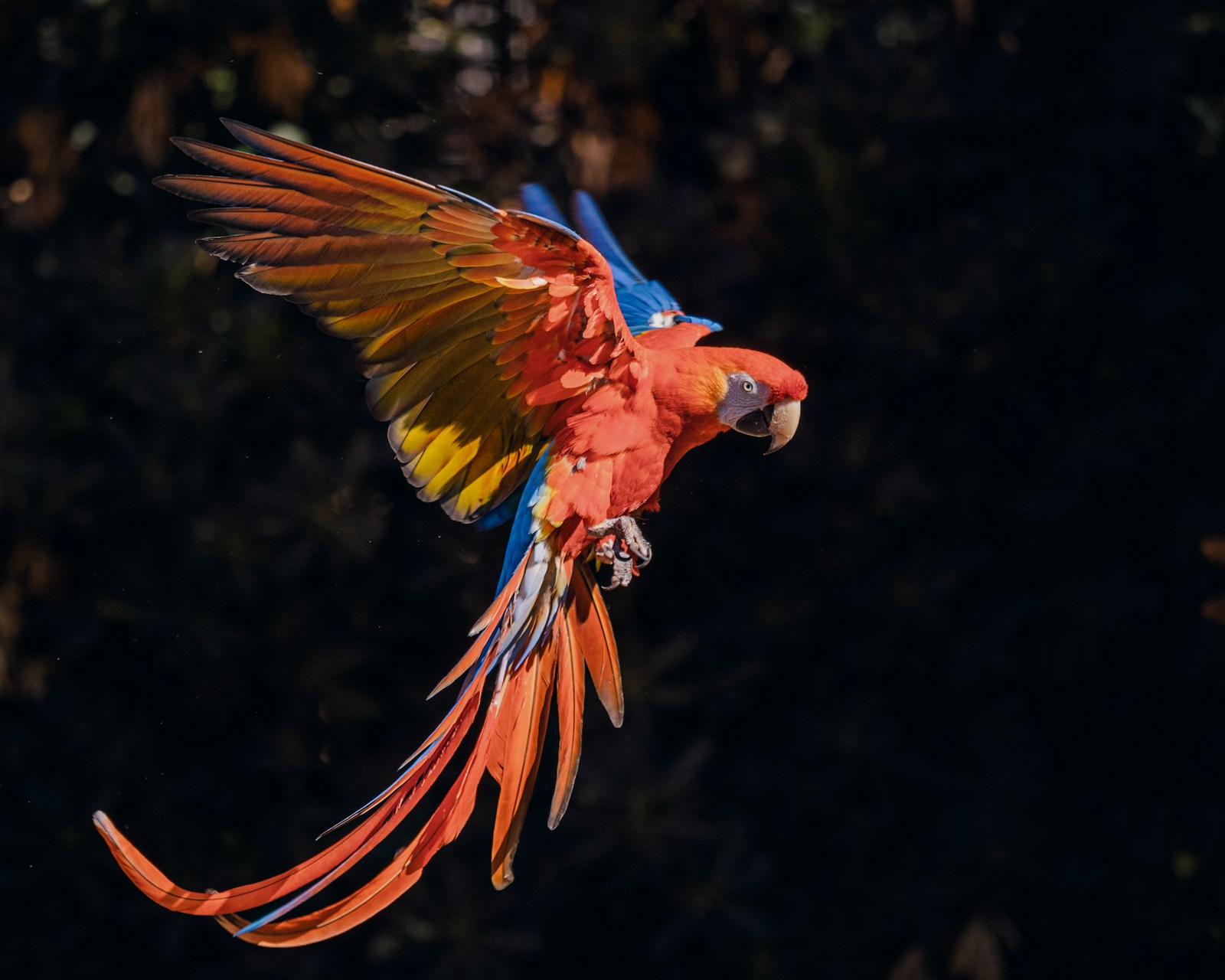
Parrots are built to fly, and flying is how they exercise, explore and move away from anything that frightens them. Vets from several clinics note that birds are healthiest when they are able to fly, and that flight gives them exercise and a way to forage and burn energy. Taking that away, even temporarily, is a real trade-off and not a neutral choice.
The risks of clipping bird wings
Most of the harm comes from clips that are too severe or uneven. A bird with clipped wings can lose its ability to brake and steer, so instead of landing gently it may drop quickly.
Crash landings and fractures
A poorly trimmed bird can fall hard and injure its legs, wings or keel, the breastbone that anchors the flight muscles. Two veterinary clinics warn that even a correct clip carries some risk of a hard landing or keel injury, and that a badly done clip is the more dangerous one.
Blood feathers
New feathers that are still growing have a blood supply. When a bird has clipped wings, these growing feathers can lose the protection of their neighbors, and if one is cut or snapped it can bleed heavily. This is one reason vets advise against home clipping without training.
Feather picking
Cut feathers can leave sharp or frayed edges that irritate the skin. Several veterinary sources link a rough clip to feather picking, a habit that may continue even after the feathers have grown back.
Does clipping make a parrot safer?
Not as clearly as many owners assume. A clipped bird can still flap, glide and climb, and even a few new feathers can restore a surprising amount of lift. Strong wind outdoors can still carry a clipped bird away, which is why a harness or carrier matters whatever the state of the wings. A review of the evidence also notes that there is no proof clipped birds are safer overall, only that they tend to have different kinds of accidents.
Is clipping bird wings cruel?
Veterinary opinion is divided. Some avian vets recommend an appropriate light clip in certain homes, while others advise against clipping at all and favor training instead. What most sources agree on is that a poor clip is worse than none, that the decision should be made with an avian vet for your particular bird, and that clipping should never replace supervision.
Safer alternatives to clipping
- Teach your bird to come when called. Recall training lets a flighted bird return to you on cue.
- Use an outdoor harness or carrier for every trip outside.
- Bird-proof the home: switch ceiling fans off, cover or mark windows and mirrors, and keep birds away from hot stoves and open doors.
- Talk to an avian vet about your bird’s species, age, health and living space before you decide.
Frequently asked questions
Do clipped bird wings grow back?
Yes. Clipping is temporary because the trimmed feathers are replaced at the next molt, and new feathers grow in over time. How long that takes varies by bird, and vets often suggest rechecking the clip every one to three months after a molt starts.
Can you clip a parrot’s wings at home?
Vets advise that it should be done by a professional. Some say an owner may do it only after a vet has demonstrated the technique, because of the risk of cutting a blood feather or trimming unevenly.
Will a clipped parrot still fly?
Often it can still glide or gain lift, especially in wind or after a few feathers grow back. A clip reduces lift but does not remove it, so a clipped bird still needs a harness outdoors.
Should I clip my parrot’s wings?
There is no single right answer. Weigh the risks above, try training and bird-proofing first, and ask an avian vet who knows your bird.
Do clipped birds fall or crash?
They can. A clipped bird loses some braking and steering, and a clip that is too short or uneven is the main cause of hard landings and injuries.
The Hope & Peace Collection
Wear what you believe in
Two original designs, two words that say it all.
Related reading: The rarest birds in the world. Enjoyed this? Subscribe to Mr Global Rankss on YouTube for more animal facts and countdowns.


Leave a Reply