
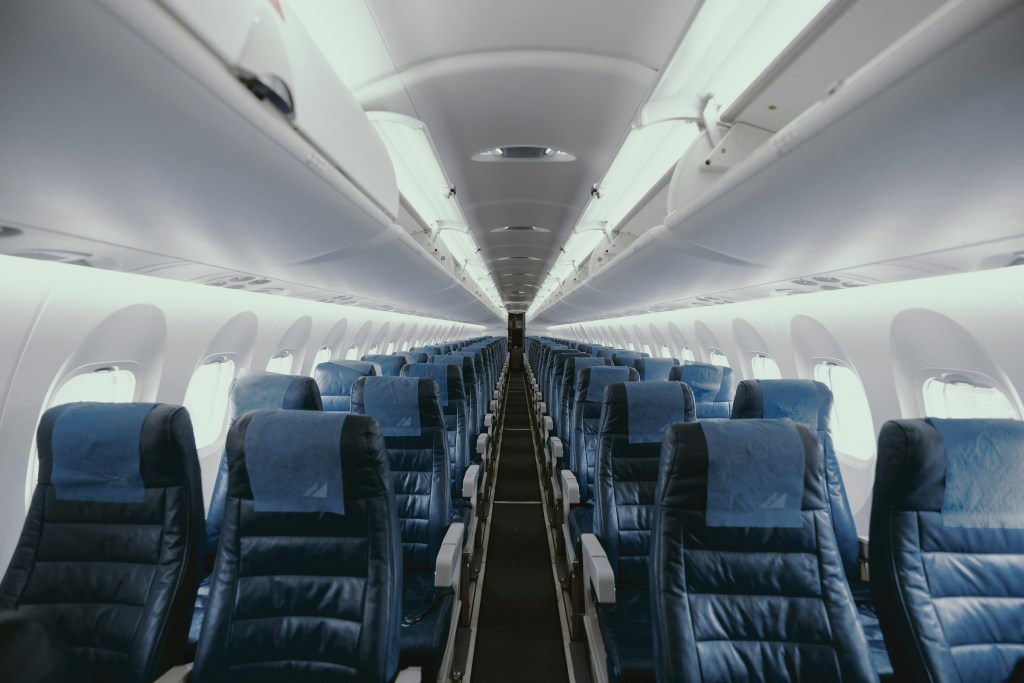
Why do major airlines fly completely empty ghost planes between U.S. airports? In most cases the answer has nothing to do with mystery and a great deal to do with rules, repairs and weather. Ghost planes, also called ghost flights or empty flights, are scheduled airline flights that carry no paying passengers. They are rare, they are expensive for the airline, and each one usually exists for a specific reason. This guide explains the three main reasons, what the airport slot rule really requires, and what is known about how often empty flights happen.
What are ghost planes and ghost flights?
A ghost flight is a flight that takes off with no passengers on board. The aircraft is not abandoned and it is not flying itself: the pilots and other crew members are on board, and the only thing missing is the paying customers. The phrase “ghost plane” is also used in news stories about unrelated incidents, but this article covers only the empty airline flights that run between airports on purpose.
Why do airlines fly empty flights between U.S. airports?
There are three common reasons. The first is an airport slot rule that rewards airlines for flying their scheduled times, even when few people want to travel. The second is a ferry flight, which moves an aircraft with no passengers to a place where it needs to be for maintenance or delivery. The third is weather, when airlines move planes out of the path of a storm or back into position afterward.
Reason 1: What is the airport slot rule?
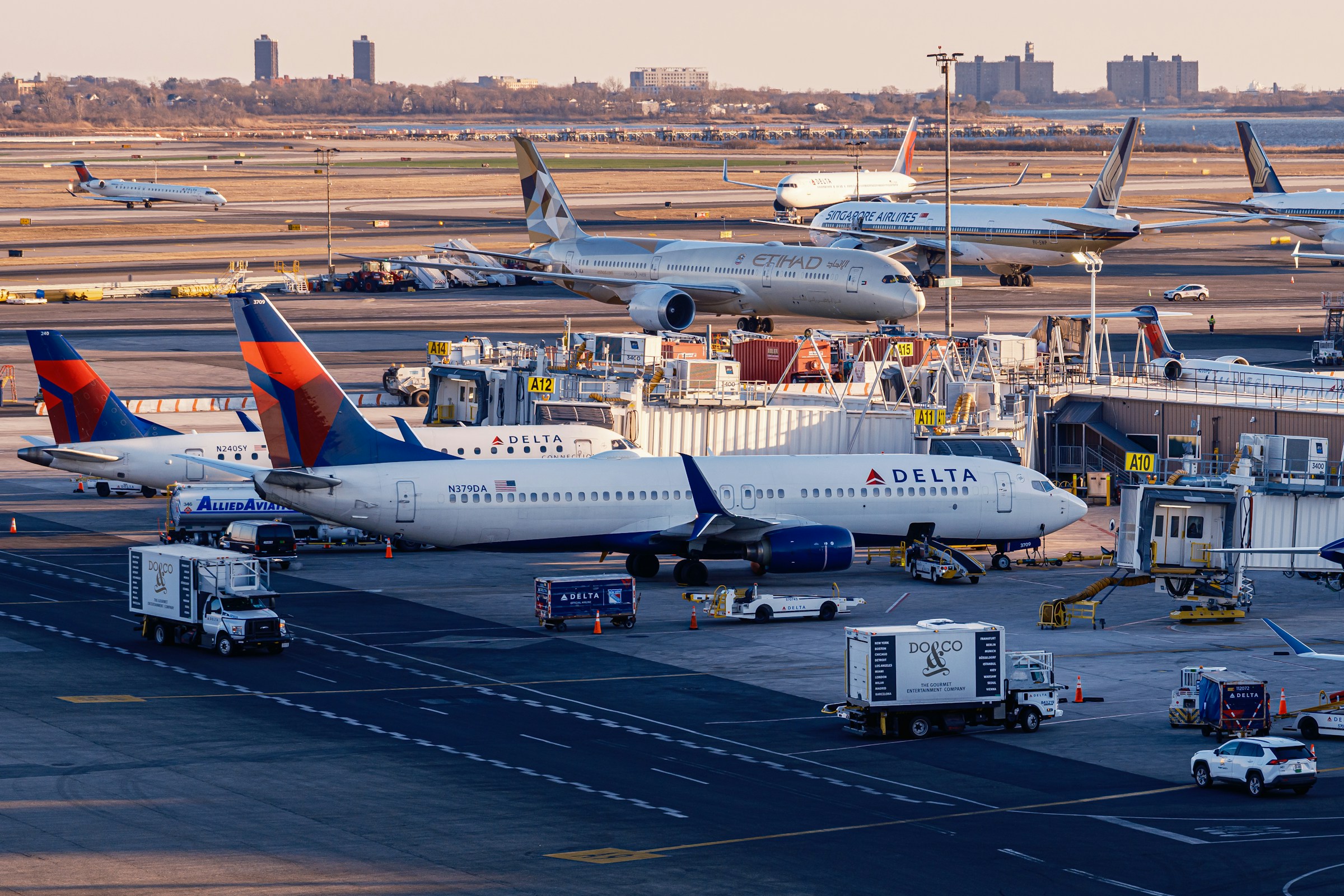
At the busiest U.S. airports, a takeoff or landing time is called a slot, and it works like a permission slip for a specific time of day. The Federal Aviation Administration manages slots at New York’s John F. Kennedy International Airport (JFK), New York’s LaGuardia Airport (LGA) and Ronald Reagan Washington National Airport (DCA). Under the standard “use it or lose it” rule, an airline must use at least 80% of its slots, or it risks losing them to a competitor.
Slots are valuable because these airports have little room for new flights. An airline that gives up a slot may never get it back, so it can be cheaper to fly a nearly empty plane than to lose the right to fly at a prime time. That is the logic behind many of the ghost flights that people notice.
Did the FAA ever suspend the slot rule?
Yes. In March 2020, when passenger demand collapsed, some airlines, mostly in Europe, kept flying nearly empty planes to protect their slots. United’s president called the situation “crazy,” and on March 11, 2020 the FAA suspended the requirement so that airlines could cancel flights without losing their slots.
The rule has not gone away. Because of air traffic controller shortages, the FAA now lets airlines hand back up to 10% of their New York and Washington slots without penalty, and that relief runs through October 30, 2027. In practice, this gives airlines room to cancel some flights instead of flying them empty.
Reason 2: What is a ferry flight?
A ferry flight moves an aircraft with no passengers, and only the crew on board. Airlines use ferry flights to take a plane to a hangar for repairs, to deliver a new aircraft from the factory to its owner, or to recover a plane that broke down in another city. A plane in need of repair usually cannot carry paying customers, so the empty flight is the only practical way to get it to the shop.
Reason 3: Why do airlines move empty planes because of weather?
Storms can make it safer to move an aircraft than to leave it parked. Before Hurricane Michael in 2018, Delta flew planes out of Tallahassee, Pensacola, Panama City and Destin to Atlanta. Before Hurricane Irma in 2017, American Airlines said that strong winds could lift empty parked jets, so planes were flown away from south Florida.
Getting planes back is its own challenge. After the January 2015 blizzard in the Northeast, some JetBlue aircraft sat in Fort Lauderdale until they could return north, and crew duty and rest rules also limit how quickly pilots can fly a plane back to where it belongs. Those repositioning flights often carry few or no passengers.
How many ghost flights are there?
We could not find a reliable official count for the United States, so we do not quote one. The best documented example comes from the United Kingdom, where an analysis of Civil Aviation Authority data reported in September 2022 found more than 5,000 flights with zero passengers since 2019. Totals vary by country and by how an empty flight is defined, which is why numbers you see online often disagree.
Frequently asked questions
Are ghost planes real?
Yes. Ghost flights are real airline flights that carry no passengers, but they have ordinary explanations such as slot rules, ferry flights and weather.
What is a ghost flight?
A ghost flight is a scheduled flight that operates with no paying passengers on board. The pilots and the rest of the crew are on the aircraft.
Why do airlines keep flying empty planes instead of canceling them?
At the busiest airports, an airline that uses fewer than 80% of its slots risks losing them. Canceling too many flights can cost an airline a valuable time that is hard to win back.
Can passengers book a ghost flight?
Generally no. A ferry or repositioning flight is not sold to the public, and a plane that needs repairs usually cannot carry paying customers.
If you enjoy explainers like this, browse more in our Travel and Facts sections and subscribe to Mr Global Rankss on YouTube for more science, history and rankings.
Related reading: Why highway exit ramps are shaped like a cloverleaf and how traffic lights detect motorcycles at a left turn lane.
Original T-Shirt Designs
Wear what you believe in
Two original designs, each built on a single word of hope and peace.
Sources
- PBS NewsHour: FAA waives rules that led airlines to fly empty planes
- The Points Guy: FAA suspends airport slot restrictions
- AirlineGeeks: Ghost flights and slot protection
- Federal Register, July 25, 2025: slot usage relief notice
- Federal Register 2026-12593: FAA staffing relief through 2027 (summary)
- Flightworx: What is a ferry flight?
- Aerocorner: Ferry flights and positioning flights
- Atlanta Journal-Constitution: Delta relocates planes ahead of Hurricane Michael
- WMAR: Florida air travel shuts down ahead of Hurricane Irma
- CBS News: Why airlines take so long to recover after snowstorms
- Time Out: 5,000 ghost flights in British airspace since 2019
- SlashGear: Do airlines really fly empty ghost flights just to hold slots?


Leave a Reply