
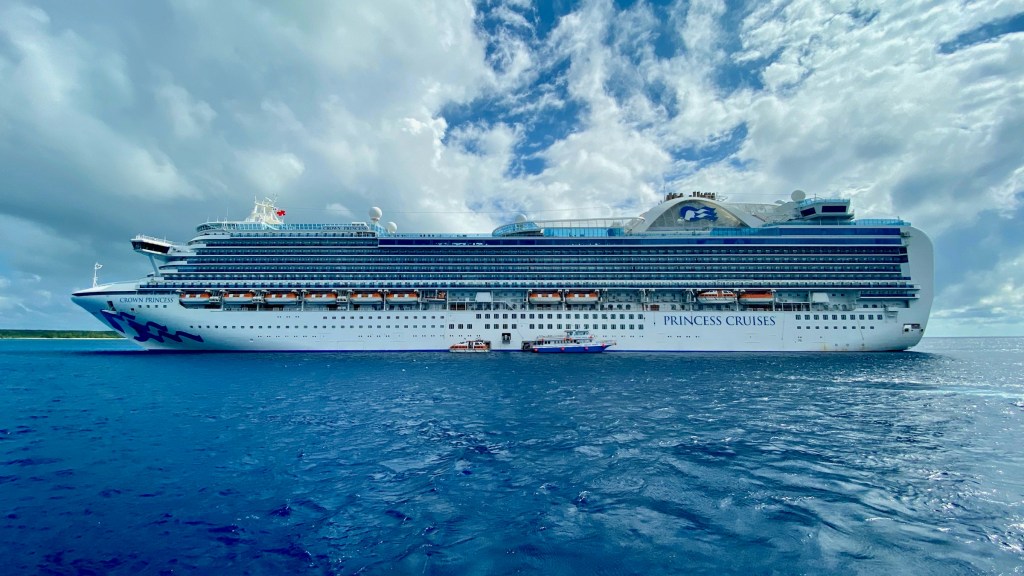
What happens to unsold cruise ship food at the end of a voyage? The short answer is that it is not simply thrown overboard. Cruise ship food is loaded in port for the whole trip, a ship cannot restock in the middle of the ocean, and so some food is always left over. Modern ships deal with it in layers: they prepare less to begin with, break down what remains on board, dry the toughest scraps, and in some ports donate prepared meals. This guide explains each step, what the rules say about cruise ship food waste at sea, and where the numbers come from.
Why is there so much cruise ship food to deal with?
One of the largest cruise ships in the world can carry up to 7,600 passengers, and its food for a seven-day trip, more than 130,000 pounds, is loaded while the ship is in port. Because a ship cannot restock at sea, the kitchens must order generously, and generous ordering is a recipe for waste. That is why cruise lines treat leftover food as an engineering problem as much as a kitchen problem.
What do cruise ships do with leftover food? The four answers
There is no single destination for leftover cruise ship food. The four main answers, in the order a ship uses them, are to make less leftover food, to break down what is left, to dry the toughest waste, and to hand out meals that were never served.
Step 1: Prepare less food in the first place
The best way to handle leftover food is to prepare less of it. Royal Caribbean set a goal in 2021 to cut its food waste in half by 2025, and its chefs use software that forecasts demand from the passenger mix, the route and even the weather. Carnival Corporation reports a larger result across its brands: 44% less food waste in 2024 than in 2019. That figure comes from the company itself, and an independent travel magazine described the reduction as “more than 40%,” so it is best read as a company-reported result.
Step 2: What is a biodigester, and why do cruise ships use them?
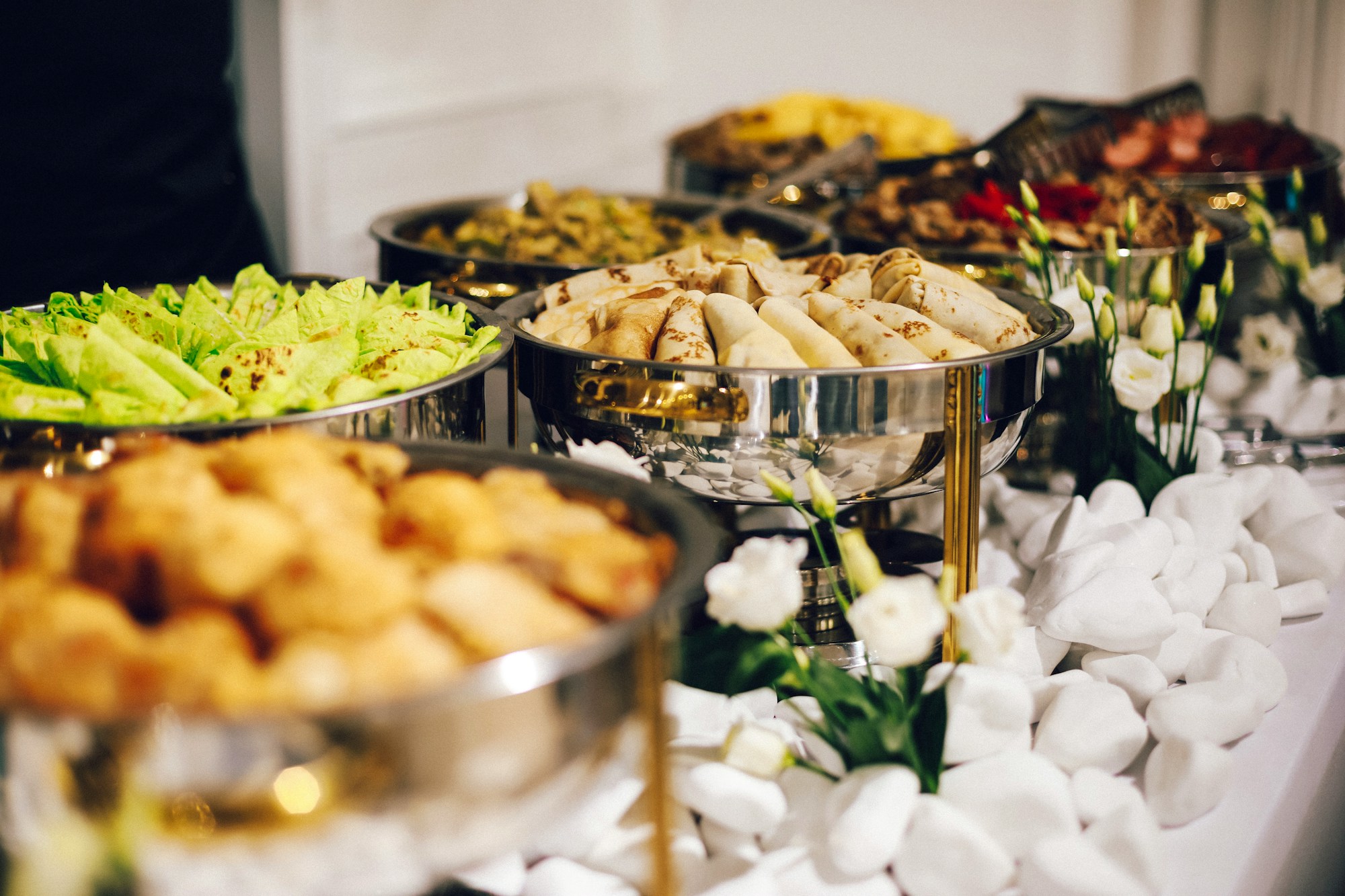
A biodigester is a machine that breaks food waste down using bacteria, oxygen and warm water. On many ships it is the first stop for the food that is left over. Carnival Corporation says it had installed 630 biodigesters across its brands by the end of 2024. Once the food has been processed, what happens next depends on the ship and on the international rules described below.
Step 3: How do dehydrators and pellets deal with the toughest waste?
Tougher items such as bones, fats, and fruit and vegetable skins are handled differently. Carnival Corporation has added dehydrators that remove the water and leave a dry material that resembles coffee grounds. The company says dehydration can cut that kind of waste by up to 90%, and the dry material is much easier to carry ashore.
One other approach is to turn food waste into energy. On at least one giant ship, food waste is made into pellets, which are burned together with cardboard and other waste to make steam that helps power the ship’s water park.
Step 4: Do cruise lines donate unserved food?
Some do. In 2017, Costa Cruises began donating unserved prepared meals from its ships to a charitable foundation in Savona, Italy. The partners spent eight months planning the program, which relied on an Italian law passed in 2016 that supports donating surplus food. The program has since grown to additional ports.
Do cruise ships dump food waste in the ocean?
Sometimes, but only within strict limits. Under MARPOL Annex V, the international treaty on garbage from ships, food waste may be discharged at sea only while the ship is under way and as far from land as practicable. Outside the treaty’s special areas, food waste that has been ground to pieces smaller than 25 millimeters (about 1 inch) may be discharged no closer than 3 nautical miles from the nearest land, and food waste that has not been ground may be discharged no closer than 12 nautical miles.
The rules are stricter in the special areas, which include the Mediterranean, Baltic, Black and Red Seas, the Gulfs area, the North Sea, the Antarctic area and the wider Caribbean. There, ground food waste may be discharged no closer than 12 nautical miles from land, and food waste that has not been ground may not be discharged at all. United States regulations follow the same distances.
Where does cruise ship food waste go in U.S. ports?
Under U.S. Department of Agriculture rules, garbage from a ship that has called at a port outside the United States and Canada within the past two years counts as regulated garbage. That includes food scraps and galley waste. While the ship is in U.S. waters, the garbage must be kept in sealed, leak-proof containers, and it may go only to approved facilities for incineration, sterilization, or grinding into an approved sewage system. In short, what happens to cruise ship food waste depends on the ship, the port and the rules that apply there.
How much food do cruise ships waste?
We could not find a reliable industry-wide figure for how much food cruise ships waste, so we do not quote one. What can be documented is the scale of the supply, more than 130,000 pounds of food for a seven-day trip on one of the biggest ships, and the direction of change, with the largest cruise company reporting a 44% reduction in food waste between 2019 and 2024. Numbers you see online often disagree because companies measure and report waste in different ways.
Frequently asked questions
What happens to cruise ship food waste?
Ships first try to create less of it. What remains is broken down in biodigesters, dried in dehydrators, turned into energy on at least one ship, or landed ashore at approved facilities, and in some ports unserved prepared meals are donated.
Where does cruise ship food waste go?
It depends on the ship, the port and the rules at that location. Processed food waste may be discharged at sea only beyond the distances set by MARPOL Annex V, and in U.S. waters regulated garbage must go to approved facilities.
Do cruise ships throw away leftover food?
Not all of it. Cruise lines work to reduce leftovers, and some donate unserved prepared meals. The scraps that remain are processed and disposed of under maritime rules.
Is the 44% reduction an independent figure?
No. It is the company’s own figure, reported by Carnival Corporation and repeated by cruise industry outlets, which is why this article describes it as company-reported.
If you enjoy explainers like this, browse more in our Travel and Facts sections and subscribe to Mr Global Rankss on YouTube for more science, history and rankings.
Related reading: Why airlines fly empty ghost planes between U.S. airports, how traffic lights detect motorcycles at a left turn lane and why highway exit ramps are shaped like a cloverleaf.
Also read: What happened to the Edmund Fitzgerald?
Sources
- Royal Caribbean Blog: What does Royal Caribbean do with all its uneaten food?
- Waste Today: Royal Caribbean food waste and waste to energy
- Carnival Corporation: Less Left Over
- Cruise Hive: Carnival slashes food waste and saves millions
- Afar: What happens to all the food waste on a 4,300-passenger cruise ship?
- Costa Cruises and Fondazione Banco Alimentare take the battle against food waste to sea
- Australian Maritime Safety Authority: MARPOL Annex V discharge standards
- U.S. EPA: Cruise ship solid waste discharge rules (33 CFR 151.69 and 151.71)
- 7 CFR 330.400: Regulated garbage (govinfo)
- 7 CFR 330.401: Handling of regulated garbage


Leave a Reply