
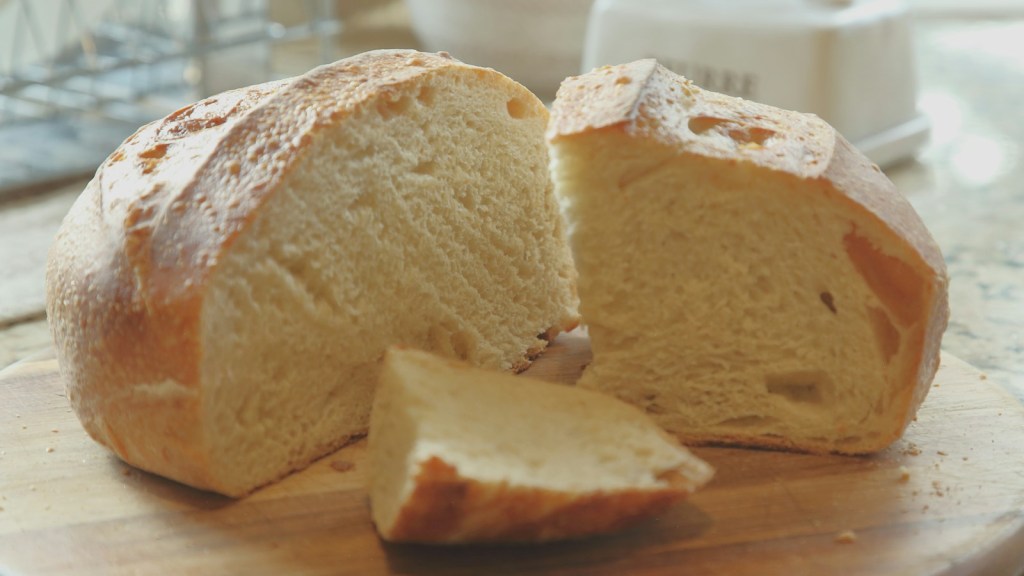
Why did the U.S. ban sliced bread in 1943? The government wanted to conserve wax paper and other wartime supplies, and sliced loaves needed heavier wrapping than whole ones. Food Distribution Order No. 1, the sliced bread ban of 1943, took effect on January 18, 1943, and was withdrawn on March 8, 1943, after only about seven weeks. This guide explains what the order said, why officials issued it, why they reversed it so quickly, and how sliced bread became a household standard in the first place.
The short answer: in January 1943, the U.S. Department of Agriculture barred commercial bakeries from selling pre-sliced bread, with the stated goal of saving wax paper for the war effort. The rule proved so unpopular, and saved so little, that it was dropped within two months.
What did the sliced bread ban actually say?
The rule was Food Distribution Order No. 1, issued by Claude Wickard, the Secretary of Agriculture, who also led the War Food Administration. Beginning January 18, 1943, commercial bakeries could no longer sell bread that had been sliced in advance. Bread was still on sale, but it had to be sold as whole, unsliced loaves, and customers who wanted slices had to cut the loaf themselves at home.
The order applied to commercial sales only. Nothing stopped a family from slicing a loaf in its own kitchen, which is why the episode is more accurately described as a ban on selling sliced bread than a ban on sliced bread itself.
Why did the government ban sliced bread?
The official reason was wartime conservation. A loaf that has been cut dries out and goes stale faster than a whole one, so sliced bread was wrapped in heavier waxed paper to stay fresh. Officials argued that selling only unsliced loaves would reduce the amount of wax paper bakeries used, leaving more of it available for the war effort. The order was also meant to keep higher flour costs from being passed on to shoppers.
Some retellings add that slicing machines used metal, which was also in short supply, but sources disagree on whether steel was part of the reasoning, so we treat that as a theory and not a documented reason. Others claim bakers would have been forced to sell thicker slices, a detail we could not support. The wax paper explanation is the one that appears consistently in the sources we checked. In early 1943, wartime shortages and rationing were already part of everyday life in the U.S., which helps explain why a rule about bread wrappers did not seem out of place to the officials who wrote it.
Why was the sliced bread ban lifted after about seven weeks?
Officials rescinded the order on March 8, 1943, and sliced bread returned to store shelves. They acknowledged that the ban had not saved as much as expected. The War Production Board also found that bakers already had roughly four months of wax paper on hand, so the restriction was not solving a real shortage.
Public reaction mattered as well. Households complained, including a housewife whose letter to The New York Times criticized the rule, and critics argued that the ban wasted bread, did little to save bakers money and complicated their machinery. Some websites say the ban lasted about three months, but the order’s own dates show a duration of roughly seven weeks, from January 18 to March 8.
How did sliced bread become so common?
The story begins with Otto Rohwedder, who invented a machine that sliced a loaf and wrapped it in one step. The Chillicothe Baking Company, in Chillicothe, Missouri, was the first to sell sliced bread, on July 7, 1928. Sliced Wonder Bread went national in 1930, and by 1933 sliced bread had become the dominant form of bakery bread, at roughly 80 percent of sales according to Wikipedia and MoneyWeek.
That timeline explains the strength of the reaction in 1943. In less than fifteen years, a novelty had become the default, and a rule that took it away felt like a step backward to many shoppers. Slicing a loaf evenly at home is harder than it looks, and families had grown used to bread that was ready for the toaster and the sandwich.
What did the ban mean for shoppers and bakers?
For shoppers, the practical effect was a return to the bread knife. For bakers, it meant stocking unsliced loaves and, according to critics at the time, working around machinery that was built to slice and wrap in one continuous process. The savings the government hoped for never appeared on a scale large enough to justify the trouble, which is the main reason the order is remembered as an example of a well-meant wartime rule that did not survive contact with everyday life.
It is also a useful reminder that wartime conservation rules were not all equally effective. Some programs, such as rationing of scarce goods, lasted for years. The sliced bread order was reversed so quickly that many people today are surprised it ever existed.
Is this where “the greatest thing since sliced bread” comes from?
Not directly. The saying became a common way to praise a new invention because sliced bread had become such an ordinary convenience, and the 1943 episode shows how quickly people came to depend on it. The ban itself did not create the phrase, and we have not tried to date its first use here.
Frequently asked questions
Was sliced bread banned in 1943?
Yes. Food Distribution Order No. 1 barred commercial bakeries from selling pre-sliced bread from January 18, 1943, until it was rescinded on March 8, 1943.
How long was sliced bread banned for?
About seven weeks. Some websites say three months, but the order’s start and end dates show a shorter period.
Could people still slice bread at home?
Yes. The order only stopped commercial bakeries from selling bread that was already sliced. Cutting a whole loaf at home was never restricted.
If you enjoy explainers like this, browse more in our History section and subscribe to Mr Global Rankss on YouTube for more science, history and rankings.
Related reading: what happens to unsold cruise ship food, the Marine Corps Birthday and Atomic Annie.
Sources
- Smithsonian Magazine: The ridiculous reason the U.S. enacted a wartime ban on sliced bread sales
- Wikipedia: Sliced bread
- Mental Floss: The time the U.S. government banned sliced bread
- Culinary Lore: Sliced bread was once illegal in the U.S.
- MoneyWeek: 7 July 1928, sliced bread goes on sale for the first time


Leave a Reply