
Are there eagles in Antarctica? The short answer is that eagles are not part of the continent’s wildlife. When guides and scientists describe the top flying hunters of Antarctica, they name skuas, not eagles. That raises a fascinating question: what would it take for an eagle to evolve there? Using what is known about Antarctic conditions, bird biology and one real giant eagle from New Zealand, this guide explains how an Antarctic eagle might survive the cold, what it might eat, how large it could grow, and where the science runs out and guessing begins.
Do eagles live in Antarctica?
Eagles do not appear among the continent’s wildlife. The bird that fills the role of top flying predator there is the south polar skua, which nests on the continent in summer and raids penguin colonies for eggs and chicks. Skuas are not eagles, but they do much of the work an eagle would do elsewhere: they patrol the coast, scavenge, and take the eggs and chicks of other birds.
What birds live in Antarctica?
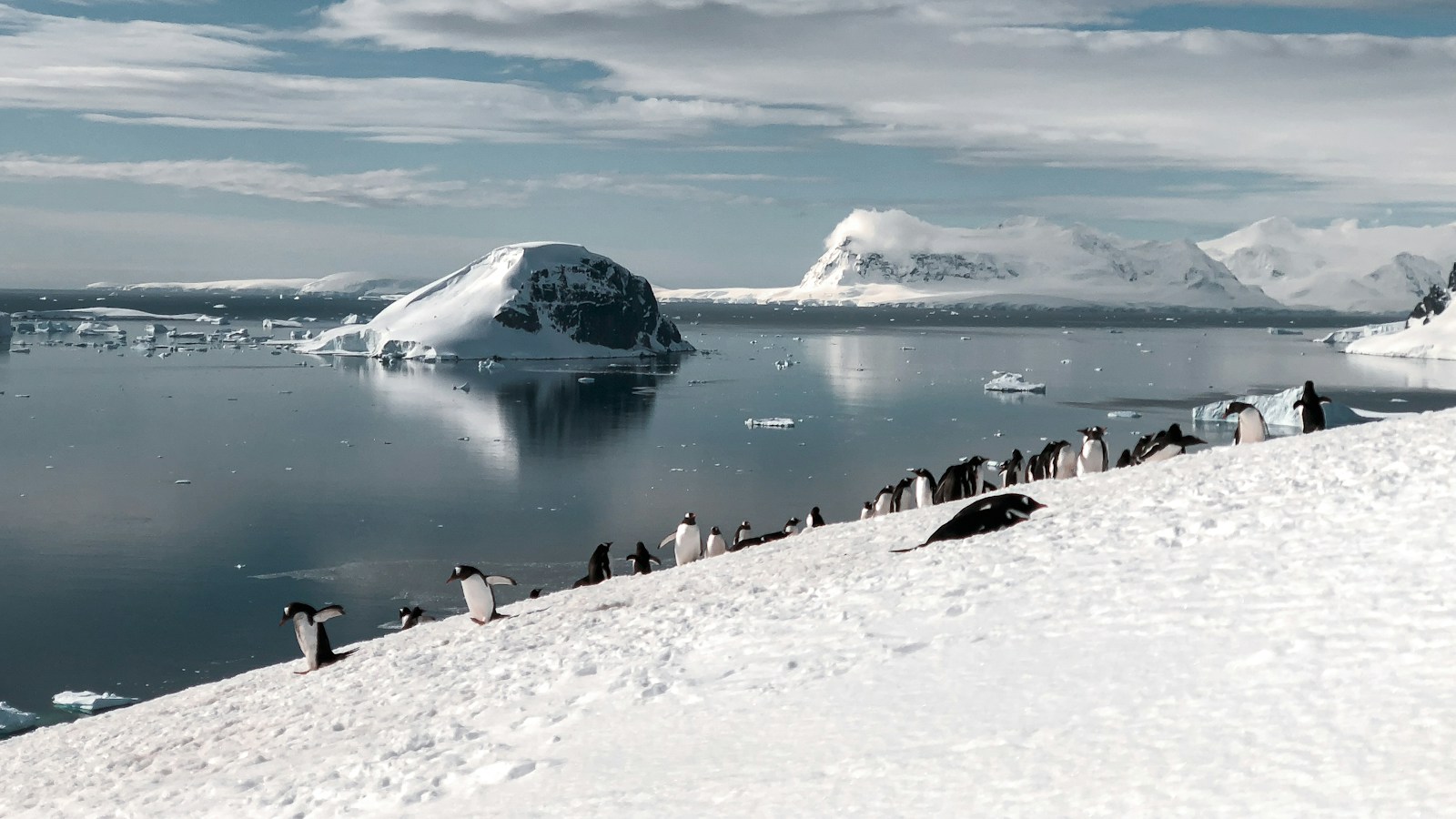
There are birds in Antarctica, but nearly all of them depend on the sea. Penguins are the best known. They nest on the coast and feed in the ocean, and the largest species, the emperor penguin, can weigh up to about 88 pounds (40 kilograms). Skuas are the main flying birds that hunt on the coast. Most of the continent’s large animals, including seals, whales and penguins, live in or around the water rather than inland.
Why is life on Antarctic land so hard?
Almost nothing lives on the land itself. The largest animal that stays on Antarctic land all year is a tiny wingless midge, an insect. Everything bigger either lives in the ocean or visits the land for part of the year.
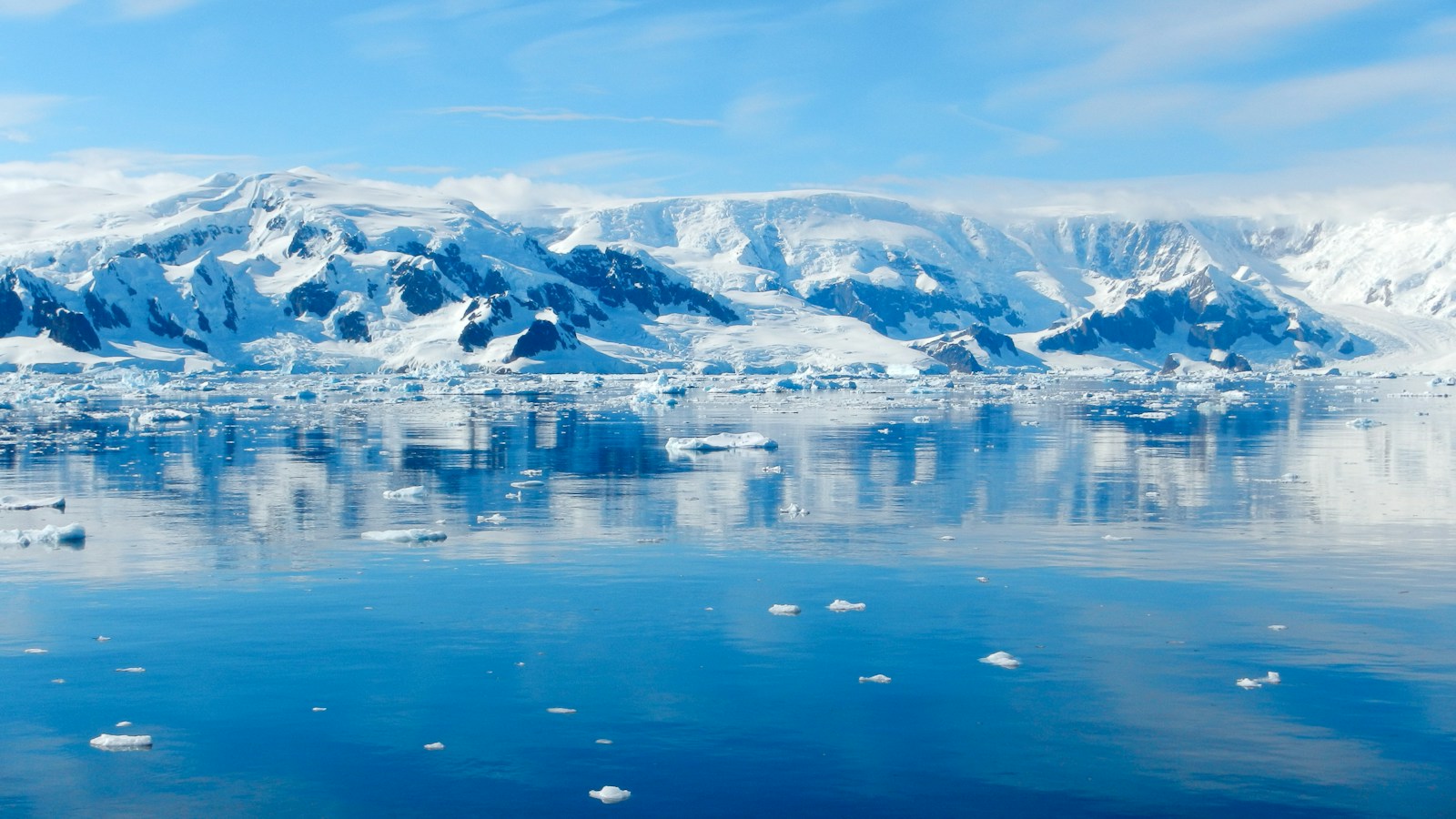
It was not always this way. Scientists estimate that Antarctica froze over about 34 million years ago, when its great ice sheets began to grow. Today, coastal winter temperatures can fall to about minus 58 degrees Fahrenheit (minus 50 degrees Celsius). Any eagle that evolved there would have to cope with that cold, and with a landscape that offers little food on the ground.
Could an eagle survive the Antarctic cold?
Possibly, because birds are already built for the cold. An eagle has stiff outer feathers that shed water and a layer of fluffy down underneath that traps warm air. Its legs also work like a heat exchanger: warm blood heading down toward the feet passes close beside cooler blood coming back up, so the body loses less heat through bare legs and feet. These are ordinary features of cold-climate birds, which is why a northern bird such as the bald eagle already copes with snow and ice in places like Alaska.
What would an Antarctic eagle eat?
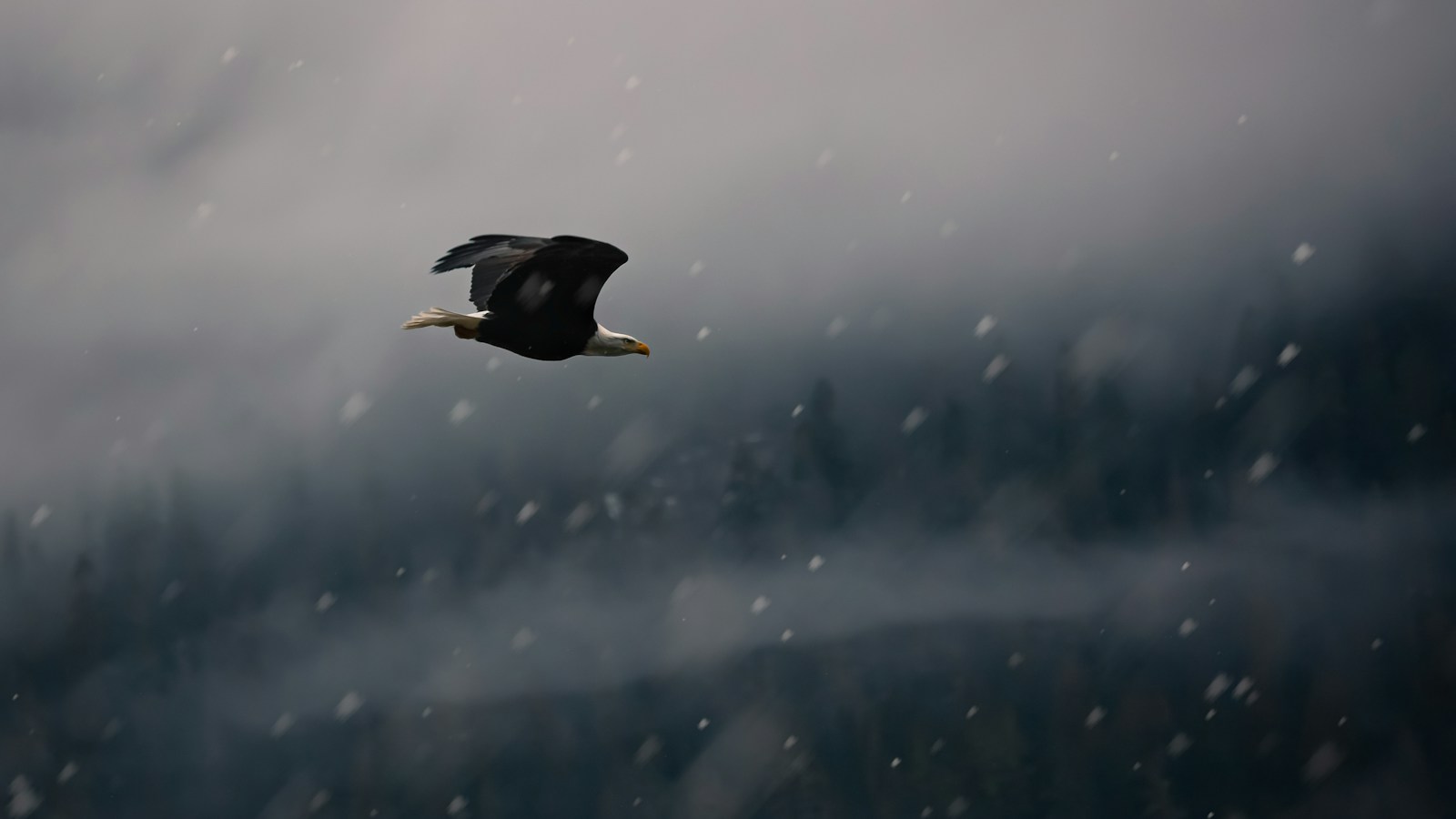
Food is the bigger problem, but eagles are flexible. A bald eagle already eats mostly fish, scavenges carrion and steals meals from other birds. Those habits would likely fit an Antarctic shoreline, where seals and penguins gather in huge numbers and where carcasses and unguarded eggs are available in summer.
There is even a real hint from the far south. The striated caracara, a bird of prey that lives on islands off southern South America, sometimes hunts in large flocks, scavenges seal and penguin carcasses, and takes penguin eggs and chicks. If an eagle took the same route, it would be copying a strategy that a living bird of prey already uses near penguin colonies.
Could an eagle hunt a penguin?
A small eagle could not, but a much larger one might. An adult emperor penguin can weigh about 88 pounds (40 kilograms), far more than any living eagle can carry or kill easily. Here the best clue comes from New Zealand, where the largest eagle that ever lived, Haast’s eagle, weighed roughly 22 to 33 pounds (10 to 15 kilograms). Researchers who studied its DNA estimated that it evolved from an eagle of about 2 pounds (1 kilogram) in only around a million years, an estimate that carries a wide margin of error, roughly 0.7 to 1.8 million years. That giant killed moa weighing up to 440 pounds (200 kilograms) with a strike to the head or throat.
The lesson is that an eagle can grow very large, very fast in evolutionary terms, when it has no land predators to compete with and large prey to hunt. Antarctica could, in theory, offer the same conditions, with penguins and seals taking the place of the moa.
What would stop an Antarctic eagle?
Winter would push back hardest. Across much of the continent the sun does not rise for weeks or months, and an eagle that hunts by sight would likely struggle in the dark. Skuas solve this by leaving: they breed on the continent in summer, then spend the winter at sea far to the north. An Antarctic eagle would probably have to copy them, which means it would need strong flight and the ability to cross open ocean.
What might an Antarctic eagle look like? The best guess
Putting the pieces together, the best guess, and it is only a guess, is a bigger, well-insulated eagle that patrols the coast in summer, scavenges seal carcasses, hunts in groups like caracaras, and strikes at penguins. Scientists cannot know for sure. But the building blocks are real: cold-proof feathers, a scavenging habit, and a giant eagle that grew roughly tenfold in around a million years.
Frequently asked questions
Are there bald eagles in Antarctica?
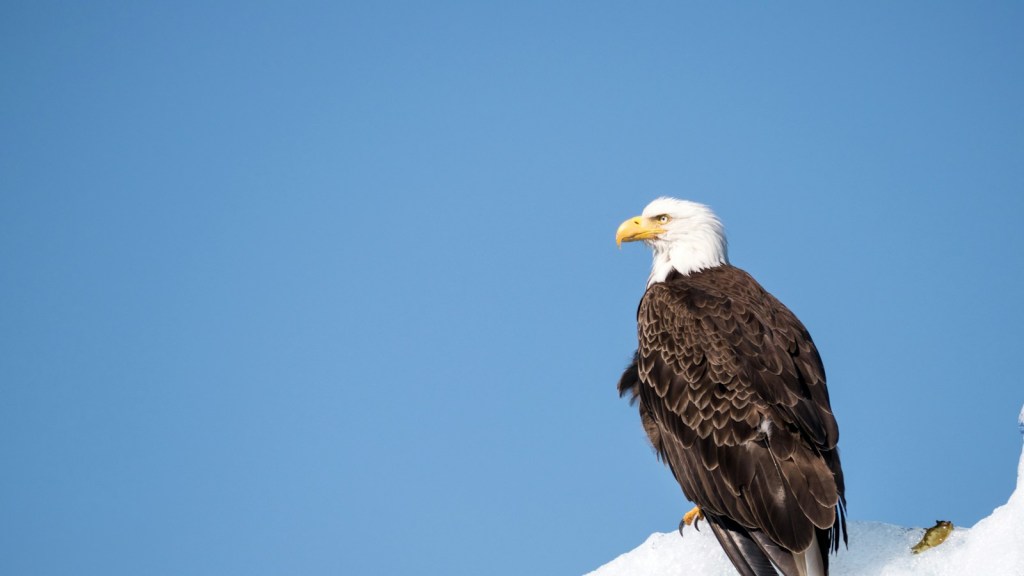
No. Bald eagles are North American birds, and they are shown in this article only to illustrate how a cold-climate eagle looks and behaves.
Are there any birds in Antarctica?
Yes. Penguins and skuas are the best known, and most Antarctic birds depend on the ocean for food. Skuas are the top flying predators on the coast.
Could an eagle really grow as big as a Haast’s eagle?
It is possible in principle. DNA studies suggest Haast’s eagle evolved from a much smaller eagle in around a million years, though the exact figure is an estimate with a wide range.
Is this a real scientific prediction?
No. It is a thought experiment built on real facts about Antarctic conditions, bird biology and a real giant eagle. The final picture is an informed guess, not a forecast.
If you enjoy science explainers like this, browse more in our Animals and Facts sections and subscribe to Mr Global Rankss on YouTube for more science, history and rankings.
Related reading: the sabertooth tiger and other deadly ice age predators, the rarest birds in the world and what killed the dinosaurs.
Sources
- Australian Antarctic Division: South polar skua
- New Zealand Birds Online: South polar skua
- Discover Wildlife: Antarctica’s largest permanent land animal
- EarthDate: Antarctica’s largest land creature
- ScienceDaily: When the Antarctic ice sheets began to grow (2017)
- U.S. Antarctic Program: Participant guide, Chapter 7
- Quark Expeditions: Emperor penguin facts
- PBS Nature: Penguin fact sheet
- Smithsonian: Keeping warm, winter birds
- WWT: Why don’t birds’ feet freeze?
- Audubon: Bald eagle
- All About Birds: Bald eagle food
- Oiseaux-Birds: Striated caracara
- All Things Wild: Striated caracara
- LiveScience: Tiny eagle evolved into huge beast that barely flew
- Smithsonian Magazine: How a giant eagle came to dominate New Zealand
- Bunce et al. (2005): Ancient DNA and New Zealand’s extinct giant eagle, PLoS Biology


Leave a Reply