
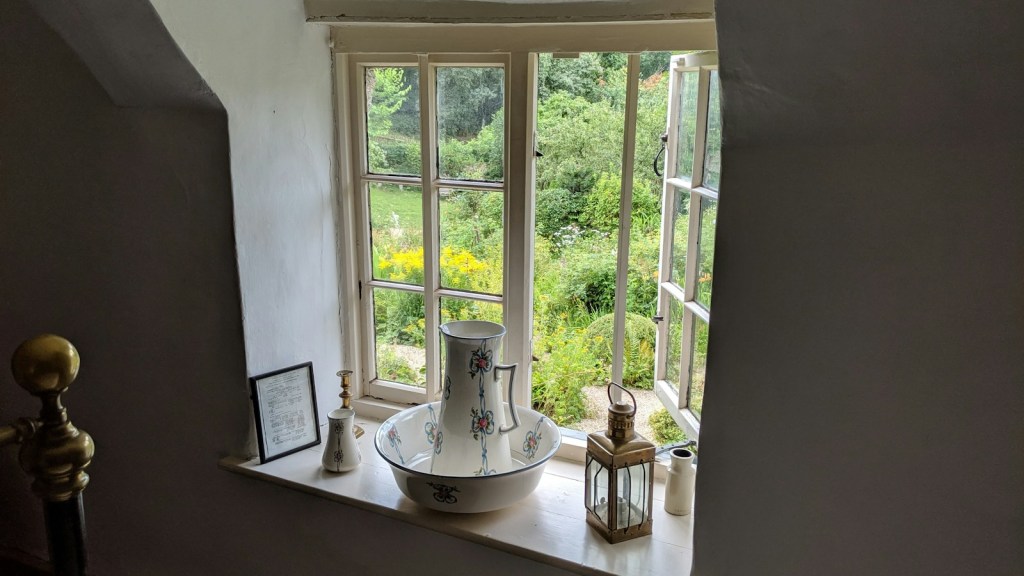
For many households in the 1800s, a full bath was a weekly event, often on Saturday night, taken in a portable tin tub in the kitchen with water heated on the stove and sometimes shared by the whole family. The rest of the week, people washed with a sponge or cloth at a jug and basin. Bathing in the 1800s changed greatly over the century as piped water, soap, public baths and germ theory spread.
Bathing was hard work before plumbing, and attitudes were different too. Early in the century many people thought frequent bathing was unnecessary or even harmful. By the end, cleanliness had become a mark of respectability and a public health goal. This guide follows that change through the tubs, the water, the washstand, the public baths and the health crazes, and notes where sources disagree.
Key facts at a glance
- A weekly full bath, often on Saturday night, was typical for many ordinary households. Some people bathed less.
- Water had to be drawn, carried, heated and poured into a portable tub, then emptied by hand.
- Family members often shared the same bath water, one after another.
- New York’s Croton water supply reached the city in 1842, but bathrooms spread slowly and mostly in wealthier homes.
- The Public Baths and Wash-houses Act of 1846 let British councils build public baths.
- Britain ended its soap tax in 1853, and soap became cheaper and more common.
How often did people bathe in the 1800s?
For many households, about once a week. The Animas Museum in Colorado says Victorians may have taken a full bath only once a week, usually on Saturday night, with daily washing done with a rag, pitcher and basin. The Encyclopedia of Dubuque says the “Saturday night” bath became a common routine in industrialized countries in the 19th and early 20th centuries, and an academic book from ANU Press records an 1860 diarist calling Saturday evening “ablution night” (Animas Museum; Encyclopedia of Dubuque; ANU Press). The sources hedge, so this was a common pattern, not a universal rule.
Many people bathed even less. American Heritage reports that mid-century advice favored brief baths, and JSTOR Daily says experts of the 1860s preferred a short cold plunge to a hot, lingering soak (American Heritage; JSTOR Daily).
Why did people believe bathing could be harmful?
Early in the century many Americans thought bathing unnecessary or risky. American Heritage notes that some city ordinances barred bathing except on medical advice, and the Smithsonian says many believed bathing stripped a protective oil layer and exposed people to “miasma,” the bad-air theory of disease. JSTOR Daily adds that people believed submersion caused weakness (American Heritage; Smithsonian; JSTOR Daily).
How did people heat bath water without plumbing?
With effort. Living History Farms in Iowa describes water pumped from a well, carried in, heated on the woodstove and poured into a tin or wooden tub. The Encyclopedia of Dubuque lists the same steps, and the Hermann-Grima and Gallier museum in New Orleans describes cistern water heated over an open fire and carried indoors by bucket. In Britain, working people fetched water from a street pump or tap and heated it in pots and kettles to fill a tin bath in front of the fire (Living History Farms; Encyclopedia of Dubuque; Hermann-Grima and Gallier; Islington Education Library Service).
In the United States of the 1850s, typical families bathed in the kitchen in portable metal tubs filled by bucket, while only wealthy families had bathrooms with running water, according to Encyclopedia.com. American Heritage agrees that early household tubs were rare and usually portable, and the Smithsonian says upper and middle-class families installed tubs with running water in the mid to late 1800s while working-class tenement residents often lacked access (Encyclopedia.com; American Heritage; Smithsonian).
Did families really share bath water?
Commonly, yes. Living History Farms says the father bathed first, then the mother, then the children from oldest to youngest, so the youngest got the coldest, dirtiest water. The Encyclopedia of Dubuque describes the cleanest person going first and the dirtiest last, and Encyclopedia.com says families often did not change the water between bathers. The exact order was a typical pattern, not a rule (Living History Farms; Encyclopedia of Dubuque; Encyclopedia.com).
What were hip baths and tin tubs?
A hip bath, also called a sitz bath, was a portable tub in which you sat with only your hips in the water. The Science Museum Group holds an enamelled tin-plated steel example from Europe, 1801 to 1900, and the Smithsonian holds a tin-and-iron one from about 1849 to 1860. Portable full-size tubs were often tin, and the Smithsonian also holds a painted tinned-iron “hat” bath made in Boston in which the bather sat on a ledge with feet in a central basin (Science Museum Group; Smithsonian; Smithsonian, hat bath).
What was a washstand for?
It was the daily wash. American Heritage says that for most people washing meant a sponge and washbasin in the bedroom, and Encyclopedia.com says typical families used washstands with a basin, a pitcher and a chamber pot. The Hermann-Grima museum describes bedroom washstands used for morning sponge baths. In better-off British homes, a servant carried hot water up in a can and took the dirty water away (American Heritage; Encyclopedia.com; Hermann-Grima and Gallier; Jacksonville Historical Society).
When did homes get indoor bathrooms?
Slowly and unevenly. Water from the Croton Aqueduct reached New York City in the summer of 1842, replacing wells and ponds, many contaminated. That was a public water supply, and sources do not say it put bathrooms in homes (NYC Department of Environmental Protection; NYC Archaeological Repository).
In Britain, most towns had constant pressurized mains water from the 1860s and 1870s, and the University of the West of England says bathrooms with fixed fittings and hot and cold running water spread mainly in larger middle-class houses after about 1870. By 1940, about 55 percent of all U.S. homes had a complete private bathroom, according to American Heritage, while Encyclopedia.com says roughly three in four urban families did (University of the West of England; American Heritage; Encyclopedia.com).
Where did poorer people wash?
At the kitchen sink, in a tin tub, or at public baths. The Public Baths and Wash-houses Act of 1846 gave British local authorities the power to build public baths and wash-houses, paid for with loans, according to the UK Parliament and a University of Liverpool paper. These offered individual “slipper” baths, swimming baths and laundries. Prices were pennies, yet the poorest often could not afford even that: Liverpool’s baths committee admitted in 1899 that the “exceedingly poor” were not using the baths (UK Parliament; Sheard, University of Liverpool; University of Salford; Historic England).
Cholera drove much of this. Wessex Archaeology says the public baths movement grew from cholera fears, which reached Britain in 1831, and from the sanitary reform movement, and the University of Salford paper says reformers argued baths would benefit working-class men (Wessex Archaeology; University of Salford).
What was the water cure?
A health craze, also called hydropathy, started by the Silesian Vincent Priessnitz (1799 to 1851). It used cold baths, wet-sheet wraps and douches, and reached the United States in the 1840s. The University of Rochester’s library guide, the University of Toledo and the National Library of Medicine all describe it, and followers encouraged frequent bathing when most people rarely bathed. After the Civil War interest declined (PubMed Central; University of Rochester; National Library of Medicine; University of Toledo).
What were Turkish baths and bathing machines?
Turkish baths were hot dry-air baths promoted in Britain by the diplomat David Urquhart. The Victorian Web places the revival in the mid-1850s and notes the Jermyn Street baths in London opened in 1862, and hundreds opened across Britain and Ireland. They were associated with leisure and luxury (Victorian Web; Victorian Turkish Bath site).
Sea bathing was seen as healthy but dangerous, and modesty rules were strict. Bathing machines were wheeled wooden huts pulled into the water so people could change out of sight, with same-sex attendants called dippers helping bathers. The Hagley Museum and the Emsworth Museum both describe them, and they date from the mid-1700s (Hagley Museum; Emsworth Museum).
Why did bathing become more common?
Several things came together. Britain ended its soap tax in 1853, and the Open University and the University of Plymouth both describe soap becoming cheaper and more widely sold. The germ theory of disease, associated with Pasteur and Lister from 1865, tied cleanliness to health. The Smithsonian says belief in microbes spread after the Civil War and that by the 1880s many doctors promoted personal cleanliness, though JSTOR Daily places the strongest shift in habits in the early 1900s (Open University; University of Plymouth; Newcastle University; Smithsonian).
Frequently asked questions
Did Victorians really bathe only once a week?
Often, for a full bath. A weekly warm bath, commonly on Saturday evening, was typical for many households, with sponge washing in between, and some people bathed less.
How did they heat bath water?
On a stove, range or open fire, then carried by bucket to a portable tub in the kitchen or in front of a bedroom fire.
Did families share the same bath water?
Commonly. Family members bathed in turn in the same water, often cleanest first.
When did ordinary homes get bathrooms?
Slowly. Bathrooms appeared mainly in wealthier homes from about 1870, and only about 55 percent of all U.S. homes had a complete private bathroom by 1940.
Where did poorer people wash without a bathroom?
At the kitchen or scullery sink, in a tin tub by the fire, or at public baths and wash-houses, though the poorest often could not afford even those.
Want more stories about how people lived in the past? Watch the Mr Global Rankss YouTube channel for new history and science videos.
Related reading: How people heated their homes in the 1700s | How people washed clothes before washing machines | How people brushed their teeth in the 1800s
Sources
- American Heritage: Bathroom Epic
- Smithsonian: Bathing, body soaps and cleansers
- JSTOR Daily: When Americans Started Bathing
- Animas Museum: bathroom exhibit
- Encyclopedia of Dubuque: Bathing
- ANU Press: book chapter on bathing
- Living History Farms: 1876 kids
- Hermann-Grima and Gallier: The nineteenth-century bathing environment
- Islington Education Library Service: Tin bath
- Encyclopedia.com: Bathtubs and Bathing
- Science Museum Group: Hip bath
- Smithsonian: Sitz bath
- Smithsonian: Hat bathtub
- Jacksonville Historical Society: Victorian era hygiene
- NYC DEP: History of New York City’s drinking water
- NYC Archaeological Repository: Croton Aqueduct
- University of the West of England: Victorian and Edwardian services
- UK Parliament: Baths and Wash-houses Act
- Sheard: Baths and wash-houses, University of Liverpool
- University of Salford: public baths paper
- Historic England: Laurie Grove Baths
- Wessex Archaeology: Victorian public baths
- PubMed Central: history of hydrotherapy
- University of Rochester: Water Cure
- National Library of Medicine: the water cure
- University of Toledo: quackery exhibit
- Victorian Web: Turkish baths
- Victorian Turkish Bath site
- Hagley Museum: Surf huts and bathing chariots
- Emsworth Museum: bathing machines
- Open University: The history of soapmaking
- University of Plymouth: Soap and the Victorians
- Newcastle University: Lister and germ theory


Leave a Reply