
Daily life in ancient Rome followed the sun. A typical day began with a light breakfast, moved through a morning of greetings and work, paused for a small lunch and a rest, and then turned to the public baths and the main meal of the day. Even the clock was different: the Romans divided daylight into twelve hours, so an hour was not always sixty minutes. This article walks through what people in ancient Rome actually did all day, and how we know.
How did the Romans tell time?
The Romans split the period from sunrise to sunset into twelve equal parts. Because summer days are long and winter days are short, the length of each hour changed with the seasons. At the summer solstice a Roman hour lasted about 75 of our minutes, and at the winter solstice only about 45, at the latitude of the Mediterranean. A Roman day simply followed the sun, and most of what people did was timed by the hour of the day rather than by a watch.
What did a Roman eat for breakfast, and what was the morning greeting?
The day began at sunrise with a light breakfast called the ientaculum. It might be bread and salt, sometimes with a little cheese or fruit. For many men in the city, the first two hours then belonged to a morning ritual called the salutatio. A client, a man who depended on a wealthy patron, put on a toga and visited the patron’s house to greet him. In return, he might receive a basket of food or a little money, help with a legal problem, or political support. The Roman poet Martial, who wrote about the hours of the day in his epigrams, places this greeting in the first two hours.
What work did people do in ancient Rome?
Business in Rome was done mostly in the morning, in a shift of about six hours from sunrise to midday. Wealthy men pleaded cases in court or worked in politics in the Forum. Ordinary city workers were shopkeepers and craftsmen, such as bakers, barbers, butchers, cobblers and fishmongers. Slaves did most of the heavy labor, and many shopkeepers were themselves slaves or freed slaves. Martial places the end of the working day around the seventh hour, which fits the picture of a working day that ended soon after midday.
Did Roman children go to school?
Children from families who could afford it did. Classes began around dawn and ended around midday, and girls attended too, mostly at the first level of schooling. School, like business, was a morning affair, which left the afternoon free for rest, exercise and the baths.
What did Romans eat for lunch?
Around midday came the prandium, a light lunch. It was often just bread, or eggs and fish with some vegetables, and many people ate it on the go from the snack shops and taverns of the city. After lunch the city rested for a while. Martial describes the sixth hour as a respite for the weary, which matches the idea of a midday pause before the rest of the day.
What happened at the Roman baths?
For many Romans, this was the best part of the day. Around the eighth hour, in the afternoon, they went to the public baths. A visit cost very little, and rich and poor shared the same rooms. People exercised, then moved from a warm room to a hot room to a cold plunge. They were rubbed with oil, and the oil was scraped off with a curved tool called a strigil. The biggest baths even had libraries and lecture halls, and hungry visitors could buy snacks from sellers nearby. Bathing was a social habit across the ancient Mediterranean; for a comparison with an earlier culture, see How Did People in Ancient Greece Bathe?
What was the main meal of the day?
After the baths came the cena, the main meal of the day. It was eaten in the late afternoon or early evening, and it was the one meal that brought the family together. A wealthy host could serve several courses, starting with eggs, shellfish and olives, then a main dish of meat or fish, and ending with fruit and nuts. Most Romans ate far more simply, mostly bread and porridge made from wheat and barley. In Rome, poorer citizens could also receive grain from the state.
How did daily life in ancient Rome differ for the rich and the poor?
The shape of the day was shared, but the content was not. A wealthy man might spend his morning receiving clients, pleading a case or working in politics, and his evening hosting a multi-course dinner. Most people lived a plainer life: they worked as shopkeepers and craftsmen, ate bread and porridge, and relied on cheap public baths for comfort and company. The baths were one of the few places where rich and poor shared the same rooms, and the state grain for poorer citizens shows how much daily life depended on food. Slavery sat underneath all of it, since slaves did most of the heavy labor.
Was ancient Rome quiet at night?
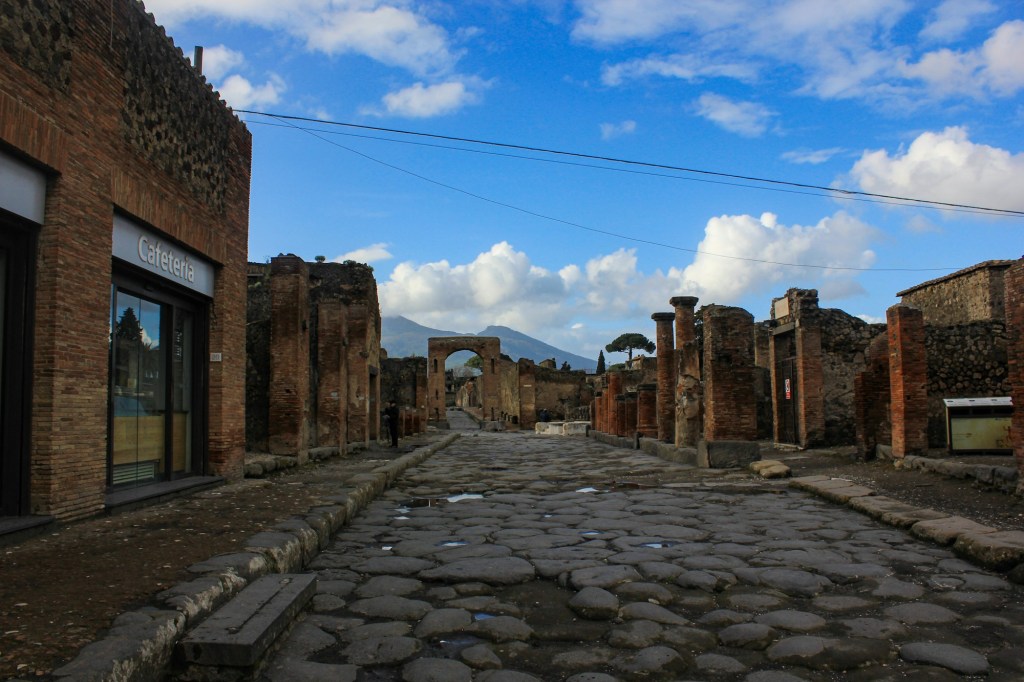
No. Even after sunset, Rome did not go quiet. Carts were kept off the streets during the first ten hours of the day, which meant deliveries rolled through at night. Most people lived in apartment blocks several storeys high, and the rumble of wheels and the shouts of drivers carried right up to their windows. A visitor to the paved streets of a Roman town such as Pompeii can still see the kind of street surface those wheels crossed.
What was left out, and why?
Several popular claims about the Roman day rest on a single source, or on sources that disagree, so they are left out here. Examples include how often Romans bathed (accounts range from once or twice a week to daily), the exact entrance fee at the baths, and the claim that the word “siesta” comes from the Latin for the sixth hour. Ancient writers such as Martial also described an idealized rhythm, so real days varied by wealth, job and season. As with what ancient humans did for pleasure, the evidence is strongest where several independent sources agree.
Frequently asked questions
How long was an hour in ancient Rome?
It depended on the season. Daylight was divided into twelve hours, so an hour was about 75 modern minutes at midsummer and about 45 at midwinter.
What were the three Roman meals?
The ientaculum (breakfast), the prandium (a light lunch) and the cena (the main meal, in the late afternoon or early evening).
When did Romans go to the baths?
Around the eighth hour, in the afternoon, after the working day and the midday rest.
Did Romans work all day?
Mostly no. Business was done mainly in the morning, in about six hours from sunrise to midday, leaving the afternoon for rest, the baths and dinner.
If you enjoy history like this, browse more in our History and Facts sections and subscribe to Mr Global Rankss on YouTube (https://www.youtube.com/@mrglobalrankss) for more science, history and rankings.
Related reading: What Did Ancient Humans Do for Pleasure?, How Did People in Ancient Greece Bathe? and How Did People Shave Before Razors?
Also read: What happened to the Library of Alexandria?
Sources
- Wikipedia: Roman timekeeping
- Amusing Planet: How Ancient Romans Kept Time
- Encyclopedia.com: A Roman Day
- World History Encyclopedia: Roman Daily Life
- World History Encyclopedia: Food in the Roman World
- World History Encyclopedia: Roman Education
- The Collector: A day in the public baths of ancient Rome
- Pomona College: Martial, Epigrams, Book 4
- Imperium Romanum: Transport and travel in ancient Rome


Leave a Reply