
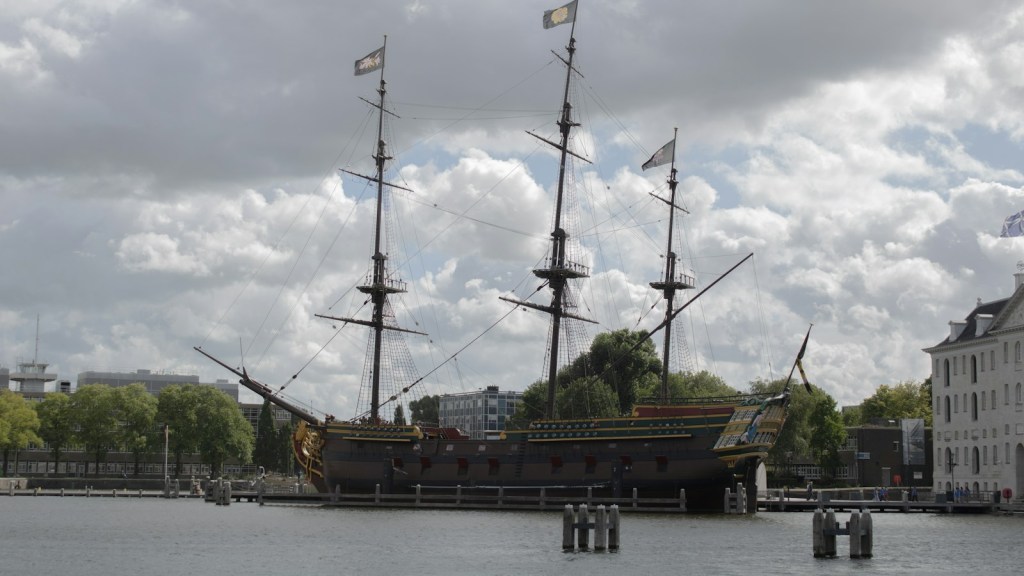
The East India Company lost its monopolies, then its armies and territories, and finally its legal existence. After the Indian rebellion of 1857, Parliament transferred the Company’s Indian possessions to the British Crown in 1858, and the Company was formally dissolved in 1874, according to World History Encyclopedia and Wikipedia. What happened to the East India Company was a gradual dismantling by the same government that had created it, driven by financial strain, famine and finally war. This article follows the story from its charter in 1600 to its end, explains the roles of tea and opium, and says what became of its Dutch rival.
What was the East India Company?
The English East India Company was created by a royal charter from Queen Elizabeth I on December 31, 1600. The charter went to a group of London merchants trading to the East Indies, and it gave them an exclusive right to English trade east of the Cape of Good Hope, as set out by World History Encyclopedia and Wikipedia. It came about a decade after the colonists of Roanoke vanished, a mystery covered in our article on the lost colony of Roanoke, and it belonged to the same era of English ambition overseas. The Company began with spices, above all pepper, according to World History Encyclopedia. History.com adds that its early progress in the East Indies was limited, and that by the 1630s it had largely turned to Indian textiles and Chinese tea. World History Encyclopedia notes that it later profited from salt, tea and opium as well.
Who owned the East India Company?
The Company was a joint-stock enterprise, which means it belonged to its shareholders. Investors put in capital and received a share of the profits. Its Court of Directors reported to a Court of Proprietors, the body of shareholders that appointed the directors, as Wikipedia explains, and World History Encyclopedia describes the Company in the same joint-stock terms. The Crown did not own it. The government nevertheless granted its charter, renewed its privileges and, in the end, took them away.
How did a trading company come to rule parts of India?
The turning point came with the Battle of Plassey in June 1757, a victory over the Nawab of Bengal after which the Company controlled territory of its own. Both World History Encyclopedia and Wikipedia date the expansion of Company rule to this period. After the Battle of Buxar in 1764, the Mughal emperor granted the Company the right to collect land revenue in Bengal, Bihar and Orissa in 1765, a point made by World History Encyclopedia and by History Hit. From then on the Company taxed, governed and fought like a state. Around 1857 it employed roughly 45,000 British soldiers and more than 230,000 Indian soldiers known as sepoys, according to two World History Encyclopedia articles, while Wikipedia gives the combined strength of its three presidency armies at its peak as about 260,000. By either count, the Company commanded roughly a quarter of a million soldiers.
What did tea and opium have to do with the Company?
British demand for Chinese tea created a problem. China wanted little from Britain except silver, and silver drained out of the country. The Company and other British merchants answered by selling Indian opium in China and using the silver they earned to buy tea, as the National Army Museum and History Hit both explain. Opium was illegal in China. In 1839 Chinese authorities seized and destroyed opium stocks at Canton, which led to the First Opium War of 1839 to 1842 and the transfer of Hong Kong to Britain.

Tea also pulled the Company into a famous dispute with the Atlantic colonies. By 1773 it was in financial trouble and held a large surplus of unsold tea in its warehouses. The Tea Act of that year allowed it to ship tea directly to the colonies, bypassing middlemen, and it was meant to rescue the Company and not to raise revenue, according to Wikipedia and History.com. Colonists objected, and on December 16, 1773 a group in Boston boarded Company ships and dumped the tea into the harbor, the event known as the Boston Tea Party.
What brought the East India Company down?
Several blows landed over about ninety years. The first was the Bengal famine of 1770, which killed millions of people, with estimates reaching about ten million, as History Hit and Wikipedia report. Both History Hit and the Wikipedia article on the Tea Act link the famine to the Company’s falling revenue. War, military and administrative costs and annual payments to the government deepened its troubles, according to History Hit and the same Tea Act article, and the Company needed support from the government. Parliament responded with the Regulating Act of 1773, which placed the Company under parliamentary control, according to History Hit and World History Encyclopedia.
Regulation then tightened step by step. The Charter Act of 1813 ended the Company’s trade monopoly with India, and the Act of 1833 ended its monopoly on the China trade, as Wikipedia and World History Encyclopedia both note. Then came 1857, when Indian soldiers rebelled against their officers and the revolt spread, an uprising described by World History Encyclopedia and History Hit. Its suppression ended the Company’s rule.
When did the East India Company end?
The Government of India Act of 1858 transferred the Company’s territories, administration and armed forces to the Crown, beginning the period of direct British rule known as the Raj. The formal end followed years later. World History Encyclopedia and Wikipedia give June 1, 1874 as the date of formal dissolution. Wikipedia explains that the East India Stock Dividend Redemption Act of 1873 took effect on January 1, 1874 and provided for dissolution on June 1, after a final dividend and the redemption of stock, while World History Encyclopedia’s separate article on the Company’s fall gives 1873, the year of the act. Like the collapse described in our article on what happened to the Soviet Union, the end came in stages and not on a single day.
What happened to the Dutch East India Company?
The Dutch East India Company, known by its initials VOC, was the Dutch counterpart of the English Company. It ended earlier than its English rival. After French troops occupied the Netherlands in 1795, its charter was allowed to lapse in 1799 and its territories passed to the Dutch government, as Wikipedia and Country Studies both record. Wikipedia describes the Company as bankrupt and adds that its debts were taken over as well. Both sources point to corruption among its personnel, and Country Studies notes a deficit of about 74 million guilders found in 1789.
What was left out, and why?
Several details found in popular accounts rest on a single source or on sources that disagree, and they are left out here. They include precise death tolls for the 1857 rebellion, the personal conduct of individual officials, the composition of the Company’s shareholders, and loan and dividend figures that vary by source. The Bengal famine toll is given only as an estimate, since sources differ. Where dates conflict, as with the dissolution in 1873 or 1874, this article flags the conflict and explains the difference.
Frequently asked questions
When did the East India Company end?
It lost its Indian territories and armies to the Crown in 1858 and was formally dissolved on June 1, 1874, under an act passed in 1873.
Who owned the East India Company?
Its shareholders owned it as a joint-stock company. The Crown granted its charter but did not own it.
What did the East India Company have to do with tea?
It imported Chinese tea, paid for partly with opium sold in China, and in 1773 it held a surplus of tea that led to the Tea Act and the Boston Tea Party.
What happened to the Dutch East India Company?
Its charter lapsed in 1799 after years of corruption and deficits, and its territories passed to the Dutch government.
If you enjoy history like this, browse more in our History and Facts sections and subscribe to Mr Global Rankss on YouTube (https://www.youtube.com/@mrglobalrankss) for more science, history and rankings.
Related reading: What Happened to the Lost Colony of Roanoke? and What Happened to the Soviet Union?
Sources
- Wikipedia: East India Company
- World History Encyclopedia: East India Company
- World History Encyclopedia: Fall of the East India Company
- History Hit: What Brought Down the East India Company?
- History.com: Charter granted to the East India Company
- Wikipedia: Tea Act
- History.com: Tea Act
- National Army Museum: The Opium War, 1839-1842
- History Hit: The 6 Main Causes of the Opium Wars
- Wikipedia: East India Stock Dividend Redemption Act 1873
- Wikipedia: Dutch East India Company
- Country Studies: VOC Bankruptcy and the British Occupation


Leave a Reply