

Which are the countries with the most natural disasters? The answer depends on what is being counted. The most widely cited ranking, the WorldRiskIndex 2026, does not simply tally earthquakes, floods and storms. It measures disaster risk: how exposed a country is to natural hazards, combined with how well its people and institutions can cope when one strikes. By that measure, the five countries most at risk from natural disasters are the Philippines, India, Indonesia, Colombia and Mexico.
The short answer: the Philippines tops the 2026 WorldRiskIndex with a score of 46.69 out of 100, followed by India (44.97), Indonesia (44.63), Colombia (39.80) and Mexico (39.18).
This guide follows our video countdown and uses the figures published in the 2026 WorldRiskReport. The scores are comparative, so they show how countries stand against one another rather than the odds of any single event.
Natural disaster risk by country: the 2026 top five at a glance
| Rank | Country | WorldRiskIndex 2026 score | Hazards highlighted in this article |
|---|---|---|---|
| 1 | Philippines | 46.69 | Typhoons, earthquakes, volcanoes |
| 2 | India | 44.97 | Earthquakes, floods, cyclones, drought |
| 3 | Indonesia | 44.63 | Earthquakes, tsunamis, volcanoes |
| 4 | Colombia | 39.80 | Volcanic eruptions |
| 5 | Mexico | 39.18 | Hurricanes |
How the WorldRiskIndex measures natural disaster risk
The WorldRiskIndex is the centrepiece of the WorldRiskReport, an annual study backed by German aid organisations including Welthungerhilfe. The 2026 edition covers all 193 member states of the United Nations, which together hold more than 99 percent of the world’s population. Each country receives a score from 0 to 100, and a higher score means a higher disaster risk.
The score combines two components: exposure to natural hazards, and societal vulnerability. Vulnerability covers social and economic conditions as well as a country’s capacity to respond and adapt, including its infrastructure, warning systems, access to essential services and institutional strength. The score is a comparative indicator, not a probability, so a score of 40 does not mean a 40 percent chance of catastrophe.
The 2026 report focuses on storms, and it ranks storm risk separately. Storms cause more economic damage than any other weather-related extreme event, and the report asks why the same storm becomes a disaster in one country while its effects stay limited in another. The answer, again and again, is preparedness.
The five most disaster-prone countries, counted down
5. Mexico (39.18)

Mexico ranks fifth overall, but it stands out in the 2026 report’s storm ranking, where it places second in the world behind only the Philippines. The country borders both the Pacific Ocean and the Gulf of Mexico, so it faces storms on two coasts.
The clearest recent example is Hurricane Otis, which came ashore near Acapulco on October 25, 2023, as a Category 5 hurricane with sustained winds of 165 mph (about 265 km/h). Otis strengthened rapidly and caught forecasters by surprise, and it was the most powerful hurricane on record to strike Mexico’s Pacific coast.
4. Colombia (39.80)
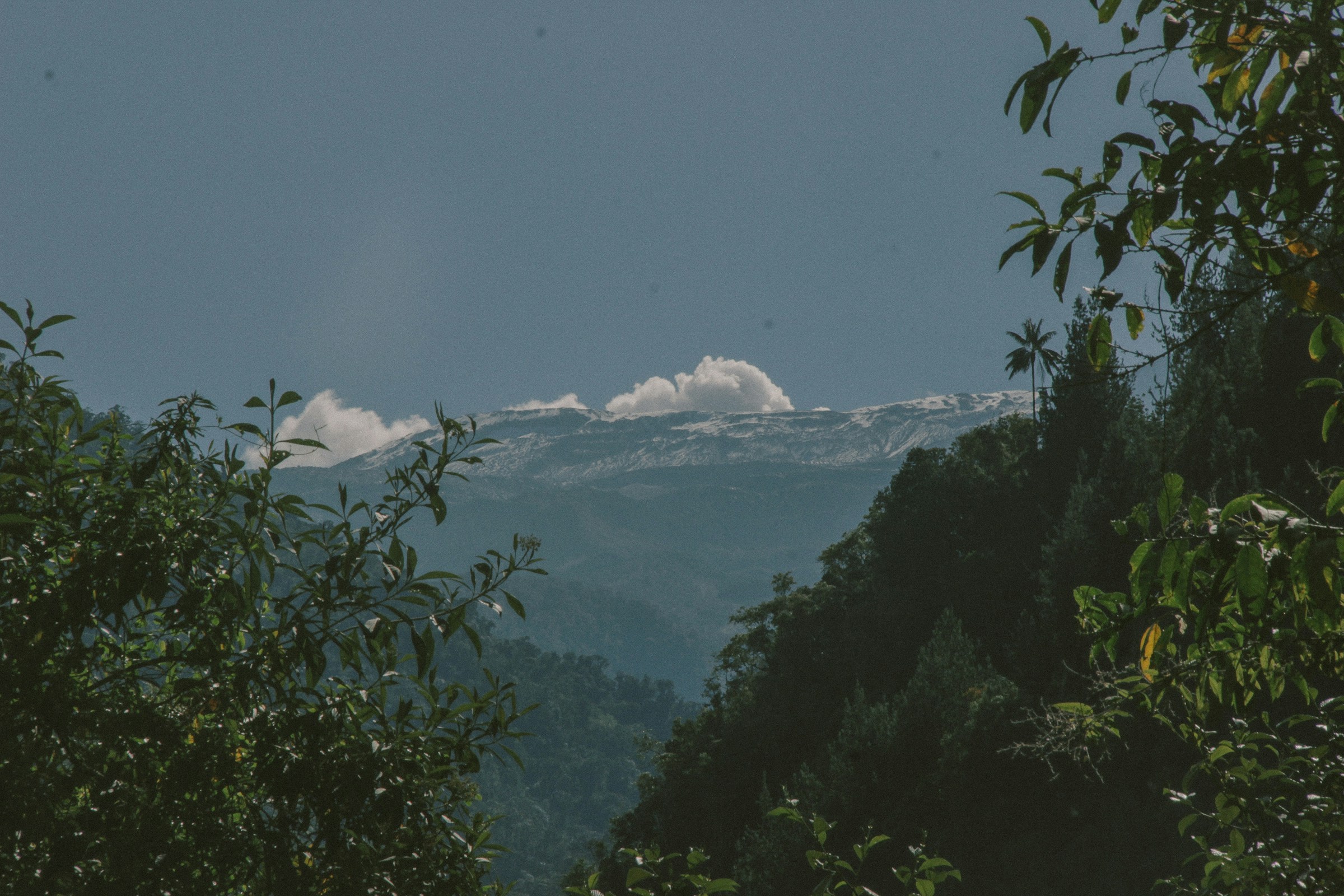
Colombia ranks fourth with a score of 39.80. Its most devastating disaster in living memory is the eruption of Nevado del Ruiz on November 13, 1985. The heat of the eruption melted ice on the volcano’s glacier and sent fast-moving mudflows, known as lahars, down its slopes. They reached the town of Armero within a few hours, and more than 23,000 people died, including more than 20,000 of Armero’s roughly 29,000 residents.
What makes the story so important for a risk index is that the danger had been recognised. Scientists had monitored the volcano for about a year and had identified lahars as the main hazard, yet no clear evacuation was ordered in time. A hazard turns into a catastrophe when warning and preparation fail, which is exactly what the vulnerability half of the index is designed to capture.
3. Indonesia (44.63)

Indonesia ranks third with a score of 44.63. The archipelago sits on the Pacific Ring of Fire, the belt around the Pacific Ocean where most of the world’s earthquakes and many of its volcanic eruptions occur, so earthquakes, tsunamis and eruptions are part of national life.
The defining event is the magnitude 9.1 earthquake off Sumatra in December 2004. It generated the Indian Ocean tsunami, which killed more than 200,000 people along the coasts of 14 countries. Indonesia’s Aceh province suffered the largest share of those deaths.
2. India (44.97)
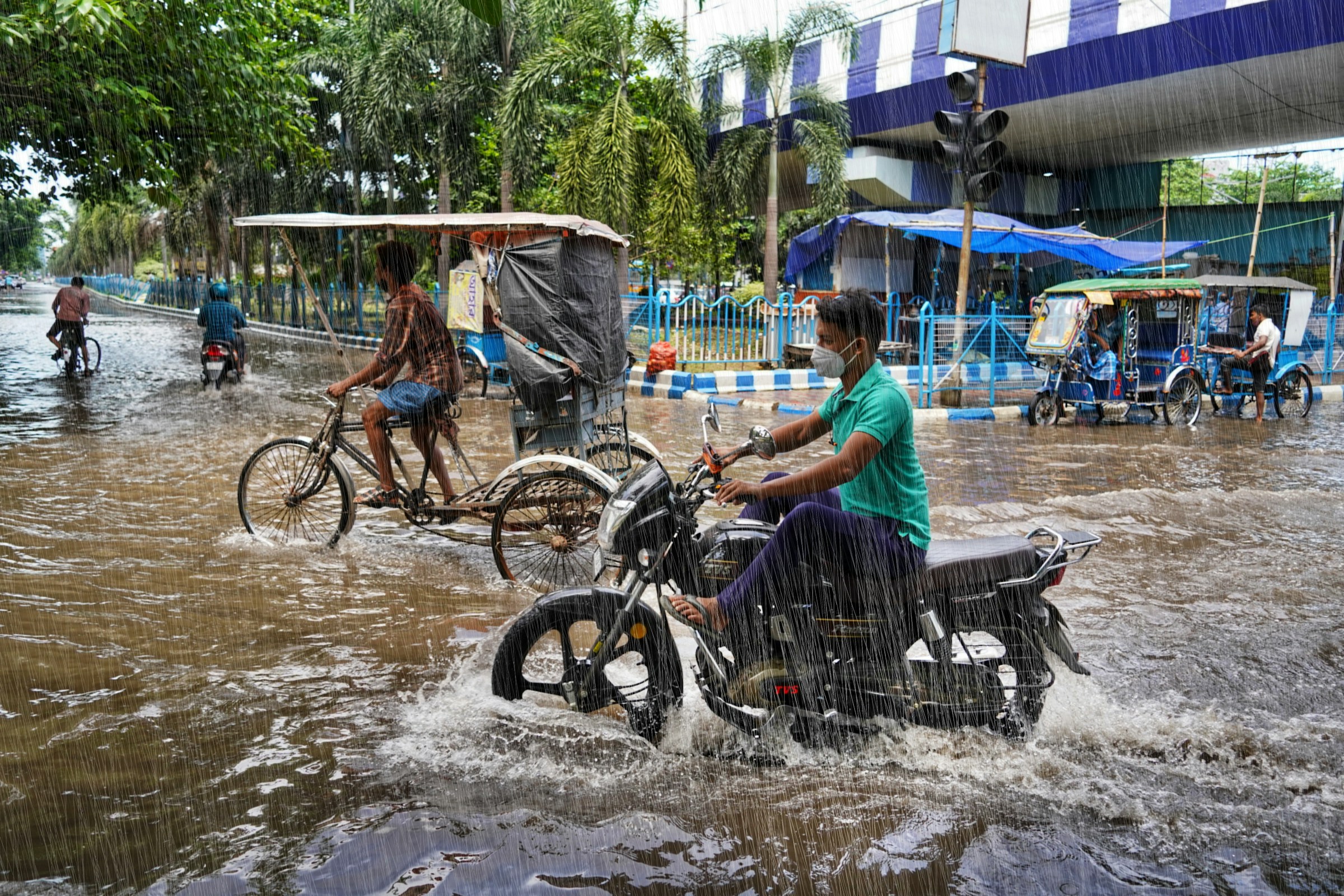
India ranks second with a score of 44.97, and its risk comes from the sheer variety of hazards across a vast territory. According to India’s national policy on disaster management, 58.6 percent of the landmass is prone to earthquakes of moderate to very high intensity, and more than 40 million hectares, about 12 percent of the land, is prone to floods and river erosion.
The coastline adds a third threat. Close to 5,700 kilometres (about 3,500 miles) of India’s 7,516-kilometre coast is prone to cyclones and tsunamis, and around 68 percent of the cultivable area is vulnerable to drought. The same figures appear in India’s report to the Asian Disaster Reduction Center.
1. Philippines (46.69)
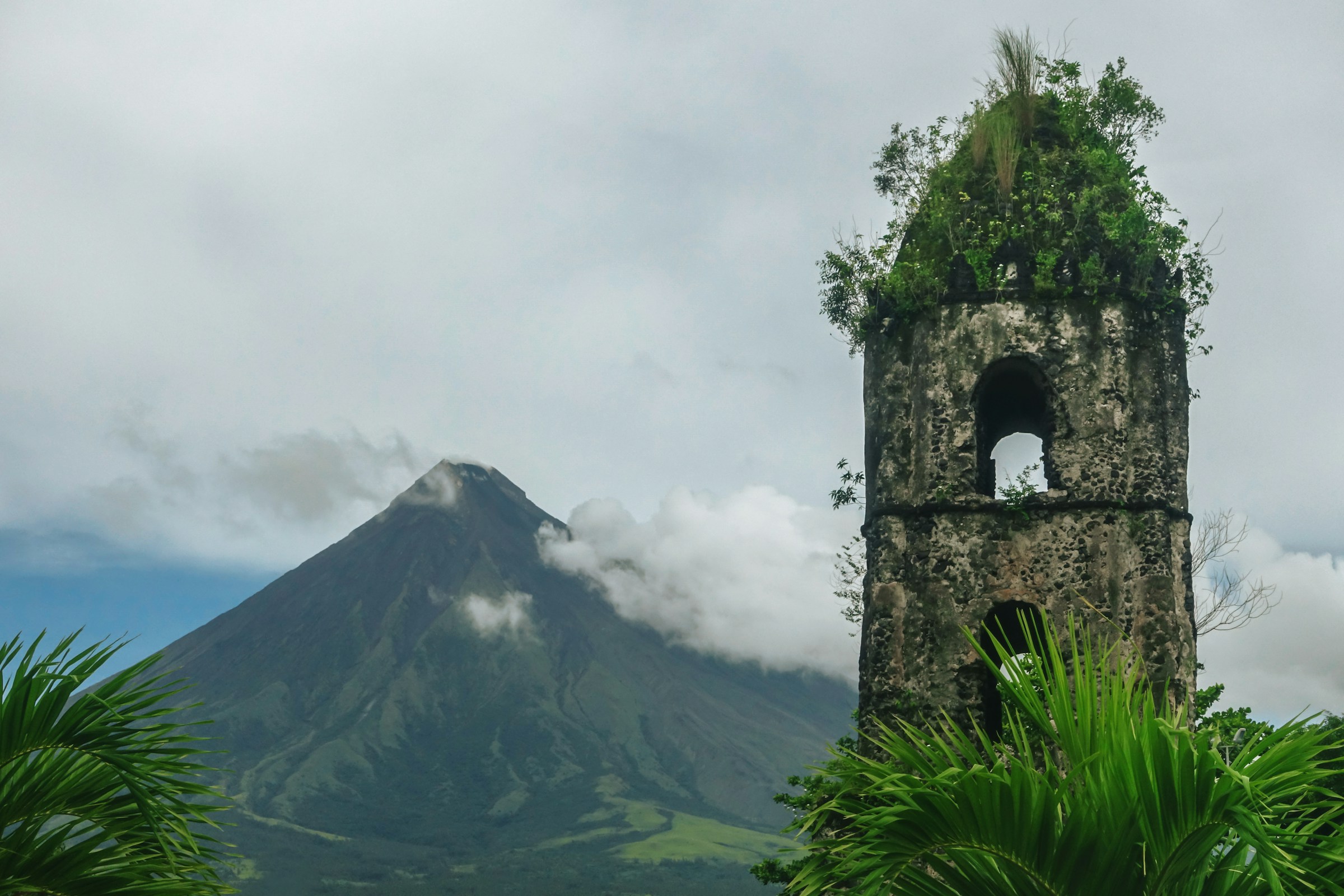
The Philippines again tops the WorldRiskIndex, with a score of 46.69. It also ranks first in the 2026 report’s storm ranking. The country lies on the Pacific Ring of Fire, where earthquakes and volcanic eruptions are common, and it sits in the western Pacific, where tropical cyclones form in large numbers.
The country’s national weather service, PAGASA, reports that roughly 20 tropical cyclones enter the Philippine area of responsibility each year, and several of them cross the country. Add heavy rainfall, flooding and landslides, and it is easy to see why the Philippines holds the top position for exposure and for risk.
What the ranking tells us about preparedness
Exposure alone does not decide the outcome. Similar hazards can produce very different results depending on a country’s preparation, infrastructure, social conditions and capacity to respond. That is why the report treats reducing vulnerability as the key lever: prevention, early-warning systems, resilient infrastructure, public services that can cope under pressure, and communities that know how to adapt.
Frequently asked questions
Which country is most at risk from natural disasters?
The Philippines, with a score of 46.69 out of 100 in the WorldRiskIndex 2026. India (44.97) and Indonesia (44.63) follow.
Does the index count how many natural disasters a country has?
No. The WorldRiskIndex measures disaster risk by combining exposure to natural hazards with societal vulnerability. It is a comparative score, not a count of events and not a probability.
How many countries does the WorldRiskIndex cover?
The 2026 index covers all 193 member states of the United Nations, more than 99 percent of the world’s population.
Which country has the highest storm risk?
The Philippines ranks first in the 2026 report’s storm ranking, and Mexico ranks second.
What is the difference between exposure and vulnerability?
Exposure describes how much of a country’s land, people and infrastructure lies in the path of natural hazards. Vulnerability describes how well that country can absorb and recover from the impact, based on its social and economic conditions, infrastructure and warning systems.
For readers who like a message of hope and peace
Get the Hope t-shirt on Amazon
Get the Peace graphic t-shirt on Amazon
Related reading
If you enjoyed this countdown, you may also like What Are the Tallest Buildings in the World? and The Rarest Birds in the World. For more data-driven countdowns, subscribe to Mr Global Rankss on YouTube.
Sources and further reading
- Welthungerhilfe: WorldRiskReport 2026
- Daily Tribune: Philippines again tops global disaster-risk ranking
- web.de: WorldRiskIndex 2026 top ten (in German)
- Mappr: WorldRiskIndex 2026 key takeaways
- Spotmedia: The most exposed countries to the risk of storms
- Hespress: how the WorldRiskIndex is built (in French)
- NASA: Hurricane Otis strikes Acapulco, Mexico
- Smithsonian Magazine: Hurricane Otis slams Mexico
- EARTH Magazine: Nevado del Ruiz eruption triggers deadly lahars
- History.com: The eruption of Nevado del Ruiz
- Al Jazeera: Indonesia battered by devastating quakes and tsunamis
- Live Science: Indonesia’s explosive geology explained
- PreventionWeb: India’s national policy on disaster management
- Asian Disaster Reduction Center: India country report 2018
- PAGASA: Tropical cyclone information


Leave a Reply