
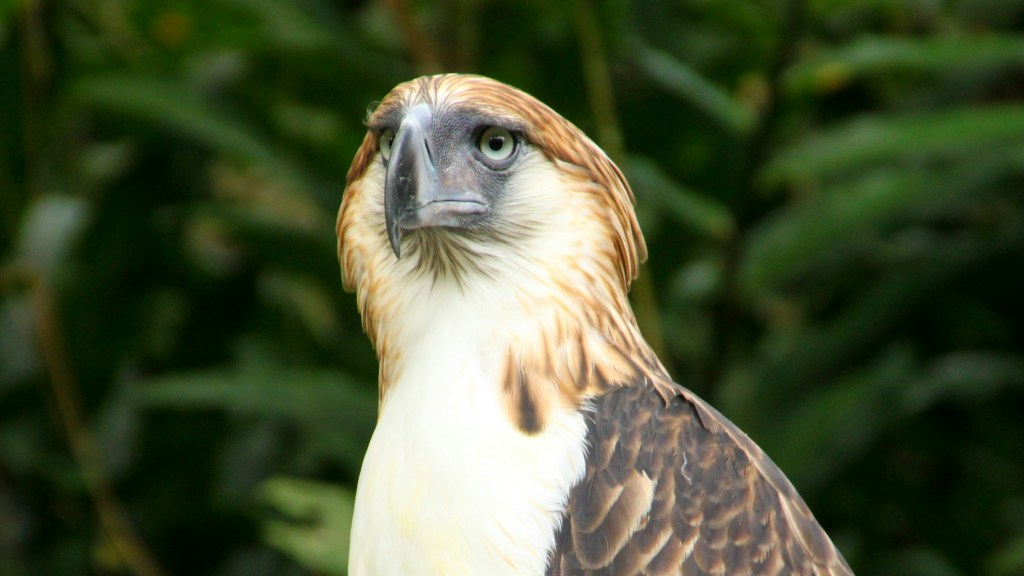
What are the rarest birds in the world, and why are so many of the most beautiful ones disappearing? The rarest birds are not always the smallest or the shyest. Some are giants with a nine-foot wingspan, some wear crowns and tail streamers, and some are famous mostly because only a few hundred remain. This guide counts down 15 of them, from the Atlantic puffin to the Philippine eagle.
The short answer: in this list, the Philippine eagle, the California condor and the Siberian crane are the rarest birds, and all three are rated Critically Endangered by the International Union for Conservation of Nature (IUCN).
This is an editorial selection that follows our video countdown. It is a list of the rarest birds ever featured on the channel, chosen for beauty and for the story behind each species, not an official ranking of the rarest birds on Earth. Across the 15 birds, 3 are Critically Endangered, 3 are Endangered, 6 are Vulnerable and 3 are Near Threatened.
Rarest birds list: the 15 at a glance
| Rank | Bird | IUCN status | Where it lives |
|---|---|---|---|
| 15 | Atlantic Puffin | Vulnerable | North Atlantic coasts |
| 14 | Victoria Crowned Pigeon | Near Threatened | New Guinea |
| 13 | Rhinoceros Hornbill | Vulnerable | Borneo, Sumatra, Java, Malay Peninsula |
| 12 | Great Hornbill | Vulnerable | India to Southeast Asia |
| 11 | Resplendent Quetzal | Near Threatened | Central America |
| 10 | Hyacinth Macaw | Vulnerable | Brazil and Bolivia |
| 9 | Shoebill | Vulnerable | East African swamps |
| 8 | Harpy Eagle | Near Threatened | Central and South America |
| 7 | African Grey Parrot | Endangered | Central African rainforests |
| 6 | Secretarybird | Endangered | Sub-Saharan Africa |
| 5 | Red-Crowned Crane | Vulnerable | Japan, Russia, China, Korea |
| 4 | Northern Bald Ibis | Endangered | Morocco |
| 3 | Siberian Crane | Critically Endangered | Russia and China |
| 2 | California Condor | Critically Endangered | California and the Grand Canyon region |
| 1 | Philippine Eagle | Critically Endangered | The Philippines |
What are the rarest birds in the world?
Conservationists use the IUCN Red List to judge how close a species is to disappearing. The scale runs from Near Threatened to Vulnerable, Endangered and Critically Endangered, and the last of these is the highest risk short of extinction in the wild. The birds below are counted down from 15 to 1, so the rarest birds appear last. Each entry links to the moment it appears in the video.
Fifteen rare and beautiful birds, counted down
15. Atlantic Puffin (Vulnerable)
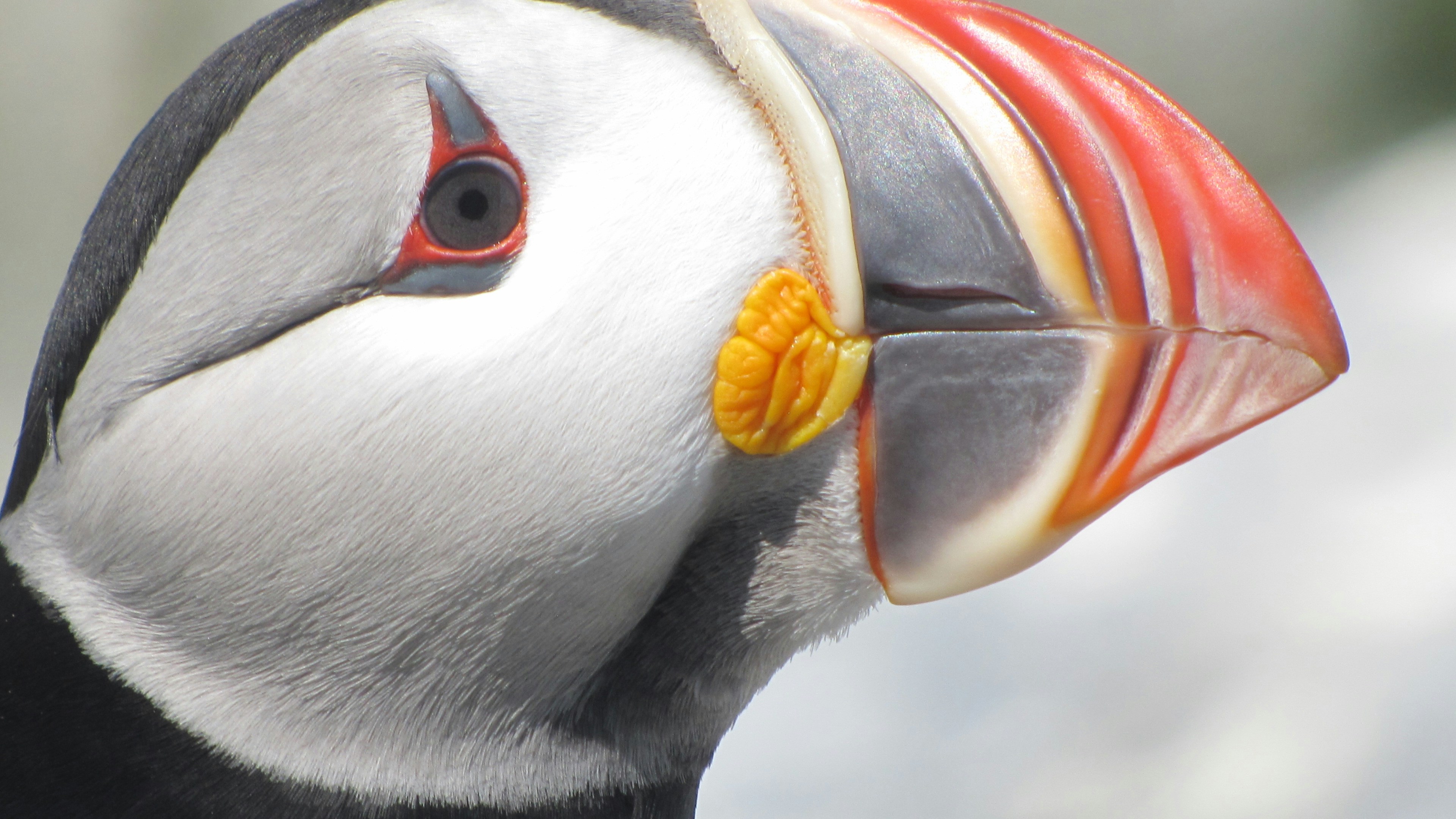
The Atlantic puffin spends most of its life at sea and comes ashore to breed on North Atlantic coasts, from Iceland and Norway to Ireland, Britain, Greenland, Canada and Maine. It catches small fish such as herring and sand eels and can hold several in its bill at once. The species was moved from Least Concern to Vulnerable in 2015. Watch in the video (0:19)
14. Victoria Crowned Pigeon (Near Threatened)
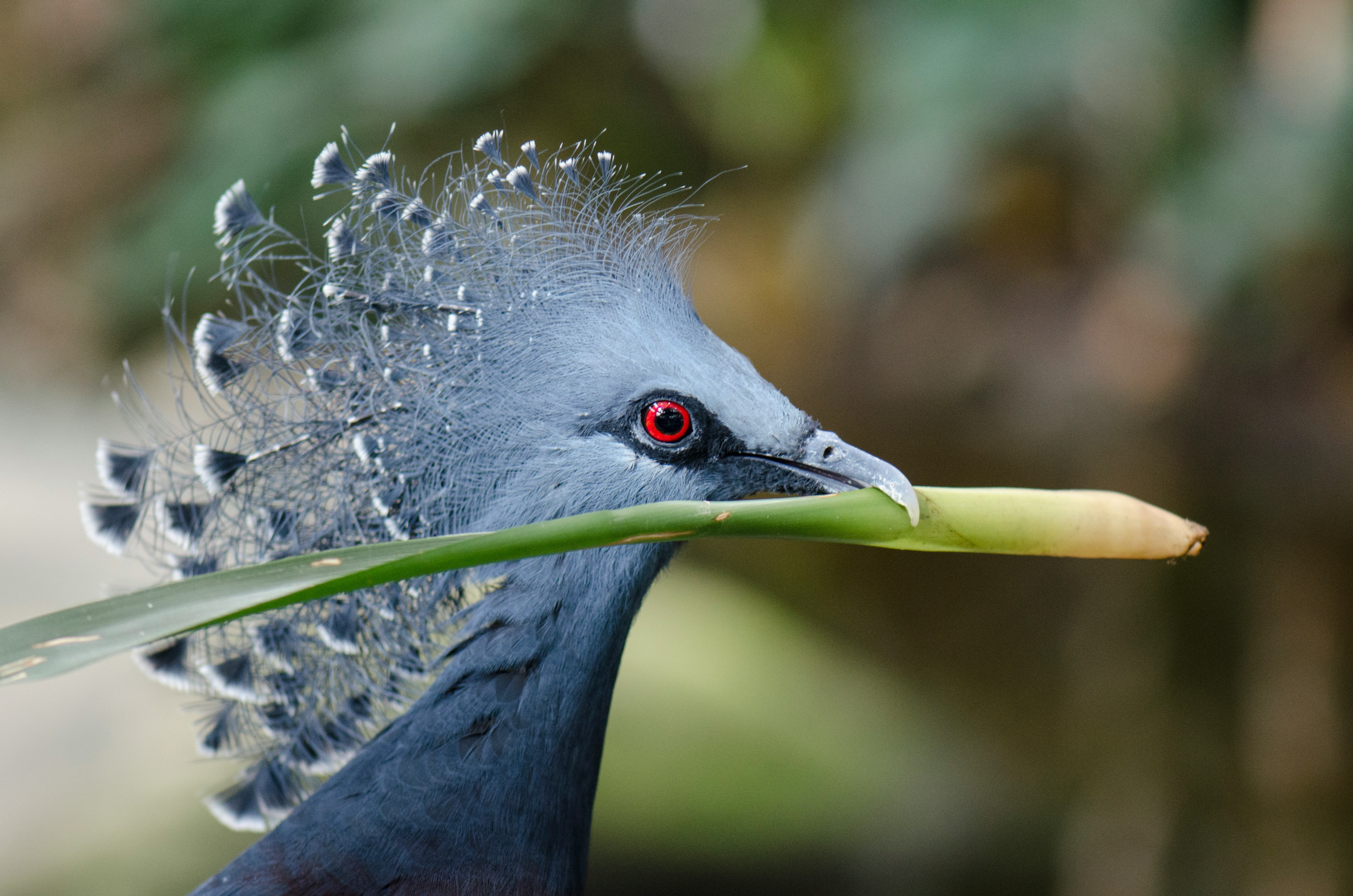
This is one of the largest pigeons in the world, roughly 2.5 feet (75 cm) long, and it wears a delicate fan-shaped crest. It lives in the lowland and swamp forests of New Guinea and is named after Queen Victoria. Watch in the video (0:39)
13. Rhinoceros Hornbill (Vulnerable)
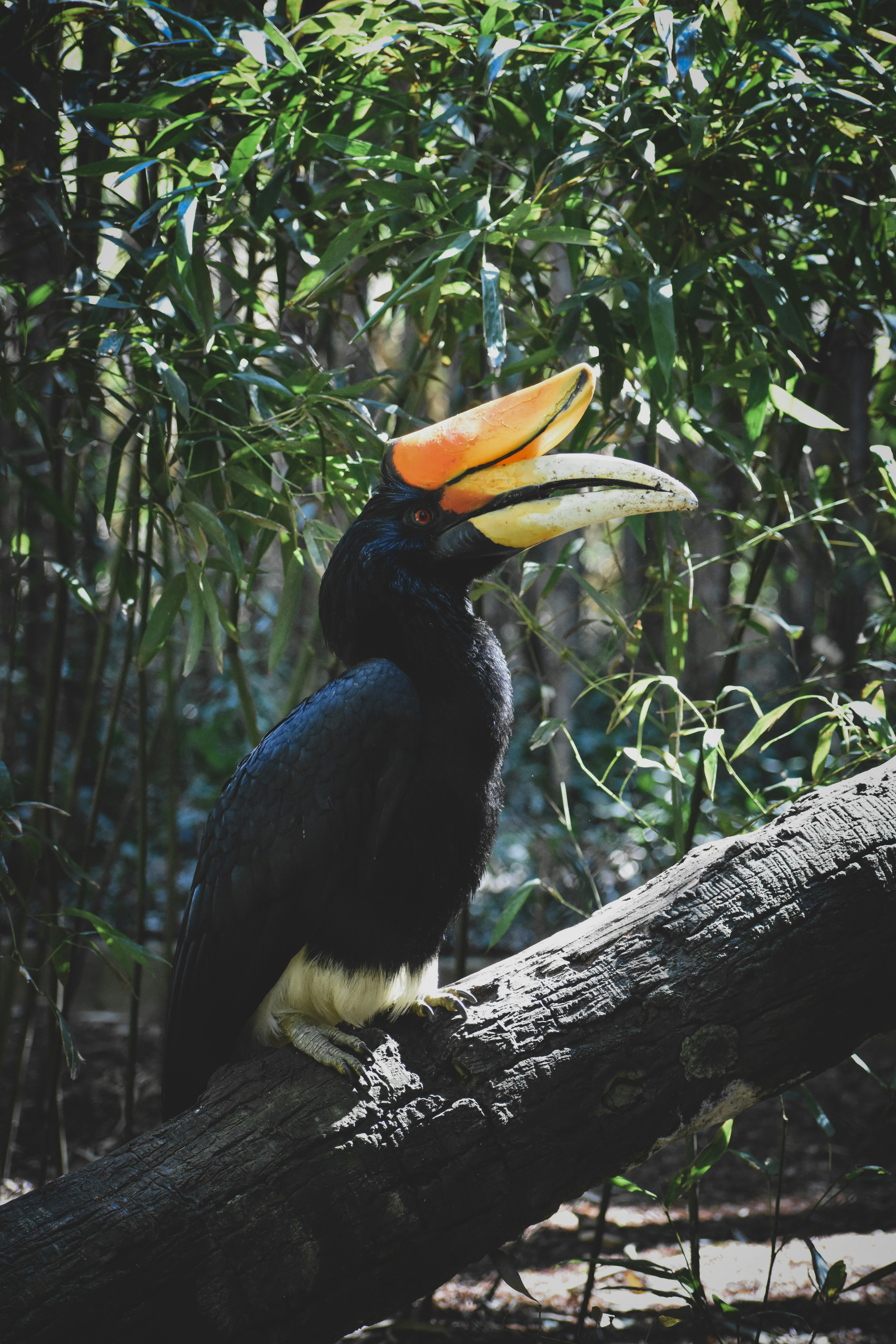
The rhinoceros hornbill is named for the large casque, a horn-like growth, on top of its bill. It is found in Borneo, Sumatra, Java and the Malay Peninsula, where it depends on tall forest. Watch in the video (1:00)
12. Great Hornbill (Vulnerable)
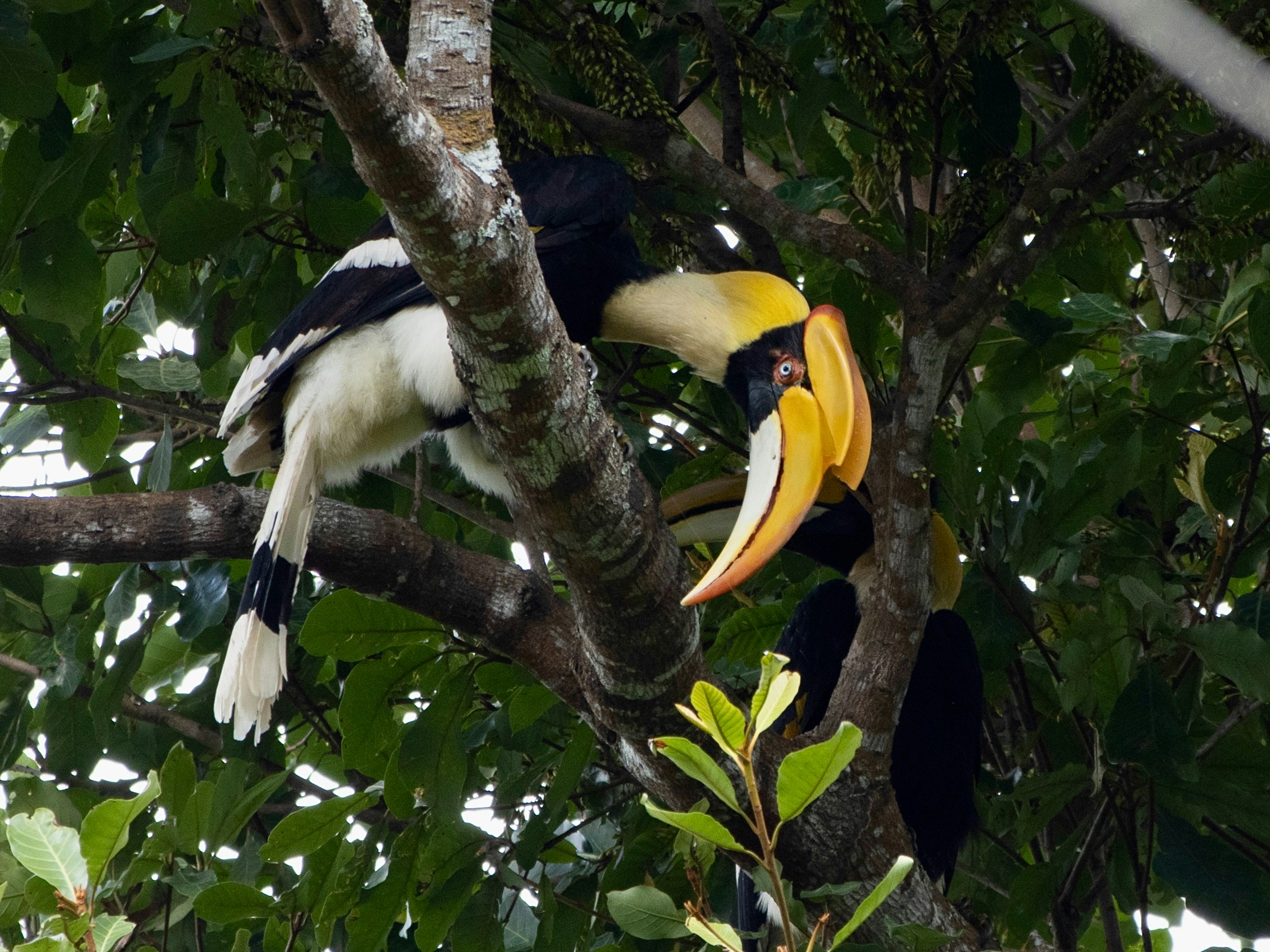
One of the largest hornbills, the great hornbill also carries a bold casque. Its range stretches across India, Nepal, Bhutan, mainland Southeast Asia and Sumatra. Watch in the video (1:21)
11. Resplendent Quetzal (Near Threatened)
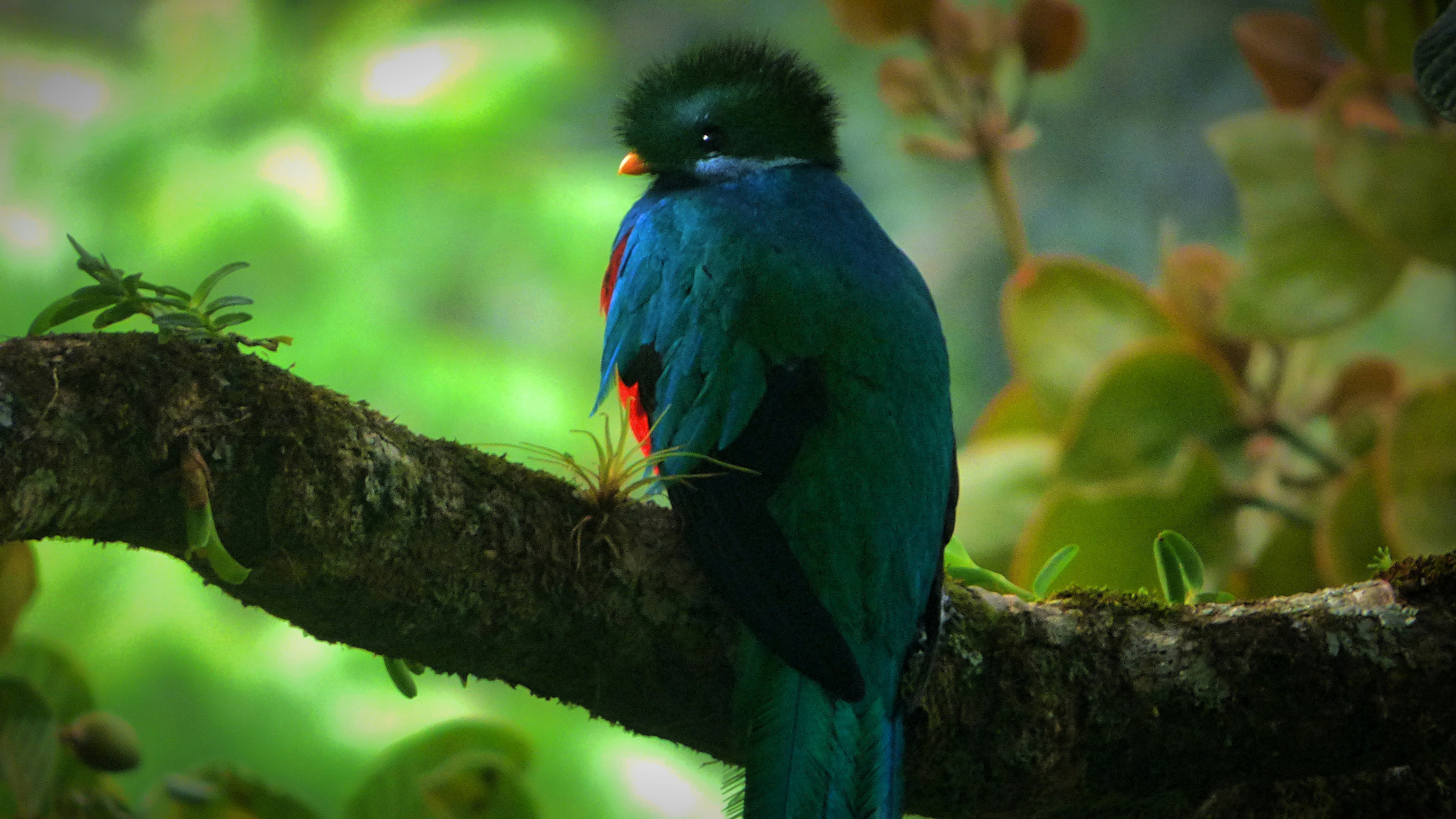
Males of the resplendent quetzal grow tail streamers up to about 3 feet (1 metre) long, which is why it is often named among the most beautiful birds in the world. It lives in the cloud forests of Central America, from southern Mexico to western Panama. Watch in the video (1:39)
10. Hyacinth Macaw (Vulnerable)
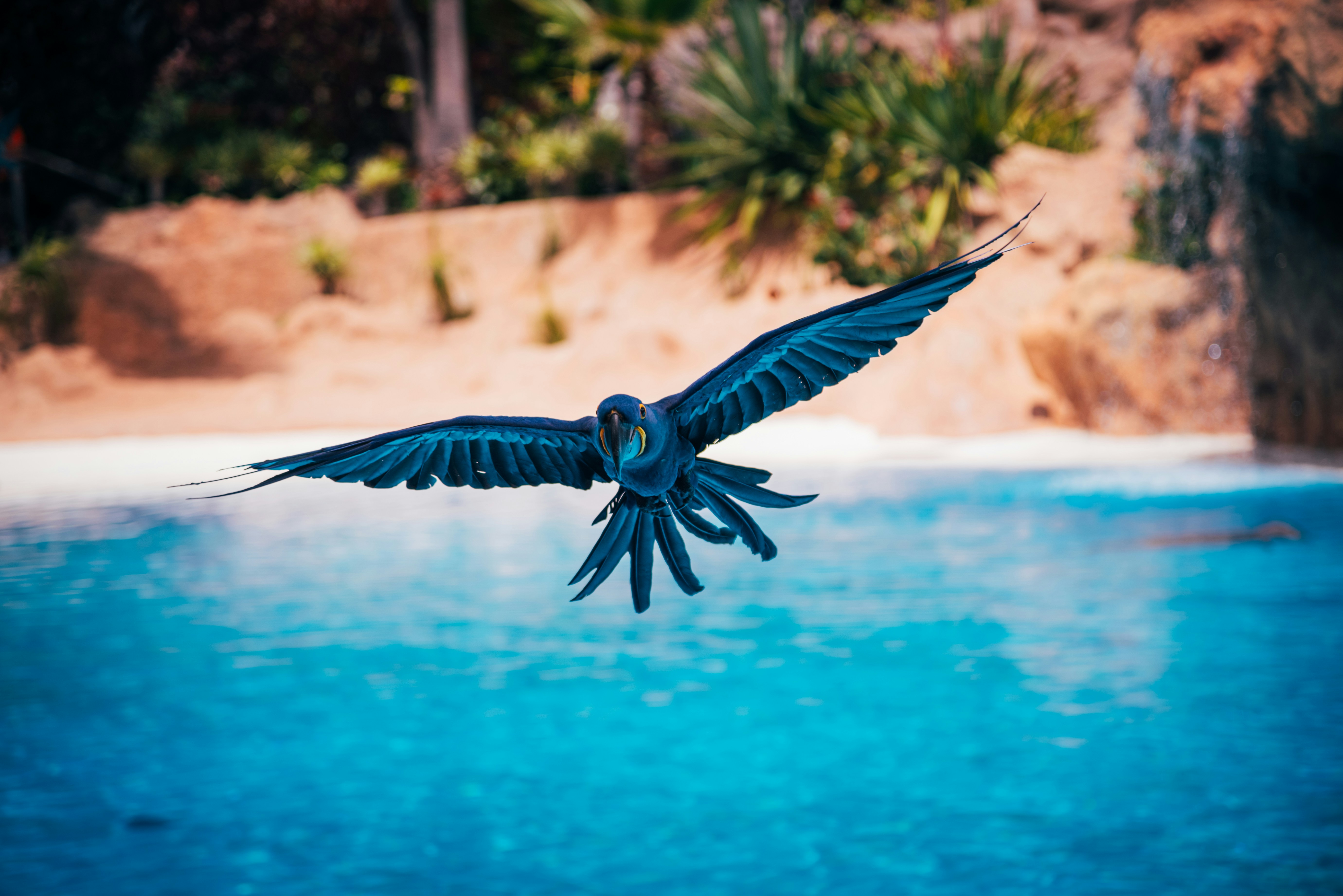
The hyacinth macaw is the largest flying parrot, about 39 inches (1 metre) long, with deep cobalt-blue feathers. Wild populations live in Brazil and Bolivia. Watch in the video (1:57)
9. Shoebill (Vulnerable)
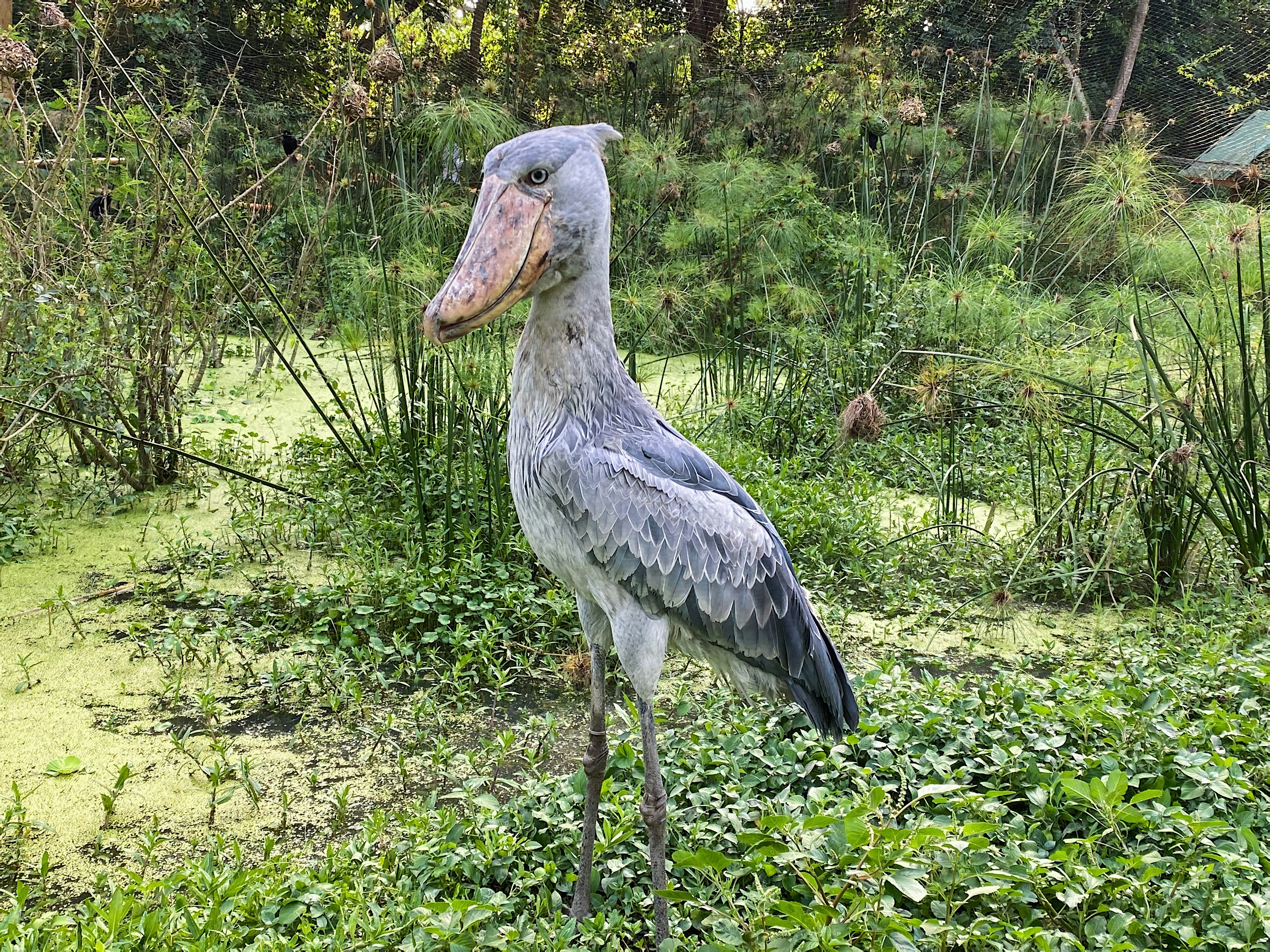
The shoebill stands roughly 4 to 5 feet (1.2 to 1.5 metres) tall and has a bill shaped like a clog. It hunts fish such as lungfish in the swamps of East Africa, belongs to a family of its own, and survives in the low thousands. Watch in the video (2:13)
8. Harpy Eagle (Near Threatened)
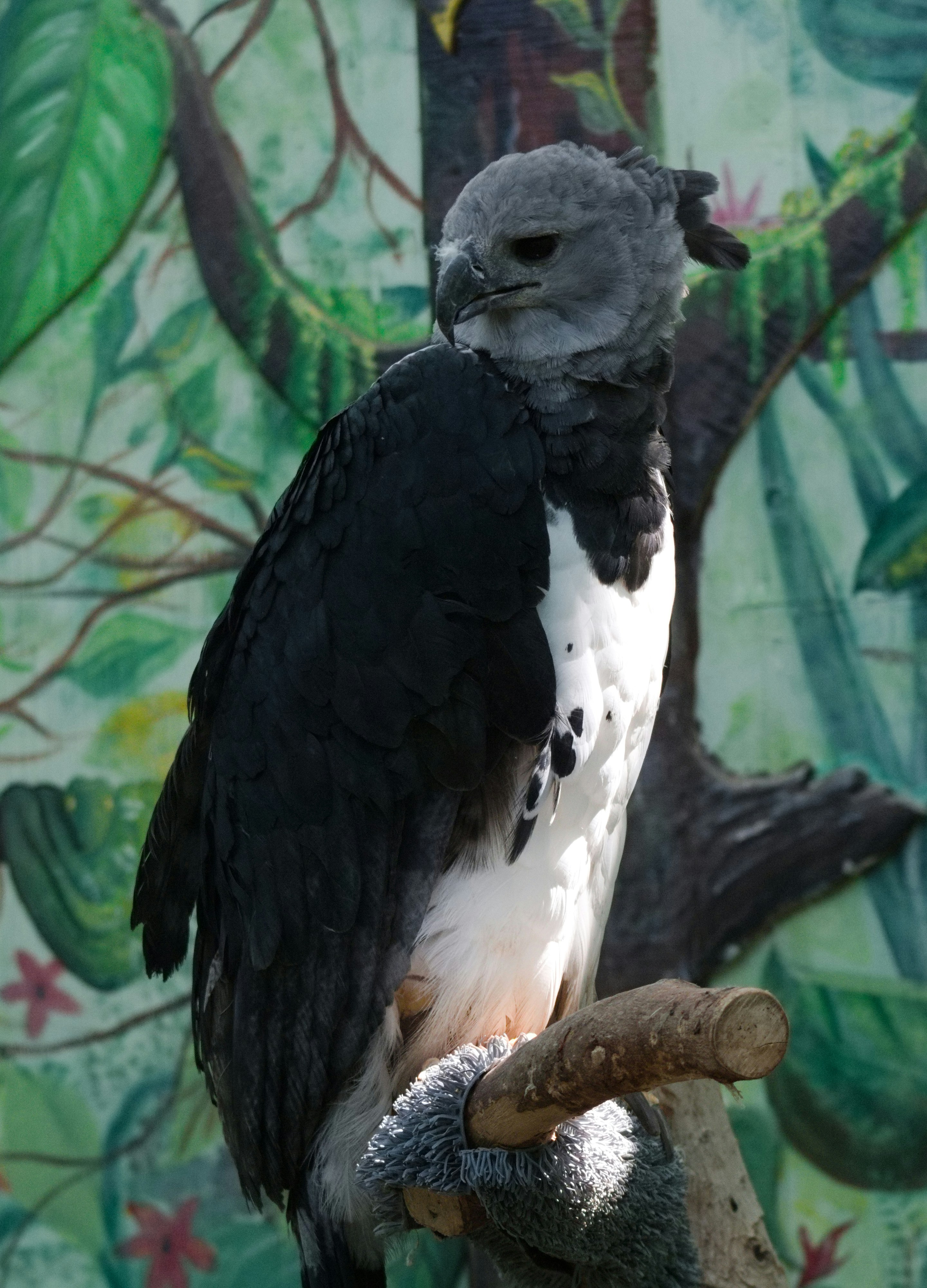
Among the largest eagles on Earth, the harpy eagle plucks monkeys and sloths from the treetops. It lives in the forests of Central and South America. Watch in the video (2:33)
7. African Grey Parrot (Endangered)
The African grey is among the smartest birds and one of the greatest mimics of human speech. Demand from the pet trade pushed it toward Endangered status, and in 2016 CITES banned international trade in wild-caught birds. It lives in the rainforests of central Africa. Watch in the video (2:54)
6. Secretarybird (Endangered)
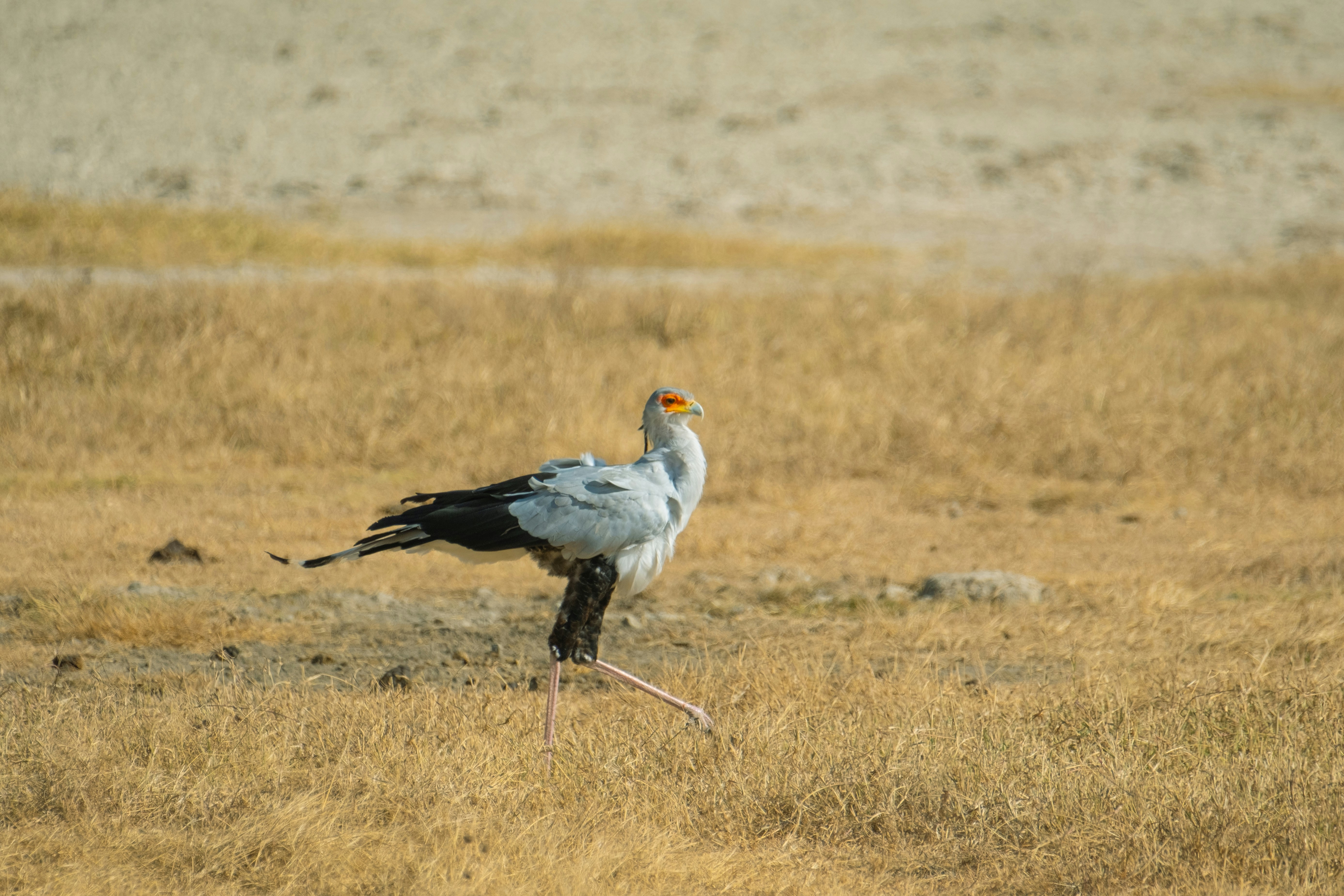
The secretarybird stands about 4 feet (1.2 metres) tall and stomps its prey on the ground. It was upgraded from Vulnerable to Endangered in 2020. It lives across sub-Saharan Africa, and snakes are less central to its diet than once believed. Watch in the video (3:16)
5. Red-Crowned Crane (Vulnerable)
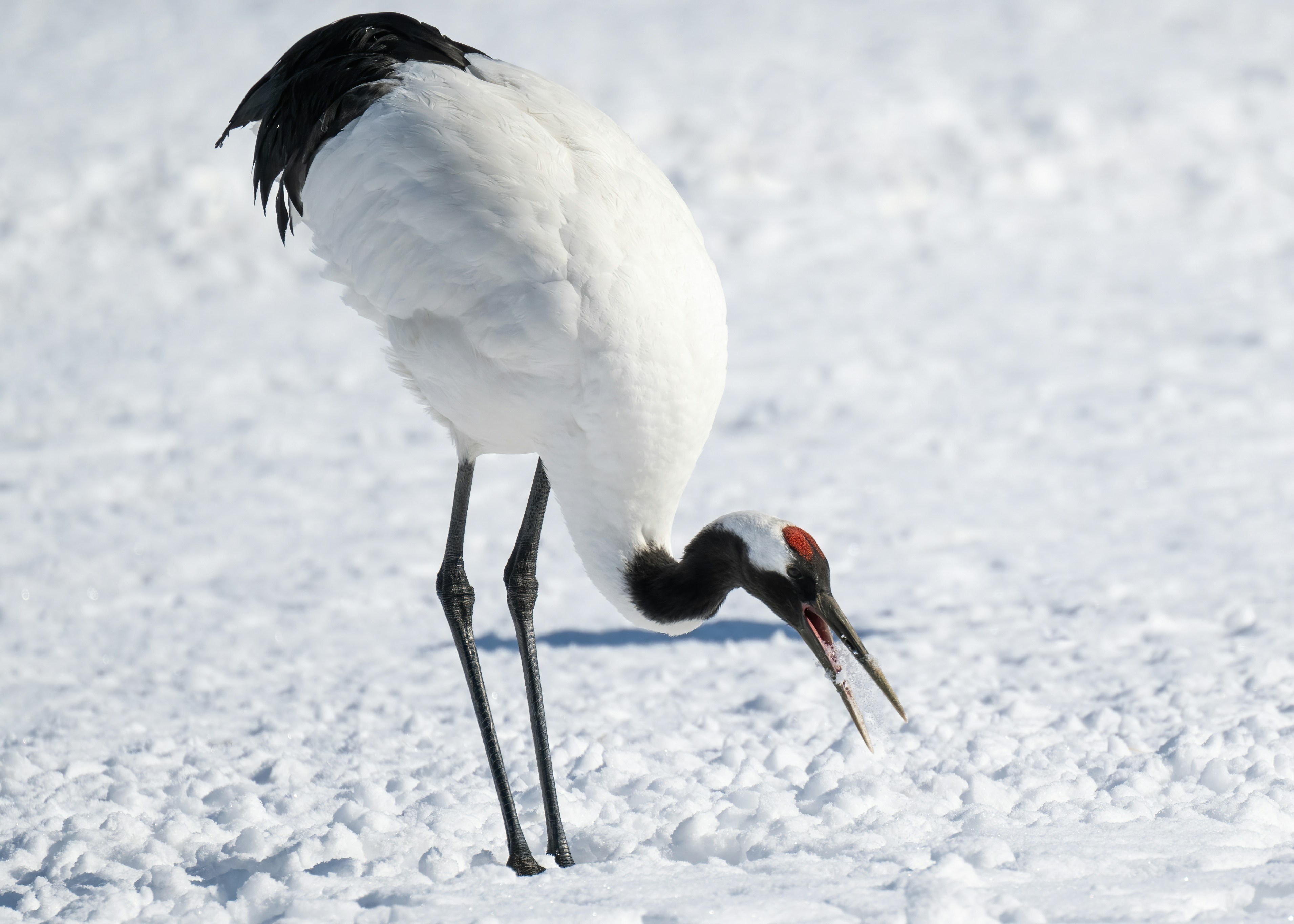
About 5 feet (1.5 metres) tall, the red-crowned crane is famous for its courtship dances. One population lives year-round on Hokkaido, Japan, while another migrates between Russia, China and Korea. Roughly two thousand adults remain. Watch in the video (3:35)
4. Northern Bald Ibis (Endangered)
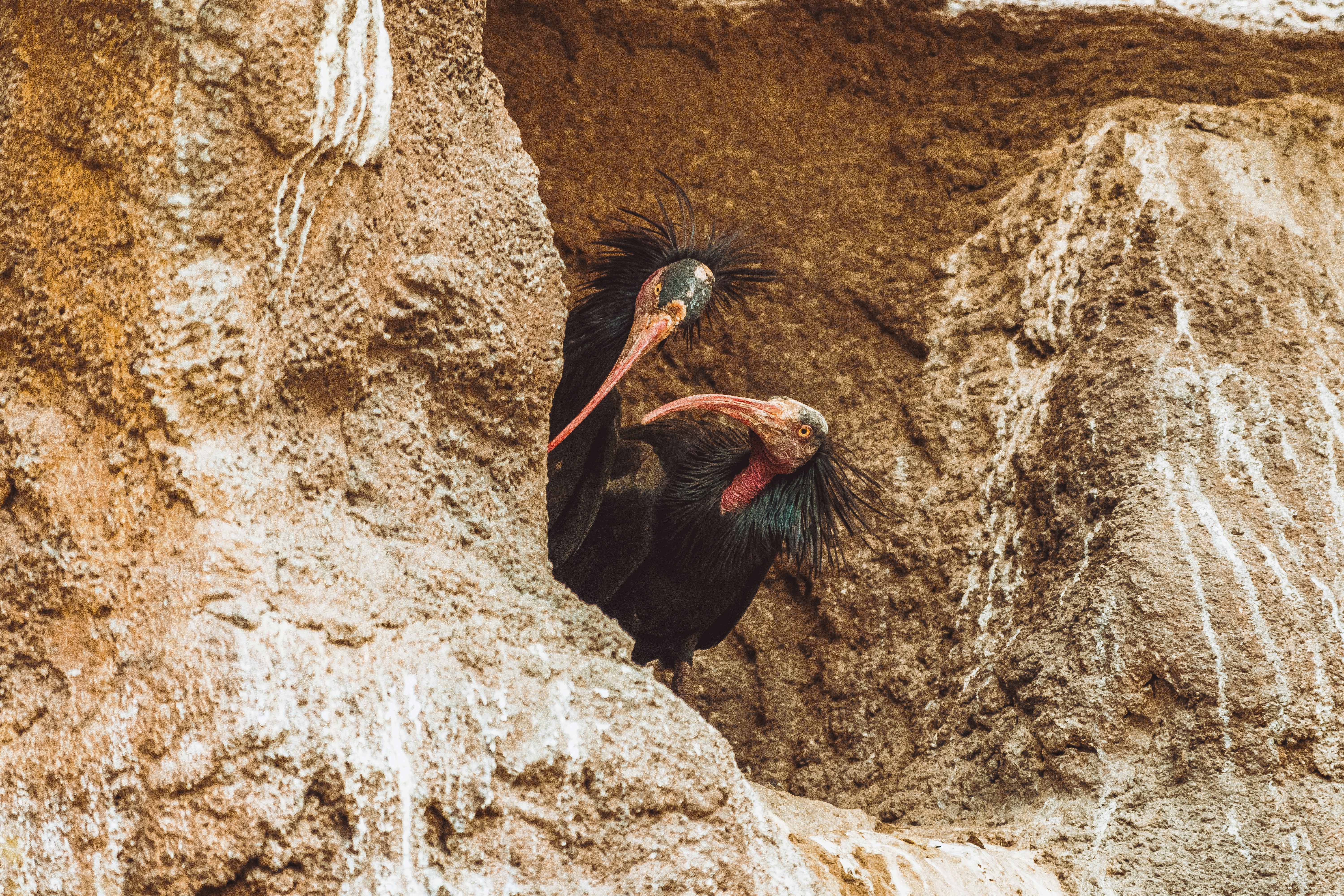
The northern bald ibis was once Critically Endangered and has since been moved to Endangered after conservation work. The wild breeding population is now found almost entirely in Morocco. Watch in the video (3:56)
3. Siberian Crane (Critically Endangered)
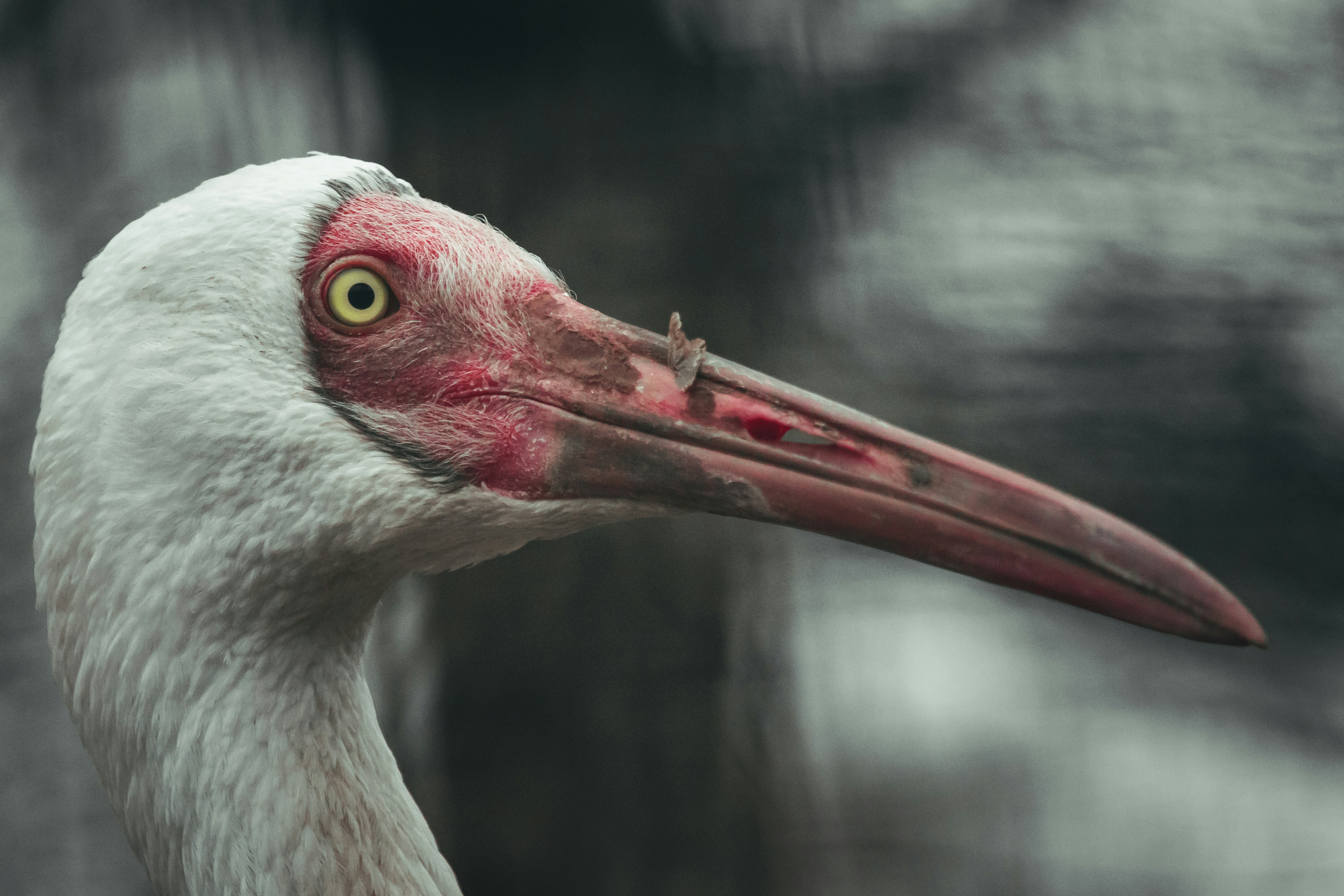
The Siberian crane is about 4 feet 7 inches (140 cm) tall, white with black wingtips and a bare red face. It breeds on the Arctic tundra of Russia and winters mainly at China’s Poyang Lake on the Yangtze River. Only one bird, named Omid, still winters in Iran. Watch in the video (4:25)
2. California Condor (Critically Endangered)
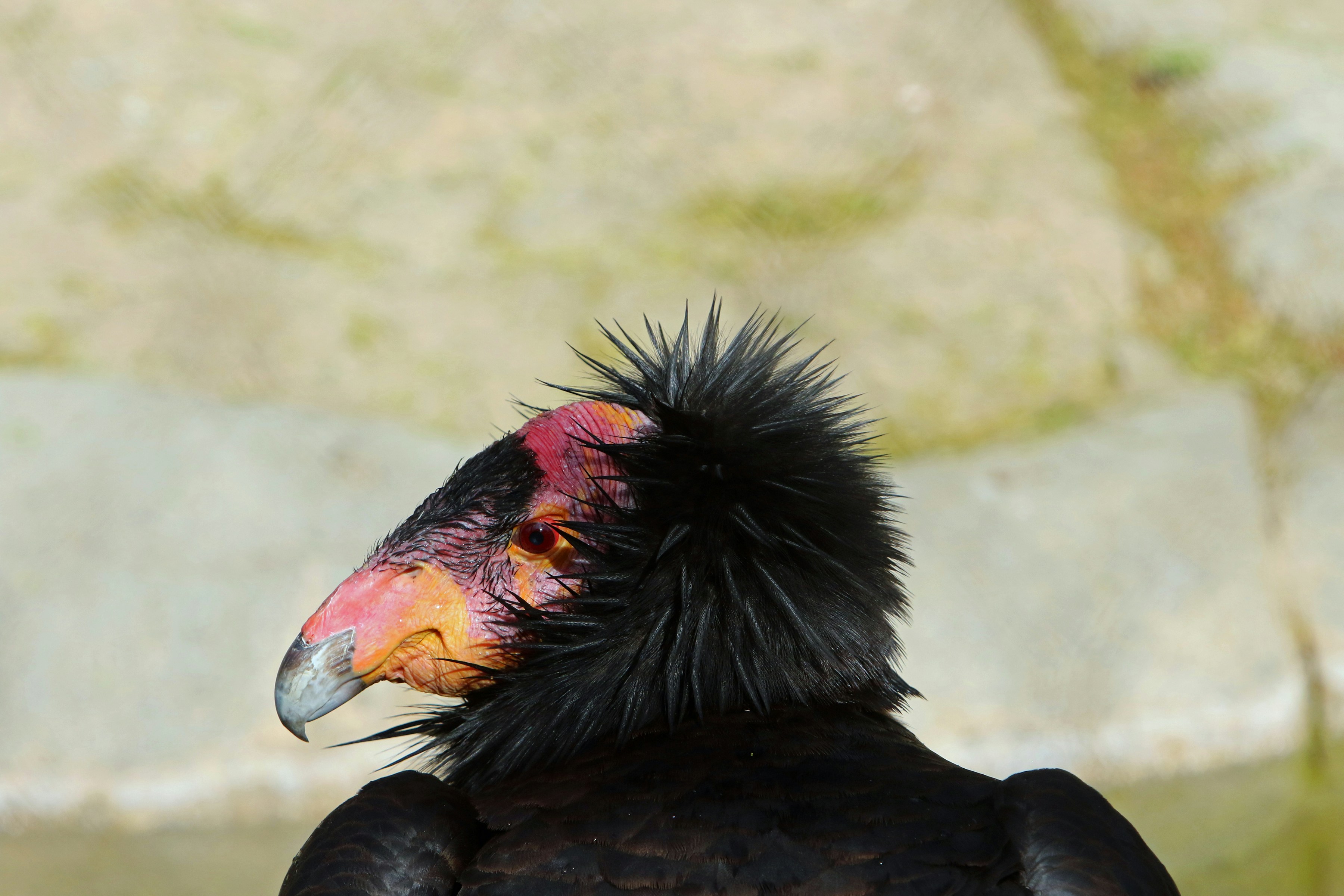
With a wingspan of about 9.8 feet (3 metres), the California condor has the widest wings of any bird in North America. Fewer than 30 birds were left in the 1980s, and by 1987 every wild condor had been taken into captive breeding. The female lays a single egg, and released birds now fly again in California and the Grand Canyon region. Watch in the video (4:43)
1. Philippine Eagle (Critically Endangered)
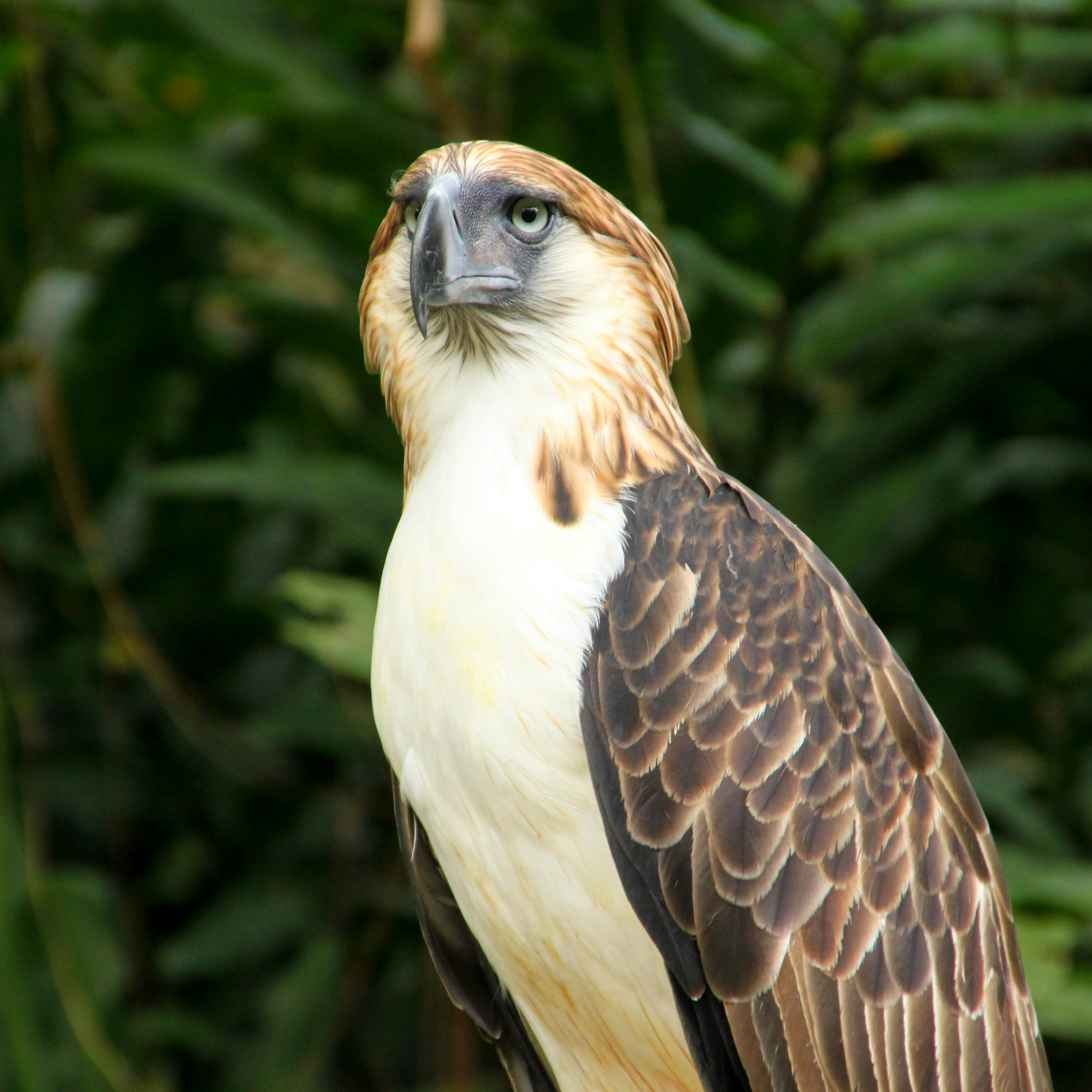
The Philippine eagle is the national bird of the Philippines (since 1995) and is found only on four islands: Luzon, Samar, Leyte and Mindanao. Its wingspan is roughly 6 to 7 feet (1.8 to 2.1 metres), and only a few hundred remain. It was once called the monkey-eating eagle, a name that is now considered a misnomer. Watch in the video (5:01)
Frequently asked questions about the rarest birds
What are the rarest birds ever featured in this list?
The Philippine eagle, the California condor and the Siberian crane. All three are rated Critically Endangered.
Which of the rarest birds on Earth has the widest wings?
The California condor, with a wingspan of about 9.8 feet (3 metres), the widest of any North American bird.
Which bird has recovered the most?
The northern bald ibis has been moved from Critically Endangered to Endangered, and the California condor has returned to the wild after captive breeding.
Why is the African grey parrot endangered?
Capture for the pet trade and loss of rainforest habitat. CITES banned international trade in wild-caught birds in 2016.
For readers who love birds and a message of hope:
Get The Story of Birds on Amazon
Get the Hope t-shirt on Amazon
Sources and further reading
- IUCN Red List of Threatened Species
- National Geographic: Birds
- World Land Trust
- International Crane Foundation
- Audubon Society
- The Peregrine Fund
- World Parrot Trust
- Columbus Zoo and Aquarium
- Oregon Zoo
Want more countdowns like this one? Subscribe to Mr Global Rankss on YouTube.


Leave a Reply