
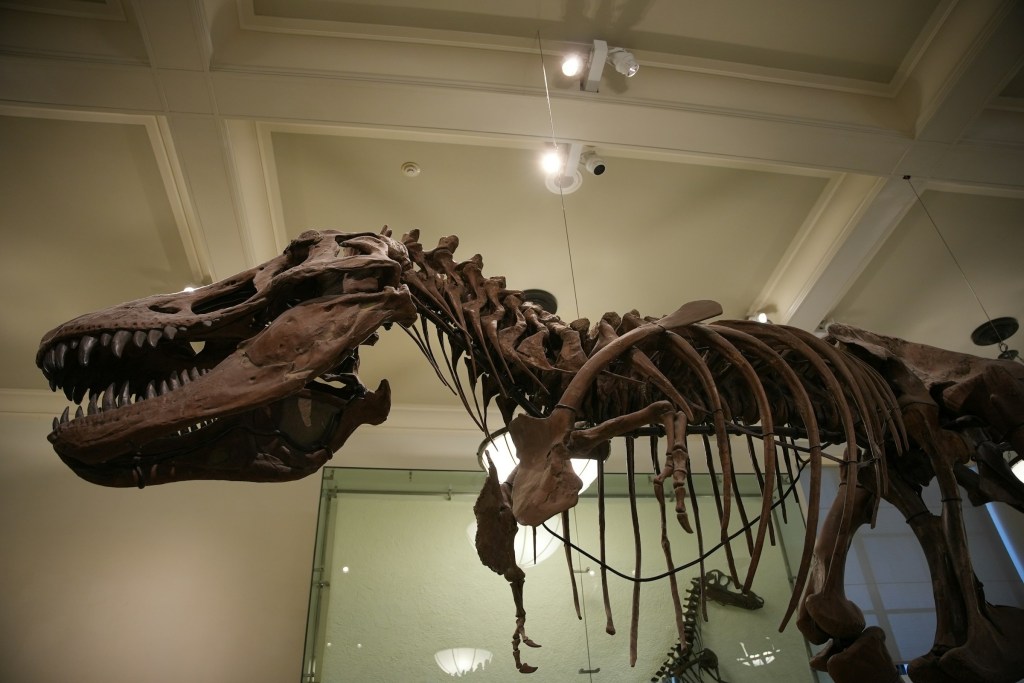
What killed the dinosaurs? The leading answer, backed by decades of evidence, is that a giant asteroid struck what is now Mexico’s Yucatán Peninsula about 66 million years ago. The impact set off fires, darkened the skies and collapsed food chains around the world, and every dinosaur except the birds disappeared. So, do we know for sure what killed the dinosaurs? Not every detail is settled, but the main answer rests on several separate lines of evidence. This guide follows our video on the last day of the dinosaurs and lays out the clues scientists used to piece the story together.
The short answer: what killed the dinosaurs was most likely an asteroid. An impact at Chicxulub, in what is now Mexico, ended the age of the dinosaurs. Huge volcanic eruptions in India were under way at the same time, but a 2020 study in the journal Science concluded that the impact, not the volcanoes, was most likely the main cause of the mass extinction.
Watch the full story below, then read on for the evidence behind each step. The dinosaur extinction is one of the best-documented events in Earth’s history, and it began with a thin layer of clay in the hills of Italy.
The dinosaur extinction at a glance: the key clues
| Clue | Where | What it shows |
|---|---|---|
| Clay layer | Gubbio, Italy | A thin clay band between two layers of limestone marks the end of the Cretaceous period |
| Iridium | The same clay layer | A metal rare in Earth’s crust but more common in space, pointing to an outside source |
| Chicxulub crater | Yucatán, Mexico | A buried crater about 180 km (110 miles) wide, formed about 66 million years ago |
| Tanis fossils | North Dakota, U.S. | Fish with tiny glass beads in their gills, buried in a rush of mud and water |
| Survivors | Worldwide | Small animals, and the birds, outlasted every other dinosaur |
How do we know what killed the dinosaurs?
The clay clue in Italy
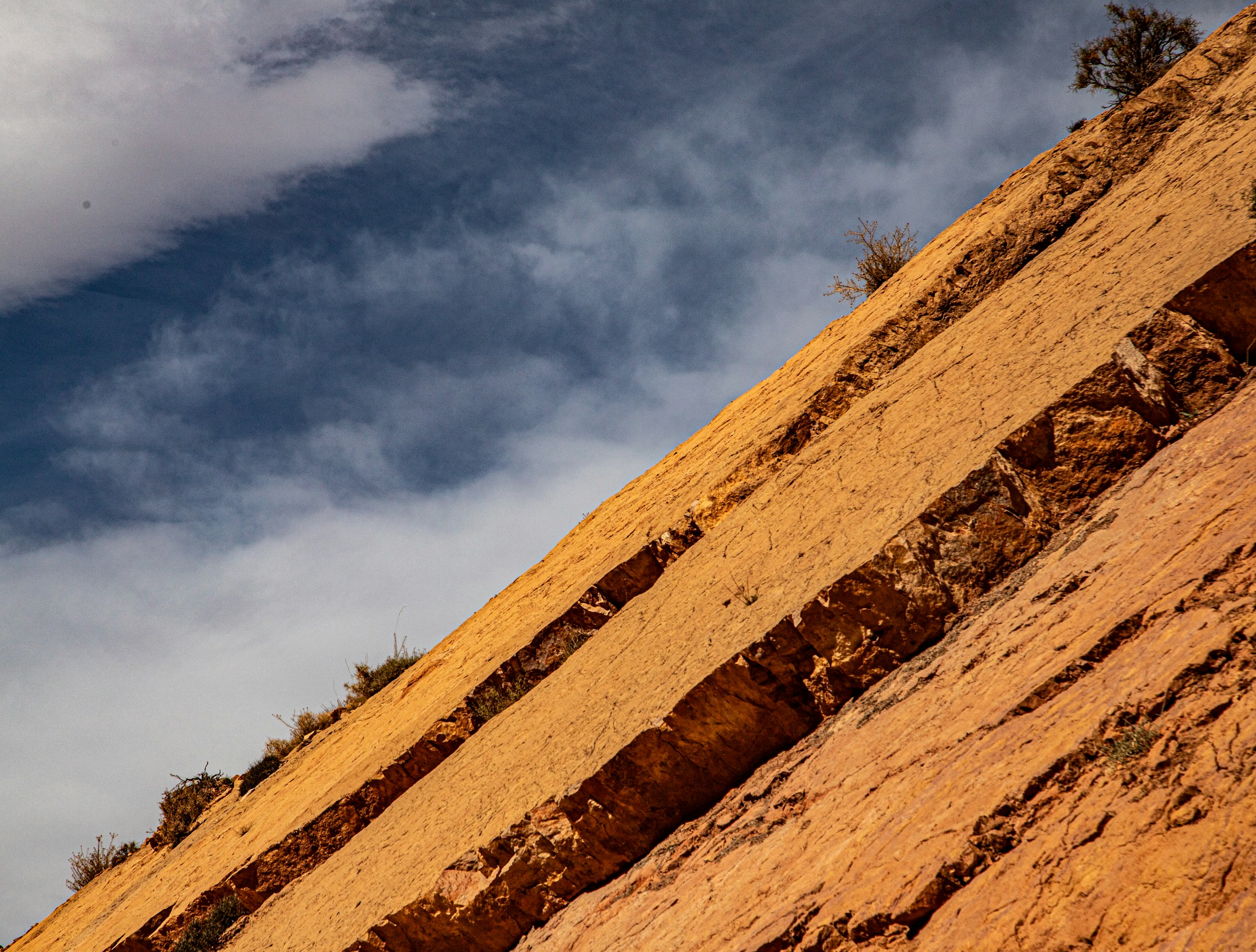
The story begins in Gubbio, a village in Italy about halfway between Rome and Florence. There, the geologist Walter Alvarez found a thin band of red clay sitting between two layers of limestone. The clay marked the boundary between the Cretaceous period and the one that followed, the moment when the great extinction took place. He found it in 1977, and his question was simple: how long did the clay take to form, and what did it say about how quickly the dinosaurs vanished?
The iridium test
To answer it, Walter turned to his father, the physicist Luis Alvarez, and together with the chemists Frank Asaro and Helen Michel they measured the chemistry of the clay. The result was striking. The layer was rich in iridium, a metal that is rare in Earth’s crust but far more common in space rock.
A bold idea
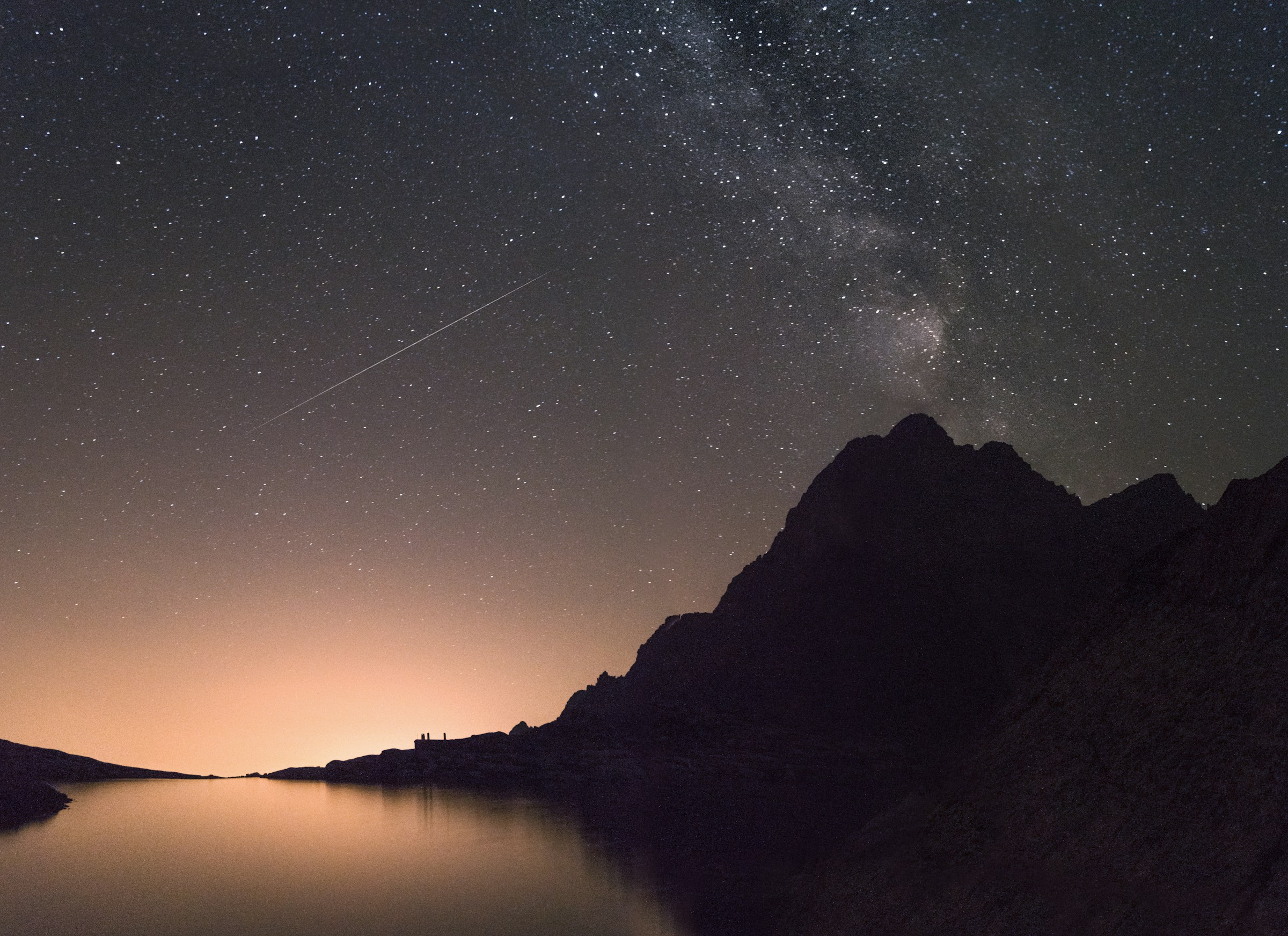
In 1980 the team published their conclusion in the journal Science, under the title “Extraterrestrial Cause for the Cretaceous-Tertiary Extinction.” Their proposal was that a huge asteroid had struck the Earth and that the iridium in the clay was the fallout from that impact. People often ask whether it was an asteroid or a meteor: the object was an asteroid, a rocky body from space, while a meteor is the streak of light seen when space rock burns up in the sky. It was a bold idea, because it meant the dinosaurs had not faded away slowly but had been undone by a single event from space. The one thing missing was the crater.
Where is the Chicxulub crater?
The crater was found, and it was hiding in plain sight. By the early 1990s scientists had tied the iridium clay to a buried impact structure off the northern coast of the Yucatán Peninsula, now known as the Chicxulub crater. It is about 180 km (roughly 110 miles) across and about 66 million years old, and part of it lies beneath the Gulf of Mexico.
In 2016 a team of scientists drilled into the heart of the crater, targeting a ring of hills inside it called the peak ring. Drilling there let researchers study rock that was thrown up from deep in the crust by the impact, and test how such a structure forms. The Chicxulub crater remains the key physical evidence for the asteroid that killed the dinosaurs.
The volcano debate: did eruptions kill the dinosaurs?
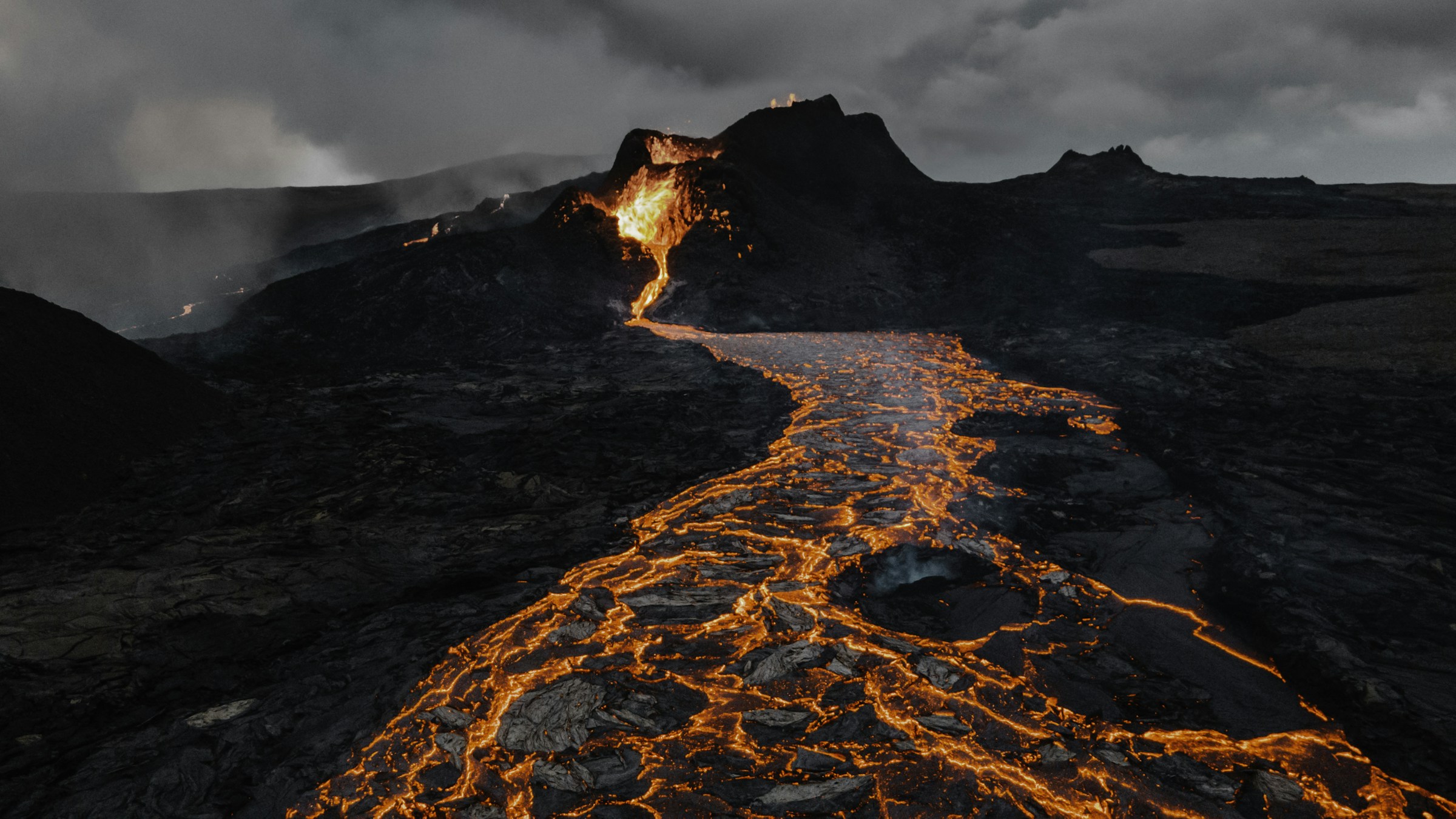
Among the theories about what killed the dinosaurs, not everyone accepted the asteroid at first, and there is a serious rival explanation. At about the same time, enormous lava flows called the Deccan Traps covered much of what is now western India. Volcanic gases can change the climate, so some researchers argued that the eruptions, not an impact, drove the extinction.
A 2020 study in Science, led by Pincelli Hull, tested the idea against temperature records from the deep sea. The team found that the warming linked to the volcanoes came well before the impact and that it did not line up with the die-off. More than 90 percent of plankton species vanished abruptly after the impact. The researchers concluded that the asteroid was most likely the main cause, and that the volcanoes mostly shaped how surviving life recovered.
The fish of Tanis: a snapshot of the impact?
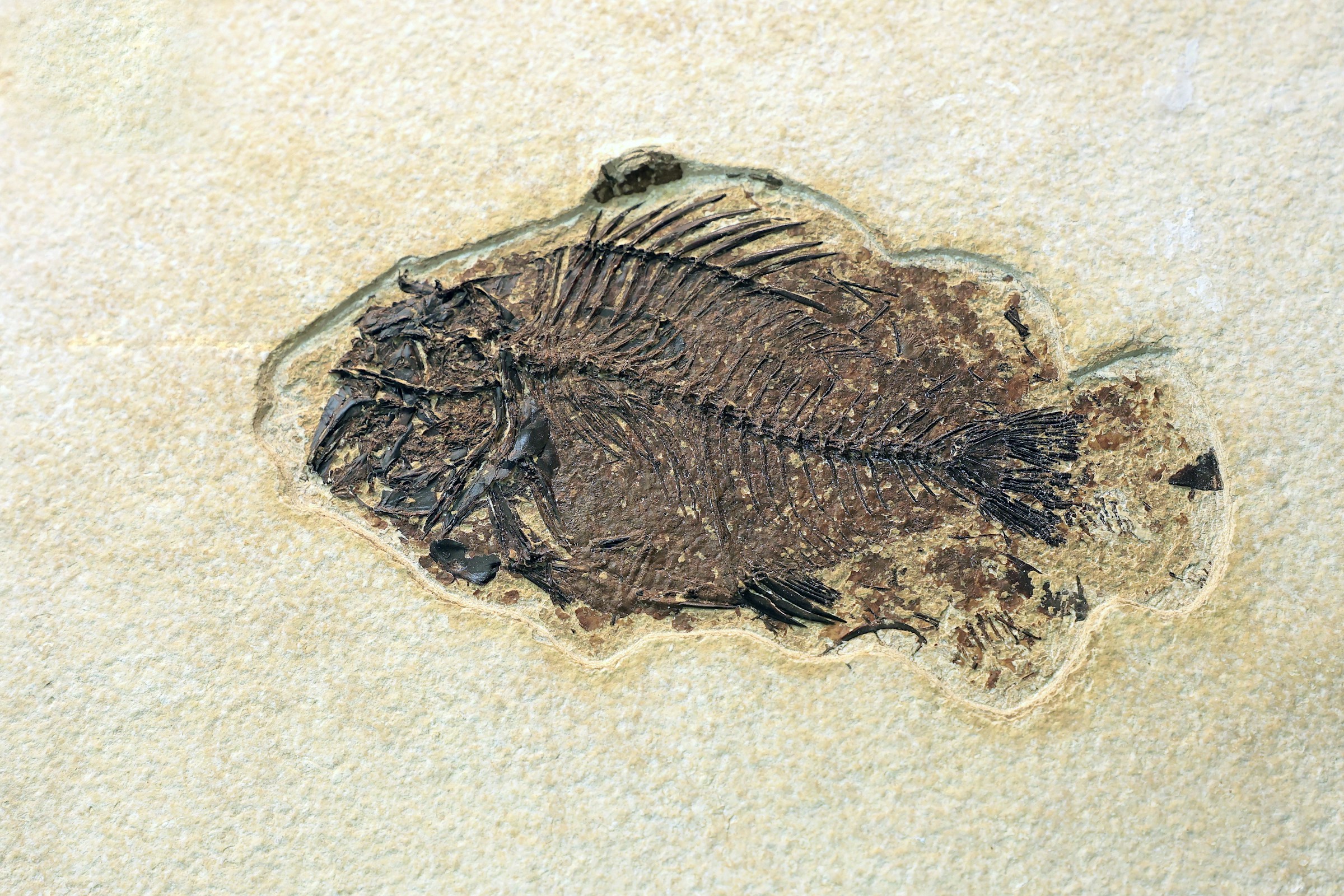
One of the most vivid clues comes from a fossil site called Tanis, in the Hell Creek Formation of North Dakota in the U.S. Led by the paleontologist Robert DePalma, researchers described a layer packed with fish, including sturgeon and paddlefish, in a study published in the Proceedings of the National Academy of Sciences in 2019. Tiny glass beads, formed when rock melted in the impact and fell back to Earth, were found in the gills of some fish, and an iridium-rich clay layer lies above the deposit.
The authors argued that seismic waves from the impact sloshed the local water and buried the fish within hours. Other scientists called the sequence plausible but noted that the exact timing is hard to verify, so it is best read as a strong clue rather than a proven stopwatch. A later study in Nature (2022) examined growth rings in the bones of Tanis fish, much like tree rings, and concluded that they died in spring in the Northern Hemisphere.
How the world changed after the asteroid hit
What killed the dinosaurs on Earth was not only the impact itself but the chain of events that followed. The asteroid was miles wide. Within minutes, hot glass and rock debris rained down and fires broke out, and animals in North America were hit especially hard. Farther away, dust and soot filled the air and blocked out the sky. With fires destroying plants and sunlight dimmed, plant-eaters starved, and soon the meat-eaters lost their food too. Estimates suggest that roughly 70 to 75 percent of species were lost.
Who died out, and who survived?
Who died out
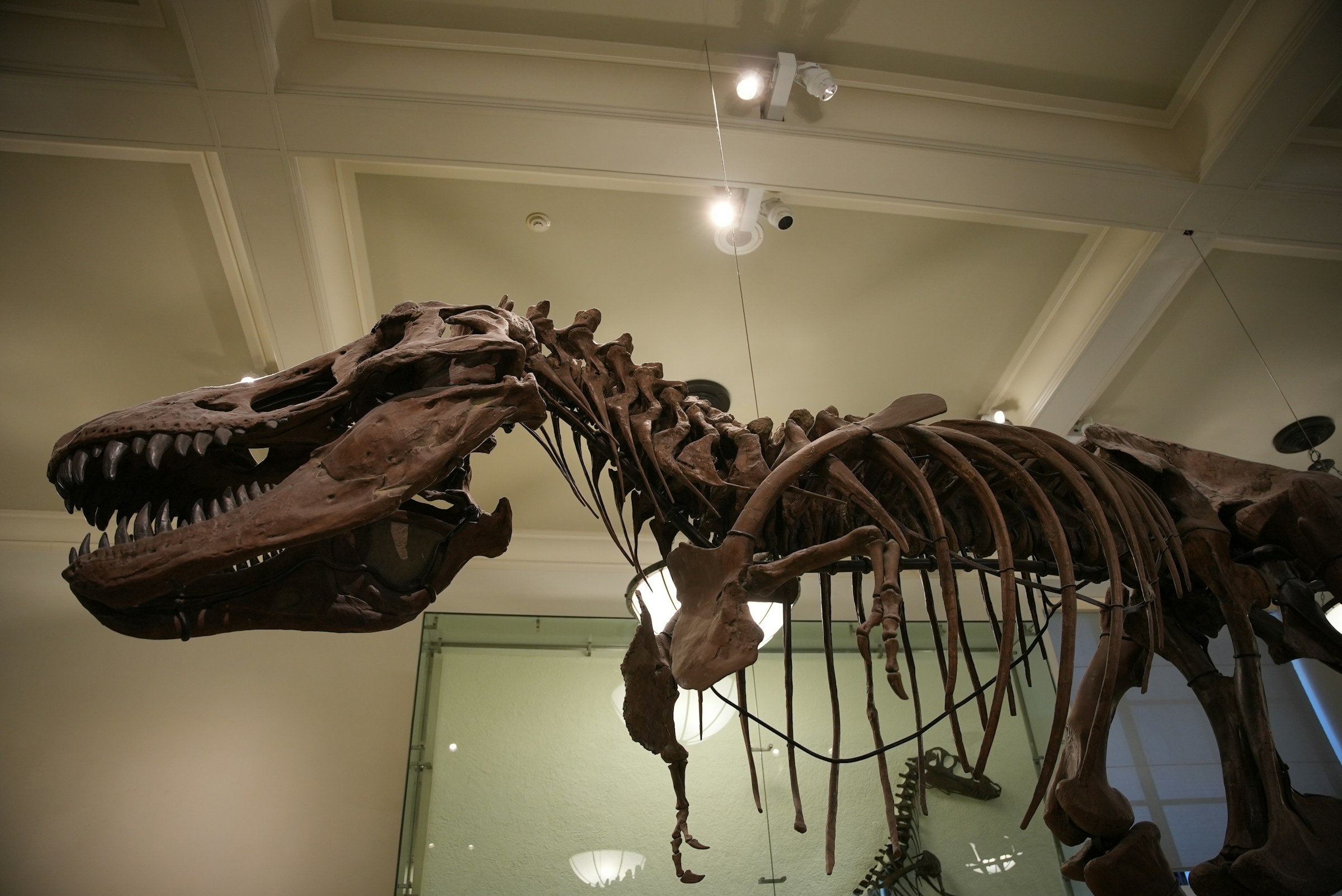
All the non-avian dinosaurs died out, including Tyrannosaurus rex and Triceratops. The seas lost as much as the land: more than 90 percent of the plankton species disappeared, which weakened ocean food chains from the bottom up.
Why big animals suffered most
Size was a handicap. On land, almost nothing larger than a beaver made it through, and paleontologist Nicholas Longrich has said there is no evidence of any animal over 10 kilograms (about 22 pounds) surviving. Small animals needed less food and found shelter more easily, and some could burrow underground while the surface burned.
Who survived
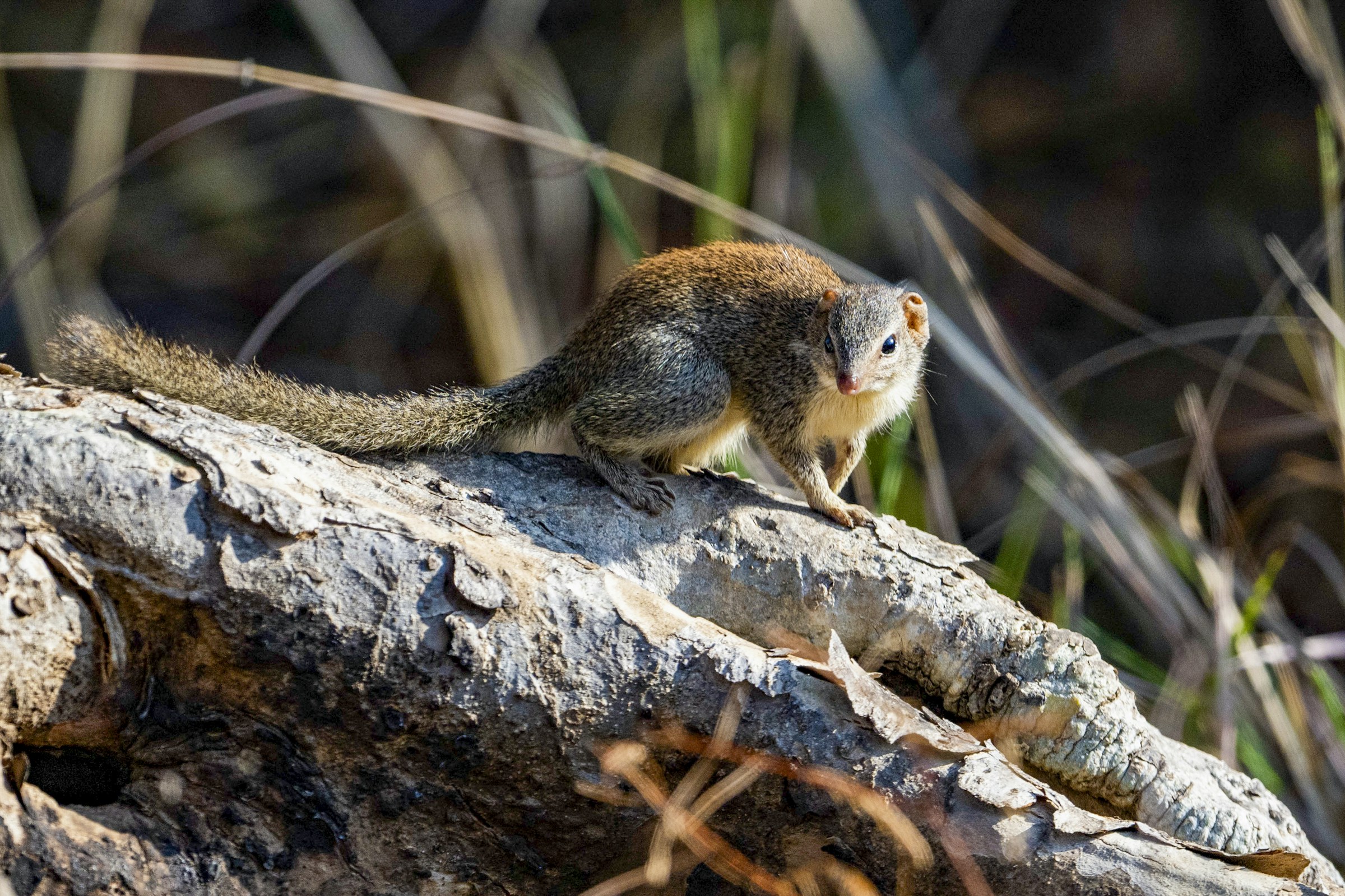
Survivors tended to be small, adaptable and able to eat almost anything. Some small mammals and crocodiles made it through, and turtles and salamanders fared best, losing only about a quarter of their species. Birds with beaks could eat seeds, a calorie-rich food that lasts for years, while toothed birds without beaks appear to have struggled and died out. Scientists are still debating exactly why some animals lived and others did not, and luck in surviving pockets of habitat probably played a part.
Are birds living dinosaurs?
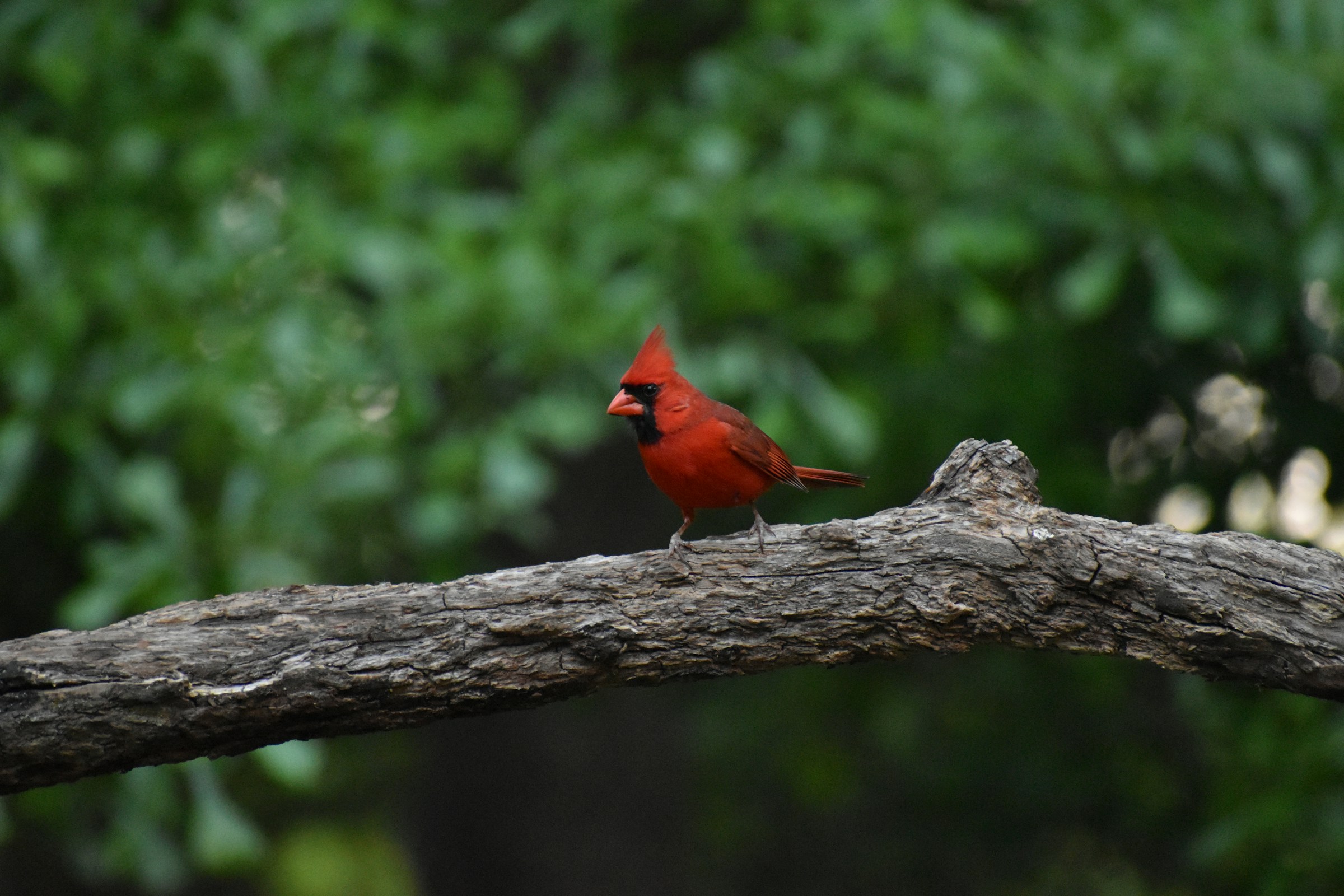
Yes. Birds are the only dinosaurs alive today. They descend from small, meat-eating theropod dinosaurs, the same group that includes Tyrannosaurus rex. Early birds such as Archaeopteryx, about 150 million years old, had feathers but also teeth, a bony tail and clawed wings; later birds lost their teeth and evolved beaks. Small size, a varied diet and the ability to fly probably helped one group of birds survive, and today there are at least 11,000 bird species. So the last day of the dinosaurs was not quite the end: the story goes on outside your window.
Frequently asked questions
What killed the dinosaurs?
An asteroid impact at Chicxulub, in what is now Mexico, about 66 million years ago is the leading explanation. A 2020 study found that the impact, not volcanic eruptions in India, was most likely the main cause.
When did the dinosaurs go extinct?
About 66 million years ago, at the end of the Cretaceous period.
How big is the Chicxulub crater?
About 180 km (roughly 110 miles) across. It lies buried beneath the Yucatán Peninsula and the Gulf of Mexico.
Did volcanoes kill the dinosaurs?
Probably not on their own. The Deccan Traps erupted around the same time, but a 2020 study found that the volcanic warming did not match the extinction, which followed the impact.
Did all the dinosaurs die?
All the non-avian dinosaurs died. Birds, which are dinosaurs, survived and today number at least 11,000 species.
For readers who like a bold dinosaur design
Get this T-Rex dinosaur t-shirt on Amazon
Get the Peace graphic t-shirt on Amazon
Related reading
If you enjoyed this story, you may also like The Rarest Birds in the World and Countries With the Most Natural Disasters. For more data-driven stories, subscribe to Mr Global Rankss on YouTube.
Sources and further reading
- Berkeley Lab: The Alvarez theory on dinosaur extinction
- What Is Missing: The Alvarez hypothesis
- Wikipedia: Walter Alvarez
- University of Leicester: The ring of a 180 km crater
- UT Jackson School of Geosciences: Drilling into the Chicxulub crater
- Quanta Magazine: A rapid end strikes the dinosaur extinction debate
- Science News: Volcanic gas bursts probably didn’t kill off the dinosaurs
- University of Washington: North Dakota site shows wreckage from the object that killed the dinosaurs
- Science News: New fossils may capture the minutes after the impact
- Uppsala University: The reign of the dinosaurs ended in spring
- WTTW: What happened after the asteroid hit
- Science News: With dinosaurs out of the way, mammals had a chance to thrive
- Natural History Museum: Why are birds the only surviving dinosaurs?
- RSPB: Birds, they’re small flying dinosaurs


Leave a Reply