
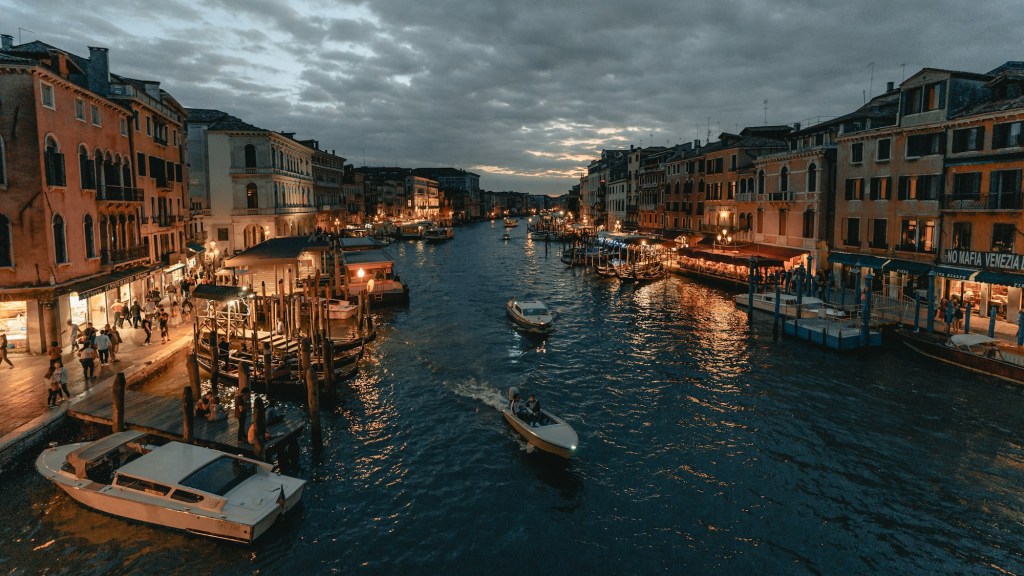
Italy in winter is a different country from the one in the summer postcards. The cold months bring cooler air, softer light and, in many cities, far shorter lines at the famous sights. This ranking counts down the best cities to visit in Italy in winter, from number seven to number one, with what to see in each, what the weather is like and why each one works in the cold season. Number one is the city we would book first.
7. Verona in winter
Verona is best known as the setting of Shakespeare’s Romeo and Juliet, a work of fiction. What is real is the Arena, a Roman amphitheater built in the 1st century AD on Piazza Bra, which forms the northern side of the square. The Arena is still in use today, and its busiest season is the summer performance season. In winter that season is over, so the Arena is easier to enjoy as a landmark, and the old city around it is a pleasant place to walk.
6. Milan in winter
Milan is known for fashion, but the Duomo is the sight that stops people in their tracks. Construction of the cathedral began in 1386, and its last portal was not inaugurated until 6 January 1965, a span of nearly 600 years. The exterior carries 135 spires, and the roof is open to visitors for a fee, so you can walk among them.
5. Naples in winter
Naples is loud, crowded and full of life, which is exactly why it works in winter. Across the bay, about 9 kilometers (5.6 miles) east of the city, stands Mount Vesuvius, the volcano whose eruption in AD 79 destroyed Pompeii and Herculaneum. Its most recent eruption began in March 1944.
In the historic center, Via San Gregorio Armeno is known as the street of the nativity workshops. Its artisans make handmade nativity figures, and the street is at its most colorful at Christmas, when it fills with visitors. It is also worth a visit in quieter months, when you can watch the craftspeople at work.
4. Florence in winter
Winter in Florence is cool rather than freezing. In January, daytime highs average about 52 degrees Fahrenheit (11 degrees Celsius), and nights drop to about 36 degrees Fahrenheit (2 degrees Celsius). Pack a warm coat and you can see the Renaissance city in comfort.
The star of the skyline is the dome of the cathedral, completed in 1436 to a design by Filippo Brunelleschi. It remains the largest masonry dome ever built.
Quick pause: if you could spend one winter weekend in any city on this list so far, which would you pick? Tell us in the comments on the video.
3. Bologna in winter
Bologna has something no other city here can match in winter: covered sidewalks. The city has about 62 kilometers (39 miles) of porticoes, and UNESCO added the Porticoes of Bologna to the World Heritage List on 28 July 2021. Whether it is raining or cold, you can walk much of the city and stay dry.
Look up and you will see the Two Towers. The Asinelli Tower rises about 97 meters (318 feet), and its neighbor, the Garisenda, stands about 48 meters (157 feet). Both lean, and the shorter Garisenda leans more.
2. Venice in winter
Every year in the days before Lent, Venice holds its famous Carnival. The earliest document linked to the festival dates from 1094. Napoleon banned it after conquering the Venetian Republic in 1797, and it was officially revived in 1979. The 2026 edition ran from 31 January to 17 February.
One winter quirk to know about is acqua alta, the high water that can flood low-lying parts of the city, mostly between October and January. It happens on only a few days a year and usually lasts a couple of hours as the tide rises and falls. Raised walkways are set up across the low squares, and rain boots are not required unless you want to wade through the water.
1. Rome in winter
Winter is Rome’s quiet season, and that changes everything. January and February bring the fewest visitors, and lines at the major sights are usually shorter, apart from the busy period around Christmas. In January, temperatures run from about 37 degrees Fahrenheit (3 degrees Celsius) at night to roughly 54 degrees Fahrenheit (12 degrees Celsius) by day, and it rarely drops below freezing.
The Colosseum, inaugurated in AD 80 under Emperor Titus, is far easier to enjoy without the summer crowds. Then walk over to the Trevi Fountain, turn your back to the water and toss a coin over your shoulder. As the tradition goes, it means you will return to Rome one day. With room to breathe, Rome feels as if it was built for exactly this season.
Which Italian city would you pick?
That is the list: Italy in winter, ranked from seven down to one. If you could only choose one, would it be Rome or Venice? Tell us in the comments on the video.
Frequently asked questions
What is the weather like in Italy in winter?
It depends on the city. In January, Rome runs from about 37 to 54 degrees Fahrenheit (3 to 12 degrees Celsius), and Florence from about 36 to 52 degrees Fahrenheit (2 to 11 degrees Celsius). Layers and a waterproof jacket suit those temperatures.
Is Italy crowded in winter?
Generally much less than in summer. Rome is at its quietest in January and February, though places get busier around Christmas and during Carnival.
What is the best city to visit in Italy in winter?
In our ranking it is Rome, followed by Venice and Bologna. Bologna’s covered porticoes make it a strong choice for rainy days.
When is the Venice Carnival?
It is held in the weeks before Lent. The 2026 edition ran from 31 January to 17 February, and the dates change every year.
Planning more trips? Browse our Travel articles, including Top 5 Places to Visit in Florida, and subscribe to Mr Global Rankss on YouTube for more countdowns.
The Hope & Peace Collection
Wear what you believe in
Two original designs, two words that say it all.
Sources
- Veneto Around Me: Arena di Verona
- Wikipedia: Piazza Bra
- Wikipedia: Milan Cathedral
- A View on Cities: Duomo di Milano
- EARTH Magazine: The Most Recent Eruption of Mount Vesuvius
- Wikipedia: Mount Vesuvius
- Naples Tourism: San Gregorio Armeno
- La Gazzetta Italiana: The Presepe Tradition of Naples
- Designing Buildings: Florence Cathedral
- National Geographic: This Renaissance Superdome Took More Than 100 Years to Build
- Climate-Zone: Florence Climate
- Meteonews: Climate Florence
- The Local: Bologna’s Porticoes Added to the World Heritage List
- Bologna Welcome: Porticoes of Bologna in the UNESCO World Heritage List
- Wikipedia: Porticoes of Bologna
- Wikipedia: Towers of Bologna
- Italy Review: Two Towers of Bologna
- Italiani: Two Towers, Asinelli Bologna
- Images of Venice: Origins and History of the Venice Carnival
- Italy Perfect: Carnival in Venice Past and Present
- The Local Italy: Venice Carnival 2026
- Flibco: Venice Carnival 2026 Dates
- Tuscany Now & More: Guide to Acqua Alta
- Go Ahead Tours: What to Know About Venice’s Flooding
- Rome.info: Colosseum History
- History Hit: The Colosseum
- Walks of Italy: Rome in Winter
- Rome Actually: Rome in Winter
- Walks of Italy: Trevi Fountain History and Lore
- In Your Pocket: Trevi Fountain


Leave a Reply