
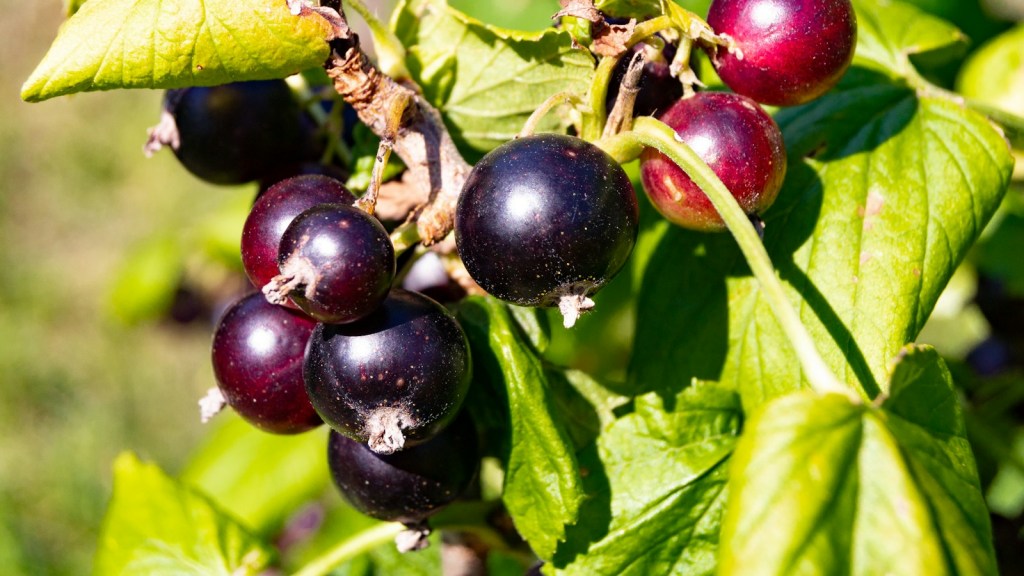
Are black currants banned in the U.S.? Not at the federal level anymore, but a patchwork of state rules still restricts them. Black currants were banned nationwide in the early twentieth century because the plants can carry white pine blister rust, a fungus that kills valuable pine trees. The federal ban was lifted in 1966, and control passed to the states, some of which still limit or prohibit the fruit today. This guide explains why the U.S. banned black currants, how the ban ended, and what the rules look like now.
The short answer: black currants were banned to protect white pine forests and the timber industry from white pine blister rust. The federal ban ended in 1966, but several states, including Massachusetts, Maine, Virginia, Michigan, New Jersey, North Carolina and New Hampshire, still restrict black currants in some way.
What is white pine blister rust?
White pine blister rust, caused by the fungus Cronartium ribicola, is a disease native to Asia that reached North America around 1900 on infected white pine seedlings grown in Europe. It was first found on eastern seedlings in 1909, and it has since spread to dozens of states, according to the U.S. Forest Service.
The fungus has an unusual life cycle. It cannot spread directly from one pine to another. Instead, it must alternate between white pines and plants in the genus Ribes, which includes currants and gooseberries. Spores from infected Ribes leaves land on nearby pines, and spores from the pines then infect more Ribes. On the pines, the fungus produces cankers that girdle branches and stems and often kill the tree, with seedlings and small trees dying fastest.
Why did the U.S. ban black currants?
Because black currants are among the most susceptible Ribes plants, they became the main target when officials tried to break the rust’s life cycle. White pine was the backbone of the timber industry in parts of the Northeast and Midwest, and loggers and lumber interests pressed for action. If the alternate host plants could be removed, the reasoning went, the disease could be slowed.
Sources vary on exactly when the ban began. Many place it around 1911, others cite the Plant Quarantine Act of 1912, and some local rules did not appear until the 1920s, so a safe summary is that the restrictions took shape in the early decades of the twentieth century. The Library of Congress notes that the start date is unclear and that notices from the 1930s exist as well.
When did the federal ban end?
The federal ban on growing black currants was lifted in 1966, according to Ambrook Research and the University of Wisconsin Extension, and the decision about whether to allow them passed to individual states. Cornell Chronicle, Modern Farmer and Virginia Cooperative Extension also give 1966. From that point, each state decided for itself, which is why the rules still differ so much from one state to the next.
Are black currants still banned in the U.S. today?
It depends on the state. Rules change, so check with your state’s department of agriculture before planting, but the following summaries come from state agencies and university extension services.
- Massachusetts: black currants are banned statewide, with no permit available. Red and white currants and some gooseberries are banned in listed towns and allowed elsewhere with a permit.
- Maine: planting or possessing European black currant is banned statewide, and other Ribes are banned in listed counties.
- Virginia: moving European black currant to any destination in the state is prohibited.
- Michigan: planting black currants is banned statewide except by permit, and only resistant varieties receive permits.
- New Jersey: a special permit is required for resistant or immune black currant varieties. Permits last five years, and plants must be destroyed if rust infection exceeds 2 percent.
- North Carolina: all currants and gooseberries, including black currants, are listed as dangerous plants, and nurseries cannot sell them.
- New Hampshire: planting requires a permit, and only listed varieties qualify.
- New York: the state repealed its ban in 2003. Under current law, cultivated black currants are allowed only if the variety is immune or resistant to the rust, and districts can be designated where they are allowed.
For Texas, California and Florida, popular search questions, we did not find a black currant restriction in the sources we checked. That is not a guarantee that none exists, so confirm with your state agriculture department or a local nursery before you plant.
How did New York bring black currants back?
The modern comeback has a clear starting point. Hudson Valley grower Greg Quinn pushed to repeal New York’s ban, and after checking with Cornell University researchers in 2002, the state Senate passed a bill in April 2003. Governor George Pataki signed it about five months later, according to Modern Farmer, and the Cornell Chronicle also reports the 2003 repeal. Growers in New York and a few other states have since planted resistant varieties and begun selling black currant juice and other products.
Are there rust-resistant black currants?
Yes, with a caution. Varieties bred in Canada, including Consort and Titania, are the best-known resistant types, and Virginia Cooperative Extension rates Titania as nearly immune and Consort as resistant. Black September and pure Ribes nigrum are rated as highly susceptible.
Resistance is not permanent, though. In 2008, Titania was found infected in Connecticut by a mutated strain of the fungus. Cornell researchers later explained that the so-called immune varieties share a single resistance gene, which the mutant strain defeats. Infected plants were found in Connecticut and New Hampshire, and the strain had not been confirmed elsewhere at the time of that report. Regulators in some states responded by tightening their approved variety lists.
Frequently asked questions
Why are black currants banned in the U.S.?
Because they can host white pine blister rust, a fungus that kills white pines and threatened the timber industry. The disease must alternate between pines and Ribes plants, so removing the plants was meant to slow it.
Are black currants still banned in the U.S.?
Not federally. The federal ban ended in 1966, but states set their own rules, and several still restrict or prohibit black currants.
Can I buy black currants in the U.S.?
Yes, in many places, usually as juice, jam or plants of approved varieties. Where planting is restricted, check your state’s rules first.
If you enjoy explainers like this, browse more in our Facts section and subscribe to Mr Global Rankss on YouTube for more science, history and rankings.
Related reading: whether it is illegal to collect rainwater, why there are 50 states and why Lincoln was not on the ballot in Southern states.
Sources
- U.S. Forest Service: White pine blister rust threat
- Library of Congress: America’s blackcurrant ban
- Ambrook Research: The loneliest fruit
- University of Wisconsin Extension: Currants
- Modern Farmer: A once forbidden fruit makes a resurgence
- Cornell Chronicle (2006): Black currant ban repeal
- UMass Extension: Currants and gooseberries in Massachusetts
- Maine Department of Agriculture: White pine blister rust
- Virginia regulation 2VAC5-450-40
- Michigan MDARD: Plant pest quarantines
- New Jersey regulation N.J.A.C. 2:20-2.3
- NC State Extension: Can I grow gooseberries or currants in NC?
- New Hampshire Division of Forests and Lands: Permits


Leave a Reply