
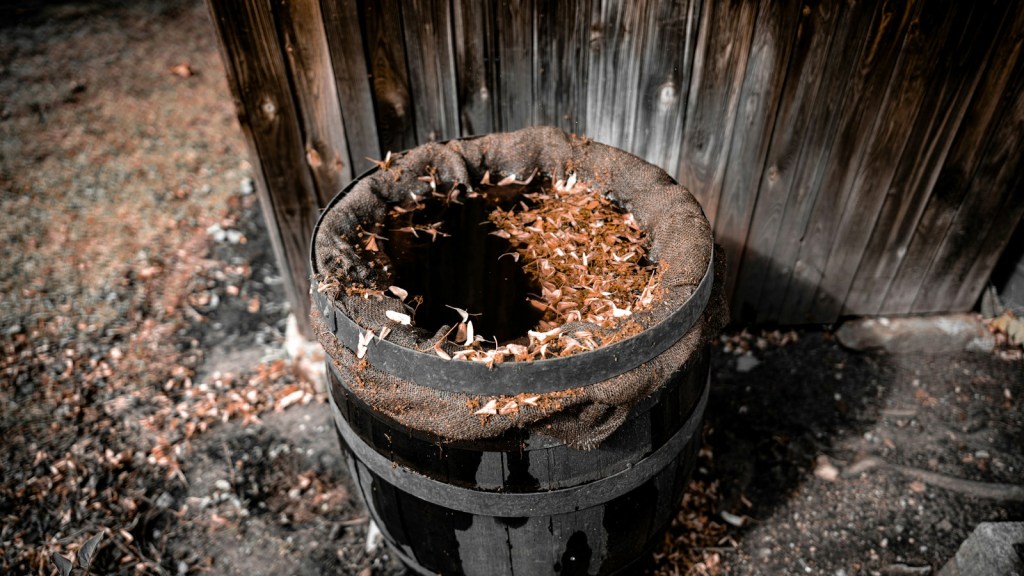
How many states in America is it illegal to collect rainwater? A 2026 state-by-state guide reports that collection is legal in all 50 states, so the honest answer is none. The confusion is understandable, because several Western states do regulate how much rain you may store, where you may use it and whether you must register. Colorado limits a typical household to 110 gallons, and Utah asks for registration once your containers grow beyond a certain size. This guide explains what those laws actually say, why they exist, and what you can safely do with the water you collect.
The short answer: no U.S. state bans rainwater collection outright. Colorado, Utah and Washington each set conditions, and the details differ, so check your own state and county before you install a barrel or a tank.
Is it illegal to collect rainwater in the U.S.?
Not in the way the internet often suggests. Headlines about “illegal rain barrels” usually describe old or misunderstood rules, mostly in the arid West, where water is scarce and carefully allocated. A 2026 guide to rainwater laws by state, last updated in May of that year, states that no state makes collection illegal and lists only conditions on size, use and registration. The three state agencies and universities we checked for this article agree in practice: each describes a lawful way to collect rain from a roof.
The word that matters in almost every rule is “regulated.” A state can allow collection and still decide how many gallons you may store, whether the water may be used indoors, and whether you must keep it on the same property where it fell. Those three questions explain nearly every headline about rainwater laws.
What does Colorado allow?
Colorado is the state most often cited, and its rule is specific. Under House Bill 16-1005, a household may keep up to two rain barrels with combined storage of 110 gallons or less. The law covers single-family homes and multi-family buildings with four or fewer units. The water must come from a rooftop downspout, and it may be used only outdoors, for example on a lawn, garden or plants, on the same property where it was collected.
Each barrel needs a sealable lid. Colorado State University Extension also points out two legal limits that surprise people. First, using a rain barrel does not create a water right. Second, if a senior water right holder can prove that barrels reduce the water they are entitled to, the State Engineer could curtail individual barrels. Drinking the water and using it indoors are not allowed under this law.
Colorado has two other rules for special cases. Rural residents with an exempt well permit, or who are entitled to one, can apply for a rooftop precipitation collection permit from the Division of Water Resources, which has no barrel size limit but restricts the water to the uses listed on the well permit. Developers may run approved pilot projects that harvest rainwater for non-essential use inside a subdivision. Individual homeowners cannot use that route.
What are Utah’s rules?
Utah takes a registration approach. According to the Utah Division of Water Rights, you may collect and store rainwater without registering if you use up to two covered containers and neither holds more than 100 gallons. If you want more storage, you register the system with the Division. Registration is free, and the total storage allowed with registration is no more than 2,500 gallons.
The same land rule appears again: collection and use must stay on the same parcel where the water is captured and stored. The registration form asks for the size of the storage, the address of the system and a valid email address, and it returns a certificate that you should keep for your records. In practical terms, Utah treats a pair of small barrels as ordinary, and treats a larger tank as something the state wants to know about.
What about Washington State?
Washington is on the permissive side. The Department of Ecology says you generally do not need a water right permit to collect rainwater from your rooftop. The conditions are familiar: the water must be used on the property where it is collected, and collection is allowed only from existing structures that serve another purpose, such as a house or a shed. If collection is found to harm existing water rights in an area, local restrictions can apply to new systems.
Ecology adds that using rainwater inside the home requires approval from your local building department and must follow the Uniform Plumbing Code. A system that supplies more than a small amount of irrigation also calls for a larger cistern. The agency does not publish a gallon limit for barrels, and it offers a rainwater harvesting calculator that uses local rainfall, roof size and intended use to size a system.
Why do rainwater laws exist at all?
The short version is that, in dry regions, nearly all the water that flows through a river is already spoken for. Farms, cities and other users hold rights to it, and rain that falls on a roof would, in the ordinary course, run toward a stream. The Colorado rule about senior water rights reflects that idea: lawmakers wanted to protect existing rights while still letting households water a garden. That is why the rules are strictest in places with the least water, and why they focus on volume, location and use rather than on banning collection itself.
Is collected rainwater safe to drink?
Not without treatment. Colorado State University notes that untreated rainwater from a roof is not safe to drink. Washington’s Department of Ecology says the state Department of Health treats rainwater as surface water and that collected rainwater often has significant contaminants that must be removed before it is safe to drink. Roofs collect bird droppings, dust and debris, which is one reason legal rules in several states limit rain barrels to outdoor irrigation.
Practical tips for collecting rainwater legally
Start with your state’s water agency and your county, because local rules can be stricter than the state’s. Use a barrel with a sealable lid, keep the water on your own property, and keep it for outdoor use unless your local building department approves indoor plumbing. Colorado State University also recommends emptying barrels at least monthly, and disconnecting them if you will be away for more than a week, to prevent mosquito breeding. In Colorado, homeowners associations cannot ban rain barrels, although they may set reasonable rules on where a barrel sits and how it looks.
Frequently asked questions
Is it illegal to collect rainwater in Colorado?
No. Most Colorado households may keep up to two rain barrels holding 110 gallons combined, collected from a rooftop downspout and used outdoors on the same property.
Can I go to jail for collecting rainwater?
The agencies we checked describe permits, registration and size limits, not criminal penalties for ordinary rain barrels. Because rules differ by state and county, confirm the details with your state water agency.
Do I need to register rainwater collection in Utah?
Only if you go beyond two covered containers of 100 gallons or less each. Registration is free, and total storage with registration is limited to 2,500 gallons.
Can I drink rainwater from my roof?
Not safely without treatment. Roof runoff can carry contaminants, and several agencies advise using barrel water for gardens and landscaping instead.
If you enjoy explainers like this, browse more in our Facts section and subscribe to Mr Global Rankss on YouTube for more science, history and rankings.
Related reading: the tallest waterfall in the U.S., how Inuit igloos stayed warm at -50C and the countries with the most natural disasters.


Leave a Reply