
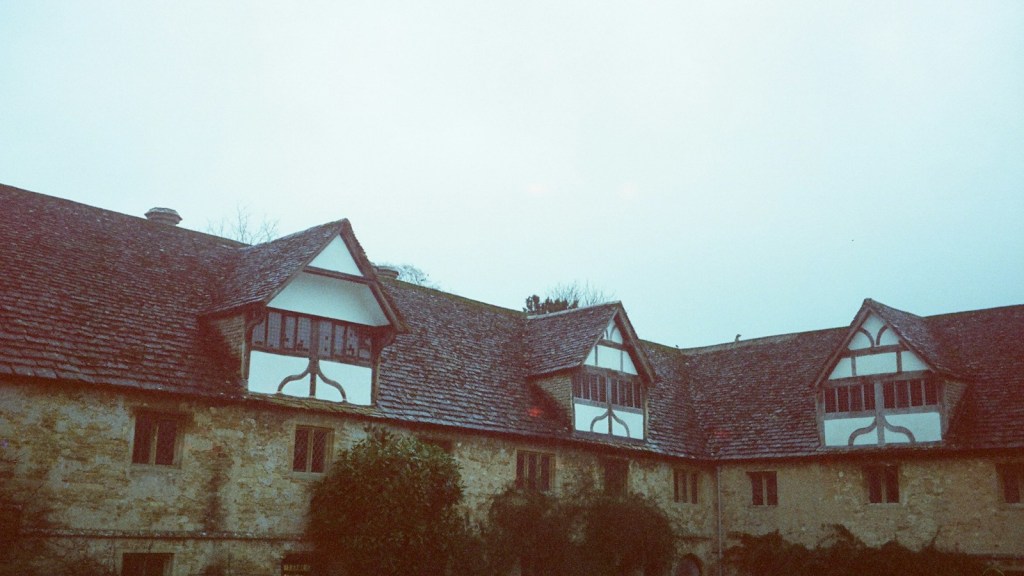
People in the 1500s did not shower. In Tudor England, most people washed their face and hands regularly, rubbed the body with a coarse cloth, and kept clean by changing the linen shirts and smocks worn next to the skin. Full baths happened, but they were occasional, and many doctors warned that hot water could let illness in.
The history of the shower is longer and odder than most people expect. The idea of water falling from above is ancient, but it vanished from daily life in Europe for centuries before returning. This guide explains how people stayed clean in the 1500s, why they feared baths, what happened to the public bathhouses, how the wealthy bathed, and where in the world bathing stayed an everyday habit.
Key facts at a glance
- Standing showers were not part of ordinary 16th-century homes.
- Clean linen worn next to the skin was the main way Tudors “cleaned” the body.
- Doctors such as Thomas Moulton, in 1545, warned that baths could open the pores to disease.
- Henry VIII ordered the Southwark stews, former bathhouses turned brothels, closed in 1546.
- Henry VIII had a private bathroom at Hampton Court dated to 1529.
- Bathing stayed common in the Ottoman world, in Japan and in Mesoamerica.
Did people in the 1500s have showers?
No. A peer-reviewed study in Sociological Research Online says the shower-bath existed in the Greek and Roman world and disappeared in the medieval period, when getting wet was linked with danger. The blog Bitesized Britain likewise says the Greeks used gravity-fed pipes for communal cold showers and that Western Europe lost the habit after Rome fell (Hand, Shove and Southerton; Bitesized Britain).
Who invented the shower?
No single person did. A London stove maker named William Feetham is credited with an early patented mechanical shower, in which a hand pump raised water to a basin overhead and the bather pulled a chain to release it. It reused the same cold water and did not catch on. Most sources date it to 1767, but Jane Austen’s World, citing the printed patent text, points to December 1822, so the date is disputed (Hand, Shove and Southerton; Bitesized Britain; Jane Austen’s World).
How did Tudors stay clean without bathing?
They washed what showed and relied on their clothes for the rest. The Shakespeare Birthplace Trust says people mostly washed their face and hands and did not bathe often, and History Revealed, the BBC’s history magazine, says weekly laundry of linen plus washing hands and face kept a person and a household clean (Shakespeare Birthplace Trust; History Revealed).
Linen was the key. Historian Ruth Goodman writes that linen was thought to absorb grease and sweat, so changing it mattered, and that many people owned only two or three sets. The Shakespeare Birthplace Trust adds that wealthier people had more garments and paid others to launder them, and History Revealed says fresh white linen at the neck and sleeves showed cleanliness (Goodman, The New Republic; Shakespeare Birthplace Trust; History Revealed). The simple summary is that clean meant clean linen, not a wet body.
Why were people afraid of baths?
Doctors believed warm water opened the pores and let disease in. Goodman cites the physician Thomas Moulton, who in 1545 warned that baths and sweating open the pores, and Sir Thomas Elyot’s health guide of the 1530s, which recommended rubbing the body with coarse linen instead. History Revealed says that after plague outbreaks and bathhouse closures, Western Europeans believed submerging the body let toxins in (Goodman, The New Republic; History Revealed).
What happened to the public bathhouses?
They declined quickly across Europe in the 1500s. Medievalists.net, citing historian Virginia Smith, points to stricter moralists and disease fears after the Black Death, and suggests that syphilis may have reduced the promiscuity associated with baths. Mikkel Aaland’s book Sweat agrees that church prosecution and plague ended public bathing as the baths’ bawdy reputation overtook their function (Medievalists.net; Mikkel Aaland; History Revealed). The syphilis link is a historians’ hypothesis, not a settled fact.
Did Henry VIII ban baths?
No. The Southwark “stews” in London began as bathhouses and became known as brothels, and Henry VIII ordered them closed in 1546. The Wellcome Collection and the University of Victoria’s early modern drama glossary both describe this, and Sky HISTORY adds that the order was overturned a few years later under Edward VI. The order was about brothels and public order, not about bathing (Wellcome Collection; University of Victoria; Sky HISTORY).
Did the rich bathe?
Sometimes. Historic Royal Palaces dates a bathroom in the Bayne Tower at Hampton Court to 1529, and says Henry VIII later had a sunken bath at Whitehall in the 1540s. British Archaeology reported remains of that steam bath, with a tiled stove, recorded in a 1543 inventory (Historic Royal Palaces; TudorHistory.org).
Elizabeth I also bathed. Historic Royal Palaces records that when she fell ill at Hampton Court in October 1562 she bathed to ease her aches and try to sweat out the fever, just before her smallpox became clear. Baths were also used as medical treatment (Historic Royal Palaces; Fake History Hunter).
Did ordinary families use a bathtub?
Tubs existed, but whole-body bathing was occasional. The Shakespeare Birthplace Trust, Goodman and History Revealed all describe washing by rubbing and changing linen as the norm, with soaking the exception (Shakespeare Birthplace Trust; Goodman, The New Republic; History Revealed).
Was bathing common anywhere in the 1500s?
Yes, in several places. In the Ottoman world, hammams were a normal part of daily life, and the architect Sinan built major ones in the 1500s, including the Cemberlitas hammam for Selim II and Nurbanu in the late 16th century. A Harvard course exhibit and Hurriyet Daily News both describe hammams as places for washing and social life, often next to mosques (Harvard course exhibit; Hurriyet Daily News).
In Japan, businesses offering public bathing date from the late 1100s, and Nippon.com records the first public bathhouse in Edo, now Tokyo, in 1591. In Mesoamerica, the temazcal, a steam bath, was used for cleansing, healing and ritual, and Spanish authorities in the 1500s tried to restrict it with only partial success (Nippon.com; Tokyo Sento Association; Atlas Obscura; UC Santa Barbara).
Frequently asked questions
Did people in the 1500s have showers?
No. The Greeks had communal showers long before, the idea faded in medieval Europe, and a patented mechanical shower appears in England only much later.
How did Tudors stay clean without bathing?
They washed hands and face, rubbed the skin with coarse cloth, and changed linen shirts and smocks, since linen was thought to soak up sweat.
Why were people afraid of baths?
Doctors believed warm water opened the pores and let disease in, especially after repeated plague outbreaks.
Did the rich bathe?
Sometimes. Henry VIII had a bathroom at Hampton Court from 1529 and a sunken steam-style bath at Whitehall in the 1540s.
Was bathing common anywhere in the 1500s?
Yes. Ottoman hammams, Japanese public bathhouses and the Mesoamerican temazcal were all in regular use.
Want more stories about how people lived in the past? Watch the Mr Global Rankss YouTube channel for new history and science videos.
Related reading: How people heated their homes in the 1700s | How people washed clothes before washing machines
Sources
- Hand, Shove and Southerton: Sociological Research Online
- Bitesized Britain: The mechanical shower
- Jane Austen’s World: William Feetham
- Shakespeare Birthplace Trust: Personal hygiene, Tudor style
- History Revealed: The history of human dirt
- Ruth Goodman, The New Republic: Getting clean the Tudor way
- Medievalists.net: Baths in the Middle Ages
- Mikkel Aaland: Bathing in medieval Europe
- Wellcome Collection: the stews
- University of Victoria LEMDO: Bawdy house
- Sky HISTORY: Southwark brothels and bear baiting
- Historic Royal Palaces: A Turkish bath for horses at Hampton Court
- TudorHistory.org: British Archaeology report
- Historic Royal Palaces: Elizabeth I and smallpox, 1562
- Fake History Hunter: Elizabeth I’s bathing habits
- Harvard course exhibit: Cemberlitas hamam
- Hurriyet Daily News: Bathing Ottoman style
- Nippon.com: history of the sento
- Tokyo Sento Association: Sento history
- Atlas Obscura: Ancient Aztec temazcal baths
- UC Santa Barbara News: temazcales


Leave a Reply