
The Soviet Union ended in December 1991. After a failed hardline coup in August, the republics that made up the country moved to leave one by one, and by the end of the year the Soviet state had been formally dissolved. It broke into 15 independent countries, and Russia took over the Soviet seat in international bodies and the Soviet nuclear arsenal. This article explains what happened, in order, and what historians say caused it.
What happened to the Soviet Union in 1991?
In short, the Soviet Union was dissolved in the last months of 1991. The key steps were the coup attempt of August 19 to 21, the agreements between republic leaders in December, the resignation of the Soviet president Mikhail Gorbachev on December 25, and a vote of the upper chamber of the Soviet parliament on December 26 to dissolve the union. By then most republics had already declared independence or were acting as if they were independent.
What was the August 1991 coup?
From August 19 to 21, 1991, a group of hardline Communists formed an Emergency Committee, officially the State Committee for the State of Emergency, to take control of the country. Its figurehead was Vice President Gennady Yanayev, and its members included the KGB chief Vladimir Kryuchkov, the prime minister Valentin Pavlov and the defense minister Dmitry Yazov. Gorbachev was on vacation at Foros in Crimea. The plotters visited him, demanded that he hand over power, and when he refused they placed him under house arrest and cut his communications.
The coup collapsed within days. Russian President Boris Yeltsin denounced it from a tank outside the Russian parliament building, crowds gathered to resist, and army and KGB units refused to storm the building. Gorbachev returned to office on August 21, but his authority was badly damaged and Yeltsin’s had grown. Gorbachev resigned as general secretary of the Communist Party on August 24, and republics, especially Russia, pushed harder for independence.
How was the Soviet Union formally ended?
In early December 1991, the leaders of Russia, Ukraine and Belarus announced that the Soviet Union no longer existed as a legal and political reality and proposed a Commonwealth of Independent States in its place. On December 21, 1991, leaders of eleven former Soviet republics met in Alma-Ata, now Almaty, in Kazakhstan, and signed the Alma-Ata Protocols. These confirmed the Commonwealth and stated that the Soviet Union had ceased to exist. Georgia and the three Baltic states, Estonia, Latvia and Lithuania, did not take part, which left four of the fifteen republics outside the agreement.
Gorbachev resigned as Soviet president on December 25, 1991, and the Soviet of the Republics voted to dissolve the union on December 26. The country had no single day on which it was torn down. It was taken apart by agreements and resignations over about four months.
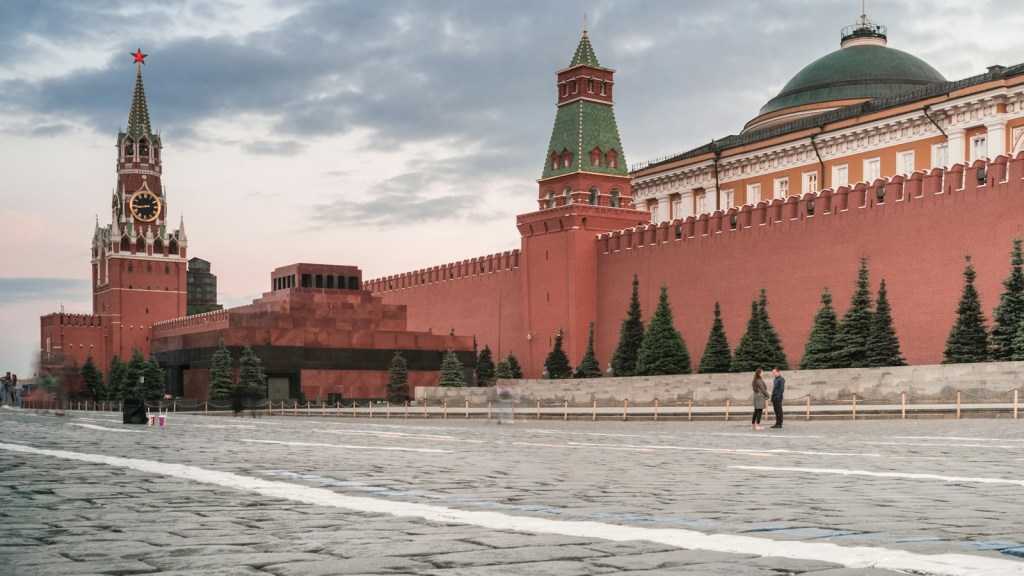
What countries did the Soviet Union split into?
It split into 15 independent countries: Armenia, Azerbaijan, Belarus, Estonia, Georgia, Kazakhstan, Kyrgyzstan, Latvia, Lithuania, Moldova, Russia, Tajikistan, Turkmenistan, Ukraine and Uzbekistan. Russia was by far the largest and continued the Soviet role in many international institutions. A union of republics breaking up into separate states is a very different story from one that forms and holds together; for a contrast, see Why Are There 50 States?
What happened to the Soviet nuclear weapons?
This was one of the biggest worries of the time, because nuclear weapons sat on the soil of several new countries. Ukraine alone inherited about 1,900 strategic warheads, 176 intercontinental ballistic missiles and 44 strategic bombers, and Belarus and Kazakhstan also hosted Soviet nuclear weapons.
On May 23, 1992, Russia, Belarus, Ukraine, Kazakhstan and the United States signed the Lisbon Protocol. Belarus, Kazakhstan and Ukraine agreed to return the weapons on their territory to Russia and to join the Nuclear Non-Proliferation Treaty as non-nuclear states. Kazakhstan sent its last strategic weapon in April 1995, Ukraine in June 1996 and Belarus in November 1996, and all Soviet nuclear weapons were in Russia by the end of 1996. On December 5, 1994, in the Budapest Memorandum, the United States, Russia and the United Kingdom pledged to respect Ukraine’s sovereignty and existing borders, and Ukraine joined the Non-Proliferation Treaty the same day.
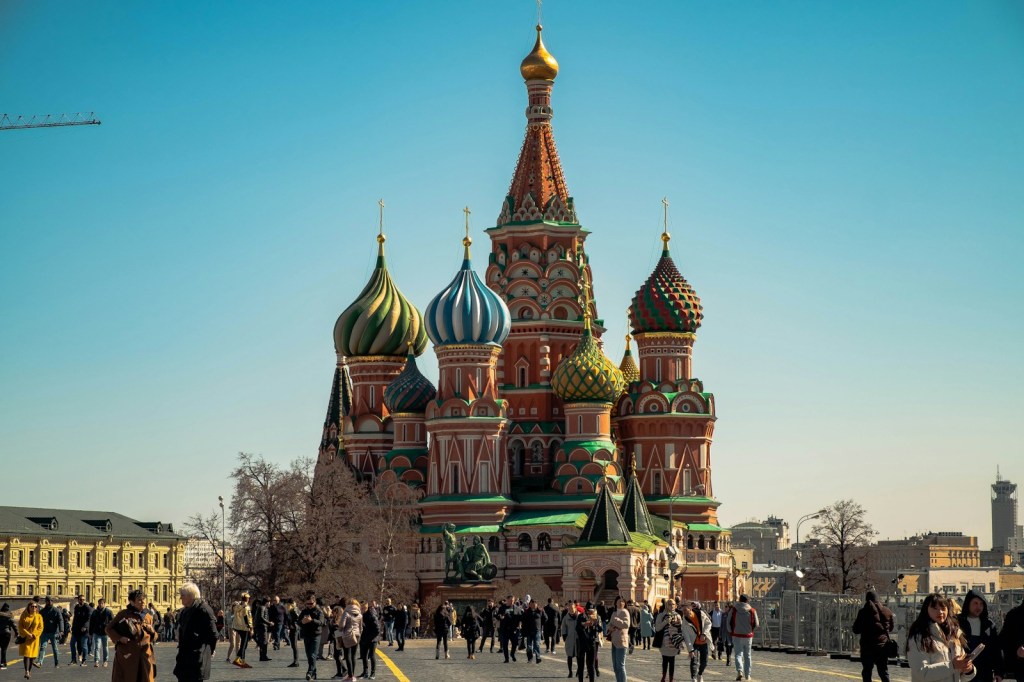
Why did the Soviet Union collapse?
Historians do not agree on a single cause, and this is still debated. The main explanations, as argued by different historians, are these.
The former British ambassador to Moscow Rodric Braithwaite stresses several pressures at once: an ideology that had lost its appeal, an economy too weak to pay for both a superpower military and decent living standards, and restless subject peoples. In his view Gorbachev tried to reform the system but was blocked by a conservative establishment and the costs of empire. The former BBC Moscow correspondent James Rodgers argues that the system was already failing before Gorbachev, and that his reforms exposed its faults instead of fixing them.
Others emphasize nationalism. The writer Joanna Lillis traces resentment of rule from Moscow, citing the 1986 protests in Almaty, and argues that resistance to Russian dominance became a major force. Richard Millington of the University of Chester focuses on information: glasnost, Gorbachev’s policy of openness, let the press expose the Party’s failures, especially after the Chernobyl disaster, and he notes that Gorbachev himself later named Chernobyl as a major cause. These explanations are not mutually exclusive, and most accounts mix several of them.
What was left out, and why?
Several popular claims are left out because they rest on a single source or are disputed. These include exact figures for the Soviet economy at the end, the precise role of oil prices and of the war in Afghanistan, and claims about what any single leader intended. The weight each cause deserves is a real disagreement among historians, so this article reports the arguments and does not pick a winner.
Frequently asked questions
When did the Soviet Union end?
Officially in December 1991. Gorbachev resigned on December 25, and the Soviet of the Republics voted to dissolve the union on December 26.
How many countries did the Soviet Union break into?
Fifteen independent countries, with Russia the largest.
Did the Soviet Union collapse because of the 1991 coup attempt?
The coup was a turning point rather than the only cause. It failed within days, weakened Gorbachev and strengthened Yeltsin and the republics, which sped up the breakup.
What happened to the Soviet nuclear weapons?
Under the Lisbon Protocol, the weapons in Ukraine, Belarus and Kazakhstan were returned to Russia, and all were in Russia by the end of 1996.
If you enjoy history like this, browse more in our History and Facts sections and subscribe to Mr Global Rankss on YouTube (https://www.youtube.com/@mrglobalrankss) for more science, history and rankings.
Related reading: Why Are There 50 States?, What Did People in Ancient Rome Actually Do All Day? and How Did People in Ancient Greece Bathe?
Sources
- Britannica: Soviet Coup of 1991
- Britannica: Collapse of the Soviet Union, the rise of Yeltsin
- Britannica: Commonwealth of Independent States
- Wikipedia: Alma-Ata Protocol
- Arms Control Association: The Lisbon Protocol at a glance
- Arms Control Association: Ukraine and nuclear weapons
- History Today: Could the Soviet Union Have Survived?


Leave a Reply