
How did medieval people wipe? In most cases they used whatever plant material or scrap of fabric was close at hand, chiefly moss, hay and straw, with cloth for those who could afford it, and the surviving evidence for each of these is modest. The question of how humans wiped before toilet paper is often answered with confident lists, but organic materials rarely survive in the ground, and medieval writers seldom described such matters. This article separates what two or more independent sources support from what is merely repeated, and it says plainly where the record runs thin. It also looks at the medieval toilet itself, including the castle garderobe, because the way a toilet was built shaped what people could use with it.
What materials did ordinary medieval Europeans use?
The most commonly cited answer is moss, hay and straw. Live Science lists moss, sedge, hay, straw and even pieces of tapestry for medieval Europe, while the World History Encyclopedia on medieval hygiene says people made do with a handful of hay, grass, straw or moss. Futura Sciences gives a very similar list for castle residents.
The agreement among these accounts is reassuring, but it should be read with care. Several of them offer the list as general description rather than citing a specific document. The list therefore reflects a broad consensus more than a body of proven cases. The materials are plausible because they were cheap, absorbent or soft, and were already stored on farms, in stables and in households.
Does any medieval text actually mention hay?
Yes, though only a few do. Daniel of Beccles, who wrote a Latin etiquette guide for young men in noble and clerical households in the early 13th century, instructs an attendant to take hay or straw in his hands, form two firm wads and hand them over to the lord seated on the privy. The passage is quoted by both Alpha History and ZME Science, and the guide’s date and purpose are described by Medievalists.net.
A second glimpse comes from the chronicle of Jocelin of Brakelond, in which a candle left burning in a necessary place threatens to fall onto straw, as presented in the Fordham University Internet Medieval Sourcebook. The passage does not say that the straw was for wiping. It therefore supports only the presence of straw in such rooms. The World History Encyclopedia on medieval castle toilets treats a similar account as a hint that hay was used in this way. Taken together, these texts are suggestive and not conclusive.
What have archaeologists found in medieval latrines?
Moss has turned up in latrine deposits, which is the closest thing to physical evidence. In Odense, Denmark, excavators emptied reused barrels from the 14th century and reported small pieces of moss, leather and fabric that the lead archaeologist described as toilet paper, according to both Archaeology magazine and Live Science.
A 13th-century latrine in Tønsberg, Norway, also contained moss. The Norwegian Institute for Cultural Heritage Research and ScienceNorway report that the researcher cautions that moss is crumbly and perhaps poorly suited to wiping, and that its absorbency may point to other uses, including menstrual care. The same research states that wiping or wound care cannot be fully ruled out for the textiles found there.
The limits of this evidence matter. Live Science quotes a historian who notes that most such material is organic and has simply vanished. A few finds from a few sites cannot describe a whole continent over roughly a thousand years, and a piece of moss in a latrine could have arrived for reasons other than wiping.
Did wealthy households use something finer?
Possibly, but the evidence is weak. Two general accounts, Wikipedia’s toilet paper entry and Today I Found Out, say that the wealthy used wool, lace or hemp while poorer people used rags, hay or moss. Neither ties the claim to a date, a place or a document. It should be treated as a reasonable assumption and not an established fact.
Great households did employ a servant known as the groom of the stool, who attended a noble during toilet use, as noted by English Heritage and Futura Sciences. Neither source states which materials he handled. The often repeated stories about royal wardrobe accounts listing cloth for this purpose could not be confirmed in any source consulted here.
What role did water and handwashing play?
Handwashing was a recognized part of good manners. The etiquette guide of Daniel of Beccles advises relieving oneself before a meal and then receiving water and a clean white cloth, with the water warm in winter, according to Medievalists.net. The World History Encyclopedia on medieval hygiene adds that washing the hands and face in the morning was common practice, and Encyclopedia.com records that monks washed their hands, feet and faces daily as needed.
None of these sources says that water was used for wiping itself. The accurate statement is that water and cloth were part of hand and face hygiene, and that the materials for the wiping step remain far less documented.
How did castle and monastery toilets work?
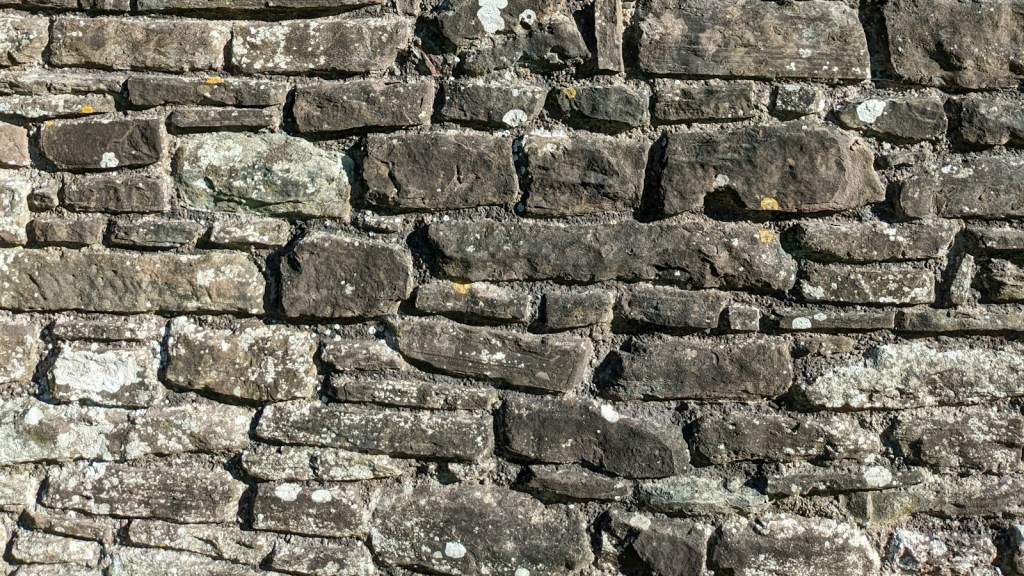
Castle toilets, now called garderobes, were built into thick walls, with a seat over a shaft that dropped waste into a pit, a moat or a river, as described by the World History Encyclopedia on medieval castle toilets and English Heritage. English Heritage notes that at Dover Castle chutes allowed workers to empty the pits from outside. The World History Encyclopedia on medieval castle toilets adds that buckets of water or diverted kitchen wastewater were sometimes used to flush shafts.
Monasteries built communal latrine blocks called reredorters, usually attached to the monks’ dormitory, according to Wikipedia. At Byland Abbey a drain ran through the block, and running water carried waste away, as the University of Sheffield study of Byland Abbey explains. For the full story of garderobes and the workers who emptied the pits, see our article How Did People Use the Bathroom Before Toilets?.
Were medieval people really as unclean as legend suggests?
The evidence points to a more nuanced picture. The World History Encyclopedia on medieval hygiene concludes that people of all classes kept themselves as clean as their circumstances permitted, noting that heating water for a full bath was costly, and most people washed from a basin. Encyclopedia.com adds that monastic culture regarded full-body baths as sensuous and potentially sinful, which shaped routines in religious houses.
Attitudes, then, varied by cost, custom and religion more than by simple indifference. Readers curious about how smell and cleanliness were managed in other eras can continue with How Did People Not Smell Before Deodorant?.
What does this history show?
Medieval Europeans solved a universal problem with the materials of their environment, and the best-supported answers are moss, hay and straw, with cloth and leather appearing in at least one excavated latrine. The record is thin because the materials were organic, because writers rarely discussed the subject and because a few well-preserved sites must stand in for a very large region and period.
It also shows how much caution the topic deserves. A confident list is easy to repeat, whereas a careful account distinguishes a text that describes hay, a find that includes moss and an interpretation that remains open.
What was left out, and why?
Several popular claims were omitted because they rested on a single source or conflicted between sources. A report that moss found in a 15th-century latrine in Turku was probably used for wiping appeared in only one university news release and was left out. Stories that garderobe shafts were used to hang clothes against fleas, specific details of royal wardrobe or Westminster Abbey records, the Roman-era debate over communal sponges on sticks, and the claim that lace was a common wiping material were also excluded because no second source confirmed them for medieval Europe. The satirist Rabelais, who joked about a goose’s neck, wrote in the 16th century, after the medieval period, as noted by Live Science, and his account was treated as satire and not evidence.
Frequently asked questions
How did medieval people wipe?
Most likely with moss, hay, straw or scraps of cloth, depending on what was available. The direct evidence is limited to a few texts and a few excavated latrines.
What did people use to wipe before toilet paper?
Across history people used plant material, cloth, water and other everyday objects. In medieval Europe the best-supported materials are moss, hay and straw.
What was a medieval toilet called?
In castles it was commonly called a garderobe, and in monasteries a reredorter or necessarium. Both dropped waste into a pit, drain or watercourse.
Was moss really used as medieval toilet paper?
Moss has been found in medieval latrines in Denmark and Norway, but researchers disagree on whether it was used for wiping or for other purposes. It remains a plausible but unproven answer.
If you enjoy history like this, browse more in our History and Facts sections and subscribe to Mr Global Rankss on YouTube (https://www.youtube.com/@mrglobalrankss) for more science, history and rankings.
Related reading: How Did People Use the Bathroom Before Toilets?, How Did People Not Smell Before Deodorant? and How Did People in the 1800s Bathe?
Sources
- World History Encyclopedia: Medieval Hygiene
- World History Encyclopedia: Toilets in a Medieval Castle
- Live Science: What did people use before toilet paper was invented?
- Futura Sciences: How did toilets work in medieval castles?
- Archaeology magazine: Medieval latrine unearthed in Denmark
- Live Science: Medieval poop, toilet and latrine in Denmark
- NIKU: Medieval women and menstrual protection (Tonsberg latrine finds)
- ScienceNorway: Archaeologists debunk period myths
- Alpha History: Daniel of Eccles on privy use, c.1210
- ZME Science: The Book of the Civilized Man
- Medievalists.net: Hygiene and manners in the Middle Ages
- Fordham Internet Medieval Sourcebook: Jocelin of Brakelond
- Encyclopedia.com: Monastic Lifestyles
- University of Sheffield: Byland Abbey reredorters
- Wikipedia: Reredorter
- English Heritage: Top 10 toilets through time
- Wikipedia: Toilet paper
- Today I Found Out: What did people use for wiping before toilet paper?


Leave a Reply