
How did people communicate before phones? They talked in person and sent handwritten letters carried by mail, couriers and riders. In 1844 the electric telegraph made it possible to send a message over a wire in minutes instead of days, and it became the fastest long-distance system until the telephone arrived.
This article follows how messages traveled, from letters on horseback to the Pony Express and the telegraph. It focuses on the United States, where the records are well documented, and it lists the details left out because the sources disagreed.
How did letters and mail travel?
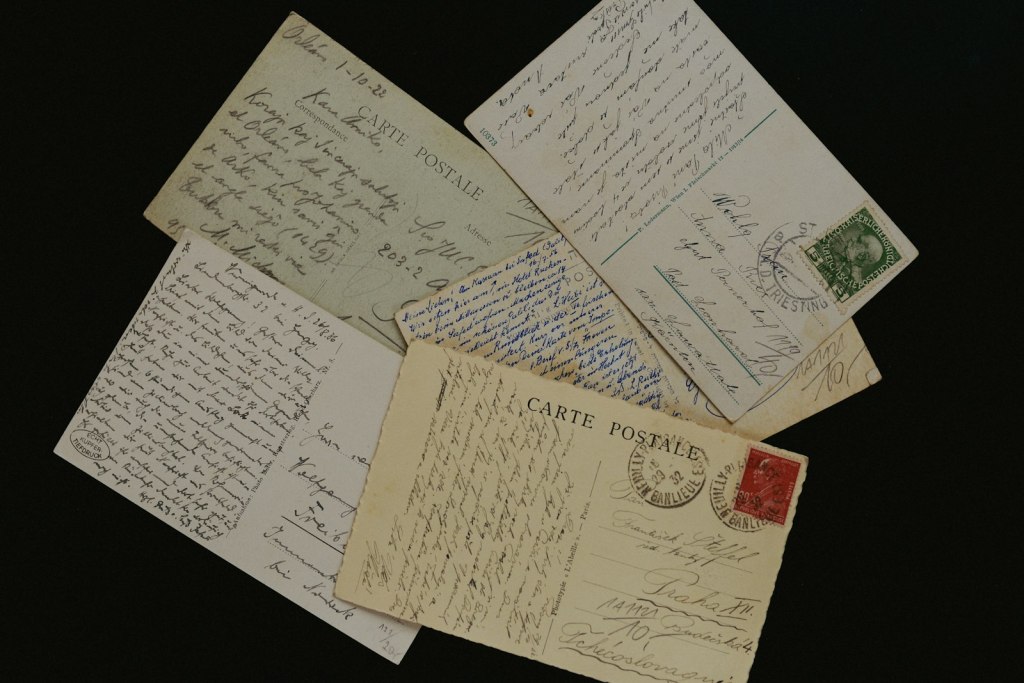
For most of history, a message moved only as fast as the person or animal carrying it. Encyclopedia.com’s entry on the communications revolution and American Heritage describe a world where letters traveled by hand, by horse, by coach and by ship. A letter across a country could take days or weeks, and one across an ocean could take much longer.
People wrote with care because every letter was precious, and they often saved the replies. The postal system gave ordinary people a way to stay in touch, but the delay shaped everything. News of a birth, a business deal or a battle arrived long after it happened, as we also see in our article on how people navigated before GPS.
What was the Pony Express?
The Pony Express was a fast mail service that used relays of riders and horses between Missouri and California. The National Park Service and its Pony Express Trail timeline say it began operating in April 1860. Riders changed horses at stations along the route, so the mail kept moving, and the service cut the delivery time across the West compared with earlier overland mail.
It was famous but short-lived. American Heritage and the National Park Service both say that the Pony Express ended in 1861, soon after the telegraph lines linked the East and the West. The exact day is given differently, so we state only the year, as explained below.
How did the telegraph change communication?
The telegraph separated the message from the messenger. Encyclopedia.com’s entry on the telegraph and the communications revolution article both describe Samuel Morse’s system, in which operators sent coded pulses of electricity along a wire. Morse’s famous first long-distance message was sent on May 24, 1844, between Washington and Baltimore, according to Encyclopedia.com and American Heritage.
Telegraph wires spread quickly along railroads and across the country, and the first line to connect the coasts was completed in late 1861. For the first time, news could cross the continent within minutes. Newspapers, businesses, railroads and governments all changed how they worked. Many everyday technologies grew from that idea of sending information instantly, including some we explain in how touch screens work.
What came after the telegraph?
The telephone carried the human voice over wires and became common in homes and businesses in the decades that followed, as the same sources outline. By then people already expected faster communication, and each new technology built on the networks of wires and exchanges that came before it. The rotary dial telephone in the photograph below belongs to that later era, not to the age of letters and telegrams.

The change in speed also changed behavior. When news took days or weeks, people planned slowly, kept long correspondences and waited for answers with patience. Once a message could cross the country in minutes, businesses could react to prices, newspapers could report events the same day, and families could receive urgent news quickly. The habits we now take for granted, such as expecting an immediate reply, grew out of that shift. Looking back at letters and riders makes clear how much of modern life rests on the simple idea that information can travel faster than people.
What was left out, and why?
The exact end date of the Pony Express was left out, because American Heritage gives October 26, 1861, while the National Park Service places it in November 1861. Delivery times for letters and for Pony Express rides were left out because the figures varied between sources. The date of the first optical semaphore telegraph in France was also removed, since sources give different years.
Frequently asked questions
How long did a letter take before phones?
It depended on distance and route, from days within a country to weeks or longer across oceans. We do not give exact figures, since the sources vary.
What was the Pony Express?
A relay mail service of riders and horses that began in April 1860 and ended in 1861.
Who invented the telegraph used in the U.S.?
Samuel Morse developed the system, and his first long-distance message was sent on May 24, 1844.
Why did the Pony Express end?
The telegraph connected the coasts in late 1861, making the riders unnecessary.
What replaced the telegraph?
The telephone, which carried voices over wires, followed in the later part of the century.
Long before a call took a second, a message took a horse and a few days. If you enjoy history explained clearly, subscribe to the channel at https://www.youtube.com/@mrglobalrankss.
Related reading: How people navigated before GPS, how touch screens work, and how barcodes work.


Leave a Reply