
How did people make coffee in the 1800s? Most people started with green, unroasted beans, roasted them at home in a pan or over a fire, ground them by hand, and boiled the grounds in a pot of water. Pre-roasted coffee only became widely available later in the century, and it changed the daily routine for millions of households.
This article walks through each step of the process, from the raw bean to the cup, and shows how it worked in ordinary kitchens, in Civil War camps and on the western frontier. It also notes which claims were left out because they could not be confirmed.
Why did people roast coffee at home?
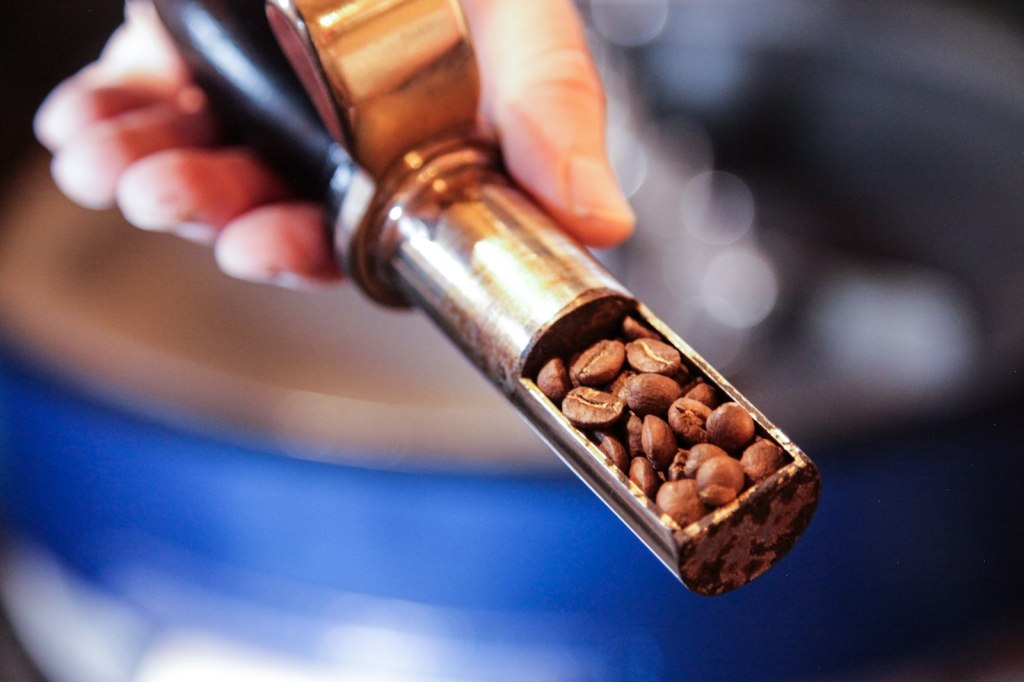
Coffee was commonly sold green, because raw beans kept far better than roasted ones. Roasted beans lose flavor quickly, so the practical approach for much of the century was to buy green beans and roast small batches as needed. HistoryNet and the Hays County Historical Museum both describe the home roasting routine that came before ready-roasted coffee became common.
The roasting itself was done in a heavy pan, a skillet or a dedicated roaster over a stove or open fire. The cook stirred the beans constantly so they browned evenly, and the work required attention, because beans can go from brown to burned quickly. It was not a quick morning step, and it took skill and experience to judge the right color by sight and smell.
How was the coffee ground and brewed?
After roasting and cooling, the beans were ground by hand, usually in a wooden box mill with a crank or a mortar and pestle. The Art of Manliness and HistoryNet describe the grounds being placed in a pot and boiled with water, rather than filtered through paper as is common today. The result was strong, and the grounds were often settled with a splash of cold water or an egg shell before pouring.
Because the coffee was boiled, it was sturdier and more bitter than modern drip coffee. It was a daily necessity for many, in the same way that tea was for others, and it fit into a day built around the stove. Stoves and fires also shaped other household routines, as shown in our article on how people cooked before electricity.
How did soldiers and frontier travelers make it?
In the field, the method was simpler. HistoryNet and the Art of Manliness both describe Civil War soldiers carrying coffee as a ration and brewing it in a tin cup or small pot over a campfire. Soldiers needed to crush beans without a mill, and both sources describe improvised tools such as the butt of a rifle. Coffee was valued as a comfort and as a source of energy during long marches and cold nights.
On the western frontier the same boiled method continued, since a pot and a fire were all that travelers needed. The Hays County Historical Museum and HistoryNet describe coffee as a staple of trail and camp life, one of the items people were least willing to do without.
What changed with pre-roasted coffee?
The big change was ready-roasted coffee sold in packages. According to HistoryNet and the Hays County Historical Museum, the Arbuckle brothers of Pittsburgh began selling pre-roasted coffee in the 1860s. Their beans were coated with a glaze of egg and sugar, which helped keep the roasted flavor from fading. Customers could skip the roasting step entirely, which saved time and removed a common source of burned batches.
This mattered most on the frontier, where fuel and time were limited, and it helped make coffee a convenient daily drink. Packaged goods of this kind were part of a broader shift toward factory-made groceries, a change that touched many parts of daily life, including how people preserved their food.
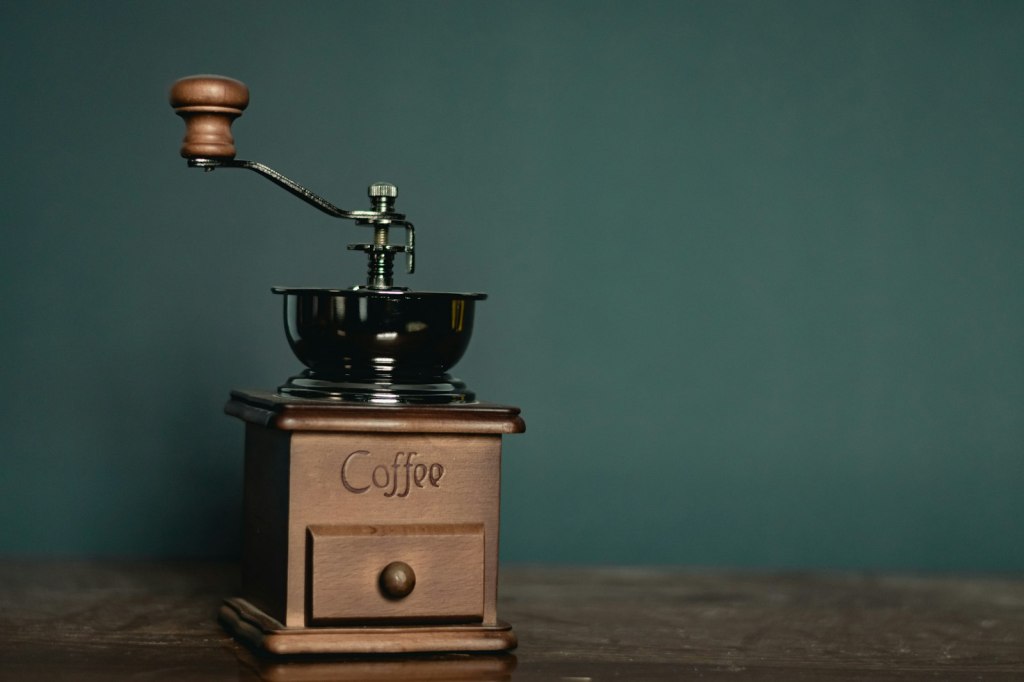
Seen from today, the old routine explains why coffee was treated with such respect. Each cup represented several separate tasks: roasting, cooling, grinding, boiling and settling. Nothing was automatic, and the quality depended on the person making it. That is one reason pre-roasted coffee spread so quickly once it was offered, since it removed the most unpredictable step. It also explains why many people today enjoy hand grinders and simple pots: they bring back some of the care that was once simply part of the morning.
What was left out, and why?
Several details were removed because only one source supported them. These include precise roasting times and temperatures, the amount of coffee soldiers received per day, the sales figures of Arbuckle’s brand, and the exact year home percolators came into use. Claims that particular stories about soldiers and coffee were true in every unit were also left out, since they came from individual recollections.
Frequently asked questions
Did people really roast coffee at home?
Yes. Green beans kept better than roasted ones, so many households roasted small batches themselves.
How was coffee ground without electricity?
By hand, in a crank mill or with a mortar and pestle. In camps, soldiers sometimes crushed beans with improvised tools.
Was 1800s coffee boiled?
Commonly, yes. Grounds were boiled in a pot and then settled, as HistoryNet and the Art of Manliness describe.
What was Arbuckle’s coffee?
A pre-roasted coffee sold from the 1860s, coated with an egg and sugar glaze to protect the flavor, according to HistoryNet and the Hays County Historical Museum.
Did soldiers drink coffee in the Civil War?
Yes. It was a valued ration, brewed over campfires in tin cups or pots.
Today a cup of coffee takes a minute, but in the 1800s it took real work. If you enjoy history told clearly, subscribe to the channel at https://www.youtube.com/@mrglobalrankss.
Related reading: How people cooked before electricity, how people preserved meat before refrigeration, and how people woke up before alarm clocks.


Leave a Reply