
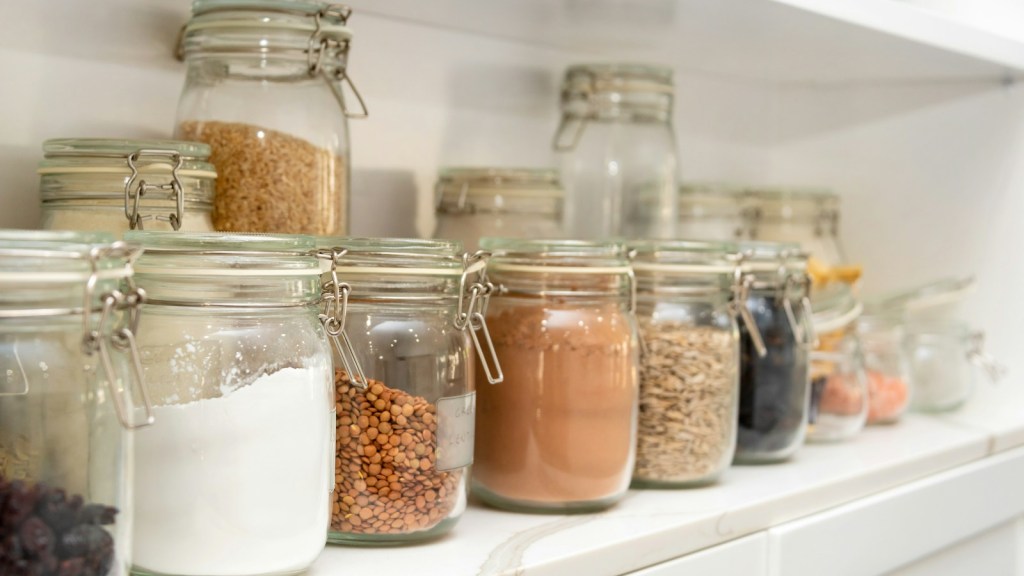
How did people preserve food before refrigeration? They removed water, added salt, sugar or smoke, encouraged helpful bacteria, kept food cold in cellars and springs, and eventually sealed it in heated containers. Each method works by making food a poor place for spoilage microbes to live. For most of history these techniques decided what a household could eat in winter, how far a ship could sail and whether a harvest was a blessing or a loss.
This guide explains the major methods, how they worked, and what they meant for meat, vegetables and milk. It also covers the people and inventions that finally made safe canning possible. Where our sources disagreed, or only one could be found, the detail has been left out and is listed near the end of the article.
Why does food spoil in the first place?
Spoilage is mostly the work of microbes: bacteria, yeasts and molds that feed on food and multiply. They depend on water. Discover magazine explains that microbes need water to move nutrients and waste in and out of their cells, and that without it they die or go dormant. Scientific American makes the same point in more technical terms: salt and sugar draw water out of food and lower its water activity, the measure of free water that microbes can use.
That single idea explains most traditional preservation. Drying, salting, sugaring and smoking take water away from microbes. Fermentation fills food with acid that crowds out harmful organisms. Cold slows microbes down. Canning heats food to destroy them and then keeps new ones out. Every method below is a variation on one of these strategies.
How did people store food before refrigeration?
Storage began with choosing the right place and the right form. The National Center for Home Food Preservation notes that cellars, caves and cool streams were used to keep food cold, and that the icehouses built on large estates later gave rise to the iceboxes of the nineteenth century. Discover likewise describes streams and underground pits as natural refrigerators.
In practice, households combined several approaches. Dry foods waited in storerooms, meat hung in smoke or lay in salt, roots went into cellars and milk went to the spring. Which method a family relied on depended on its climate, its crops and the time of year. The sections below take each in turn.
Drying and smoking: the oldest methods
Drying is among the oldest preservation techniques humans have. The National Center for Home Food Preservation reports evidence of food being dried in the sun in the Middle East many thousands of years ago, and Discover describes a prehistoric site in Jordan whose bones, hearths and postholes suggest a rack used to dry and smoke meat. The principle is simple: remove enough water and microbes cannot grow, and the food stays edible for months.
Smoke was often paired with drying or curing. The Wikipedia overview of salting notes that smoking, used with curing, reduces the amount of salt required, and Discover’s account of reindeer meat among the Sami of Scandinavia shows drying and smoking used together in a cold climate.
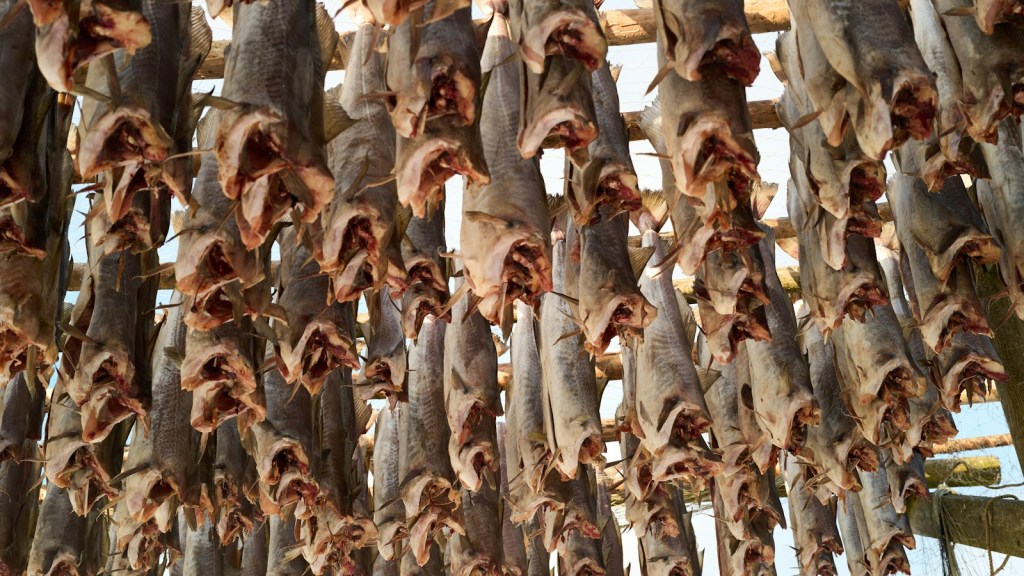
How did they preserve meat before refrigeration?
For meat, salt was the central tool. Salt is hypertonic, which means it pulls water out of cells by osmosis, according to the Wikipedia overview of salting, and Scientific American confirms that salt lowers the free water available to microbes. A butcher could rub meat with dry salt or soak it in brine, and then dry or smoke it for further protection. The result was food that could be stored well beyond the day of slaughter.
A later discovery changed the appearance of cured meat. The National Center for Home Food Preservation and Wikipedia both report that in the nineteenth century, salts containing saltpeter were found to keep meat red rather than gray, and consumers came to prefer the red color. Many familiar foods began as preservation. Wikipedia lists bacon, ham, jerky and pastrami among traditional salted meats, and the University of Connecticut extension service includes salami and jerky in its list of fermented and cured foods.
Our companion article on how people preserved meat before refrigeration looks at these techniques in more detail.
How did people keep food cold before refrigerators?
Where the land allowed it, people used the cold that nature supplied. A springhouse was a small building placed over or beside a spring. The Pennsylvania Historical and Museum Commission describes stone-lined channels or tanks of running spring water used to chill milk and other perishable foods, and the National Park Service describes a spring house at Hopewell Furnace where food sat in crocks half submerged in flowing spring water.
Root cellars worked on a different principle. Extension services at the University of Alaska Fairbanks and Purdue University both describe storage conditions near freezing, in the range of 32 to 40 degrees Fahrenheit (0 to 4 degrees Celsius), with high humidity. Purdue explains that such storage relies on outdoor air: vents are opened to admit cold air and closed when the outside air is warmer than the cellar. A dirt floor, damp sand or wet straw helps keep humidity steady.
Winter ice was the third option, and it supported a trade of its own. Our articles on how people made ice before electricity and how they kept food cold in the 1800s explain how ice was harvested, stored in sawdust and delivered to iceboxes.
How were vegetables preserved before refrigeration?
Hardy crops were simply stored. According to the University of Alaska Fairbanks and Purdue, carrots keep for roughly four to five months in a suitable cellar and late cabbage for about three to four, while potatoes can last for many months. Both also note that dry onions and garlic need much drier air than carrots or cabbage, which is why a good cellar had to be managed rather than merely dug.
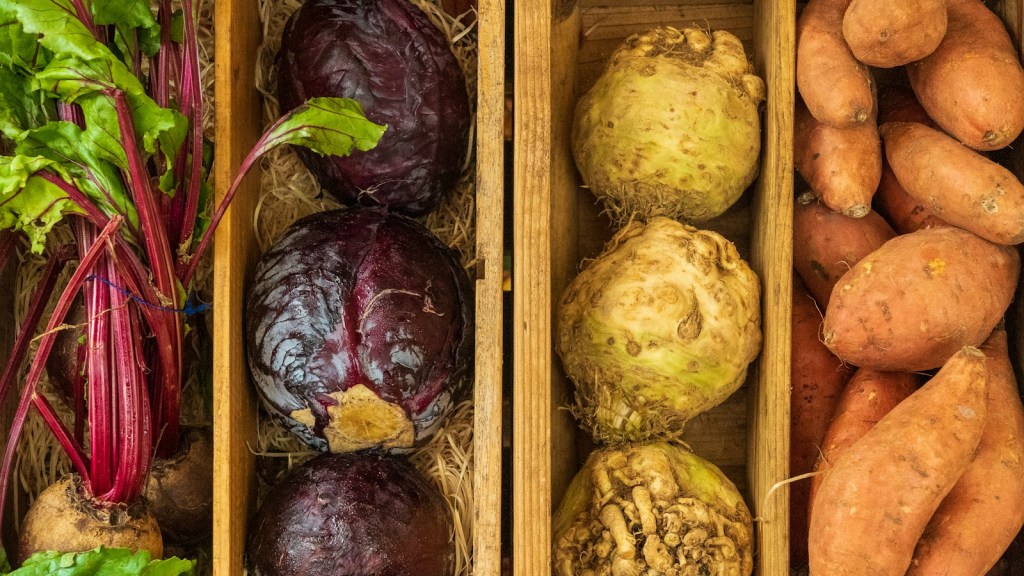
Fermentation turned perishable vegetables into durable food. The National Center for Home Food Preservation says fermentation was discovered rather than invented, and the University of Connecticut notes that it may date back as long as 12,000 years. In sauerkraut, shredded cabbage is salted and packed airtight. As Scientific American and the University of Connecticut both describe, Leuconostoc bacteria begin the process and use up the remaining oxygen while producing acid, and Lactobacillus bacteria then take over. The growing acidity holds back harmful organisms, so the cabbage keeps for months.
How was milk preserved before refrigeration?
Fresh milk spoils quickly in warm weather, and the earliest answer was to change it. Smithsonian Magazine reports that early herders in the Fertile Crescent turned milk into yogurt, butter and cheese because fresh milk spoiled quickly in hot climates, and the University of Guelph dairy history likewise credits fermented milks, cheese and butter as products that made milk last. The springhouse described above served as a second line of defense, chilling milk pans and letting cream rise.
Industrial answers arrived in the nineteenth century. The Lemelson-MIT program and Smithsonian Magazine both describe Gail Borden’s vacuum process for condensing milk in the 1850s, and both note that demand surged when Union soldiers received the product during the Civil War. Pasteurization followed. Culture magazine explains that heating milk killed the bacteria that soured it and extended its shelf life, while the National Center for Home Food Preservation dates Louis Pasteur’s link between microorganisms and spoilage to 1864.
Acceptance was slow. Culture magazine describes producers in the U.S. who skipped pasteurization because of the equipment cost, and Smithsonian Magazine adds that some consumers thought pasteurized milk tasted flat. Raw milk shipped to cities spent long hours at warm temperatures, which is why public health officials eventually pressed for the change.
How did canning change food preservation?
Canning was the first method that did not depend on climate. History.com and the USDA National Agricultural Library both report that the French government offered a 12,000-franc reward in 1795 for a new way to preserve food. Nicolas Appert met the challenge by heating food in sealed glass containers, a method the National Center for Home Food Preservation and the University of California Master Food Preserver Program both describe, and the National Agricultural Library dates his reward to 1809.
Appert’s process predated Pasteur’s work on germs by more than fifty years, History.com notes, so he knew that it worked before anyone could explain why. The next steps were practical. The National Agricultural Library and the National Center for Home Food Preservation both date the first tin container to Peter Durand in 1810. The same library and the University of California program both credit John Landis Mason with patenting the threaded screw-top jar in 1858, and Alexander Kerr with the two-piece lid in 1915.
Safety took longer to understand. The National Agricultural Library records that by 1917 the USDA had concluded pressure canning was the only safe way to process low-acid foods, and the National Center for Home Food Preservation says the danger of the botulism bacterium in high-temperature canning was not understood until the 1920s. Both timelines make the same point: a method can work long before its risks are fully known.
What was left out, and why?
Several details were dropped because only one reliable source supported them, or because sources disagreed. These include the exact age of the earliest drying evidence, ancient fermentation finds in Scandinavia, the buried “bog butter” of Ireland and Scotland, the precise year of Borden’s patent (sources give 1853 and 1856), the date Pasteur first applied heat to milk, the story of the first household refrigerator, and the common claim that salt kills most bacteria only above a certain percentage. Vinegar pickling, jam making and fat sealing were also omitted for lack of a second source.
Frequently asked questions
What was the most common way to preserve food before refrigeration?
Drying, salting and smoking were among the oldest and most widespread methods, according to the National Center for Home Food Preservation and Discover. Which one dominated depended on climate and on the food.
Why does salt stop food from spoiling?
Salt draws water out of food and out of microbial cells through osmosis, according to Wikipedia and Scientific American. Microbes cannot grow without available water.
How did people keep milk from going bad?
They turned it into yogurt, butter or cheese, and they chilled it in springhouses, according to Smithsonian Magazine, the University of Guelph and the Pennsylvania Historical and Museum Commission. Condensed milk and pasteurization came in the nineteenth century.
Where were vegetables kept through the winter?
Hardy vegetables such as carrots, cabbage and potatoes were kept in root cellars at temperatures of about 32 to 40 degrees Fahrenheit (0 to 4 degrees Celsius), according to the University of Alaska Fairbanks and Purdue. Others were fermented, as in sauerkraut.
Who invented canning?
Nicolas Appert developed the method of heating food in sealed glass containers and won the French government’s reward in 1809, according to the USDA National Agricultural Library and History.com. Peter Durand introduced the tin container in 1810.
Preserving food was once a matter of survival, and it remains a quiet piece of everyday science. If you enjoy history and science explained clearly, subscribe to the channel Mr Global Rankss at https://www.youtube.com/@mrglobalrankss.
Related reading: How people preserved meat before refrigeration, how people kept food cold in the 1800s, and how people made ice before electricity.
Sources
- National Center for Home Food Preservation: Historical origins of food preservation
- Discover: How did ancient people keep their food from rotting?
- Scientific American: How do salt and sugar preserve food?
- Wikipedia: Salting (food)
- University of Connecticut Extension: Fermentation, preservation with benefits
- Scientific American: The science of sauerkraut fermentation
- University of Alaska Fairbanks Extension: Vegetable storage
- Purdue Extension: Storing vegetables
- Pennsylvania Historical and Museum Commission: Springhouse
- National Park Service: Spring House, Hopewell Furnace
- Smithsonian Magazine: The surprisingly intolerant history of milk
- University of Guelph: A brief history of the dairy industry
- Culture: A history of pasteurization
- Lemelson-MIT: Gail Borden
- Smithsonian Magazine: Condensed milk
- History.com: A brief history of canned food
- USDA National Agricultural Library: Canning timeline
- UC Master Food Preserver Program: A brief history of the canning jar


Leave a Reply