
How did people make ice before electricity? For most of history they did not make it at all: they harvested it. In winter, workers cut blocks of natural ice from frozen lakes, ponds and rivers, packed them in insulated icehouses with sawdust or straw, and drew on that stored supply through the summer. The practice grew from a household chore into a global trade, and it shaped how people kept food cold for generations.
This article explains how the harvest worked, why a block of ice could survive months of warm weather, how ice reached homes and distant ports, and when machines finally took over. Water freezes at 32 degrees Fahrenheit (0 degrees Celsius), so the whole system depended on cold winters and careful storage.
How was natural ice harvested?
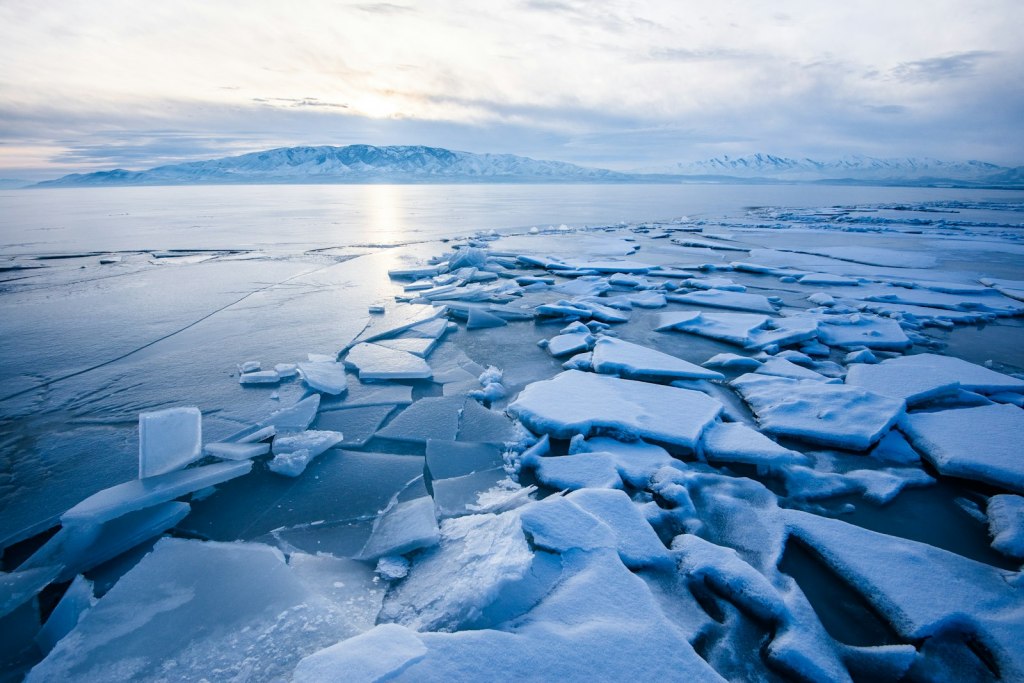
The work began once a frozen pond or lake was thick enough to bear men, horses and equipment. Crews scored the surface into a grid, sawed out large blocks, and floated or hauled them to shore along channels cut in the ice. According to the Wikipedia overview of the ice trade and a Boston University history of the New England ice trade, this winter harvest supplied ice for homes, businesses and export, and New England was among its best-known centers.
The harvest was seasonal labor, and it mattered to the people who did it. The Library of Congress and American Heritage both describe ice cutting as an industry that employed many workers in the coldest months, when farm work was slow. A good ice crop meant a comfortable summer for the businesses that relied on it, and a mild winter could be a real financial loss.
How did ice last through the summer?
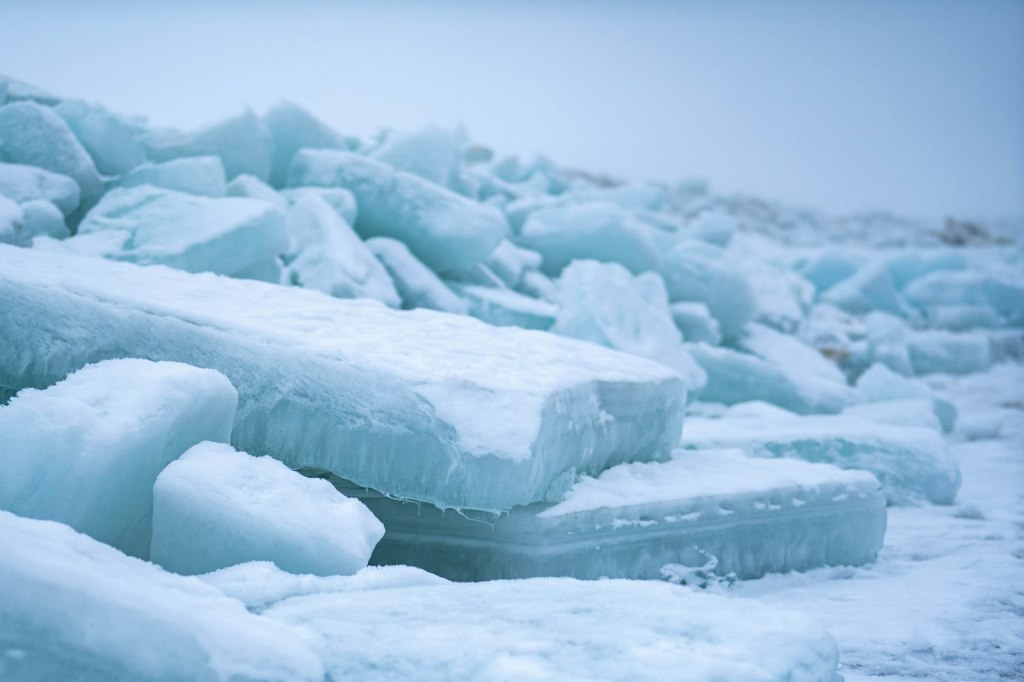
Ice survived because of insulation and good packing. Harvested blocks went into an icehouse, a heavily insulated storehouse, where they were stacked tightly and surrounded by sawdust or straw. The Wikipedia overview and the Boston University history both identify sawdust as the standard packing material. Sawdust works because its trapped air slows the flow of heat from the warm outside to the cold blocks, and because a tight stack exposes little surface to the air.
Some ice always melted, and builders planned for it by providing drainage. Even so, the system worked well enough that ice cut in January could still be sold in August. It is a reminder that low technology can be effective when it follows sound physics: keep the cold mass large, keep air movement low, and keep heat out.
How did ice reach homes and faraway places?
Locally, ice was delivered to houses and shops and kept in insulated cabinets known as iceboxes, which the Library of Congress and the Wikipedia overview both connect to the growth of a regular ice-delivery business. That delivery routine is a large part of why the practice is remembered so vividly. It is also a close cousin of the techniques described in our article on how people preserved meat before refrigeration.
The more surprising part is the export trade. National Geographic and the Wikipedia overview credit Frederic Tudor of Boston with building the first long-distance ice business, beginning with a shipment to the Caribbean island of Martinique in 1806. The Boston University history and Wikipedia also describe later cargoes bound for Calcutta, India, in the 1830s, which carried New England ice across the world by sailing ship.
When did machines replace the harvest?
Mechanical refrigeration gradually made ice that did not depend on the weather. According to American Heritage and the Wikipedia overview, factory-made ice and later household refrigerators steadily displaced natural ice, and the harvest declined during the first half of the twentieth century. By then the trade had given way to a cleaner, more predictable supply, but it left behind words, buildings and habits that remain in everyday life.
It is worth pausing on how recent today’s convenience is. The ice trade treated cold as a product that could be stored, packed and delivered on a schedule, which demanded planning across the seasons: harvest in winter, careful storage through spring, and delivery in summer. For most of human history, a cold drink in warm weather was a luxury that depended on the weather, on hard labor and on good insulation. The people who cut and stored ice understood those limits well, and their methods remind us that useful technology does not always need electricity, only a clear understanding of how heat moves and a great deal of patience.
What was left out, and why?
Several details were dropped because only one reliable source supported them. These include the exact tonnage shipped at the trade’s peak, the invention dates and inventors of specific ice-cutting tools, the dates of the earliest mechanical ice machines, and claims about ice houses in ancient Persia and Rome. Figures for how thick the ice had to be before cutting began also varied between accounts, so no single number is given here.
Frequently asked questions
Where was ice stored before refrigerators?
In insulated icehouses packed with sawdust or straw, according to Wikipedia and Boston University. Households then kept small amounts in iceboxes.
Who started the long-distance ice trade?
National Geographic and Wikipedia credit Frederic Tudor of Boston, whose early shipments went to the Caribbean in 1806.
Why did sawdust keep ice from melting?
Sawdust traps air, and still air is a poor conductor of heat. A tight layer of it slowed warmth from reaching the blocks, though some melting was expected.
Did people really ship ice across oceans?
Yes. Wikipedia and Boston University both describe cargoes from New England reaching distant ports, including Calcutta in the 1830s.
When did natural ice stop being used?
It declined gradually as factory ice and household refrigerators spread during the first half of the twentieth century, according to American Heritage and Wikipedia.
The ice trade shows how much ingenuity went into a single cold cube. If you enjoy history explained clearly, subscribe to the channel at https://www.youtube.com/@mrglobalrankss.
Related reading: How people preserved meat before refrigeration, why desert people wear more clothes in extreme heat, and how a microwave heats food.


Leave a Reply