
The history of hygiene is a story of two different problems, personal washing and public sanitation, and the era with the worst hygiene depends on which one you measure. The best-supported answer is the industrial Victorian city of the early to mid 1800s, before large sewers were built, when contaminated water and waste drove repeated cholera epidemics. If the question is about personal washing alone, early modern Europe, roughly the 1500s and 1600s, has the strongest claim, because many people came to fear full-body bathing. Roman and medieval hygiene, by contrast, were better than their reputations. This article ranks four eras from worst to least bad, shows the evidence behind each ranking, and says plainly how hard hygiene is to measure.
How do you measure which era had the worst hygiene?
Hygiene covers personal habits, such as washing and laundering, and public sanitation, such as clean water and the removal of sewage. An era can do well at one and badly at the other. The evidence is also uneven. Written records tend to describe the habits of the wealthy and the literate, while archaeology, such as parasite eggs in old soil, describes whole populations but cannot show how often one person washed. Any comparison across centuries is therefore an estimate and not a measurement. The ranking below weighs both kinds of evidence and leans on claims that at least two independent sources support.
Was ancient Rome as clean as people think?
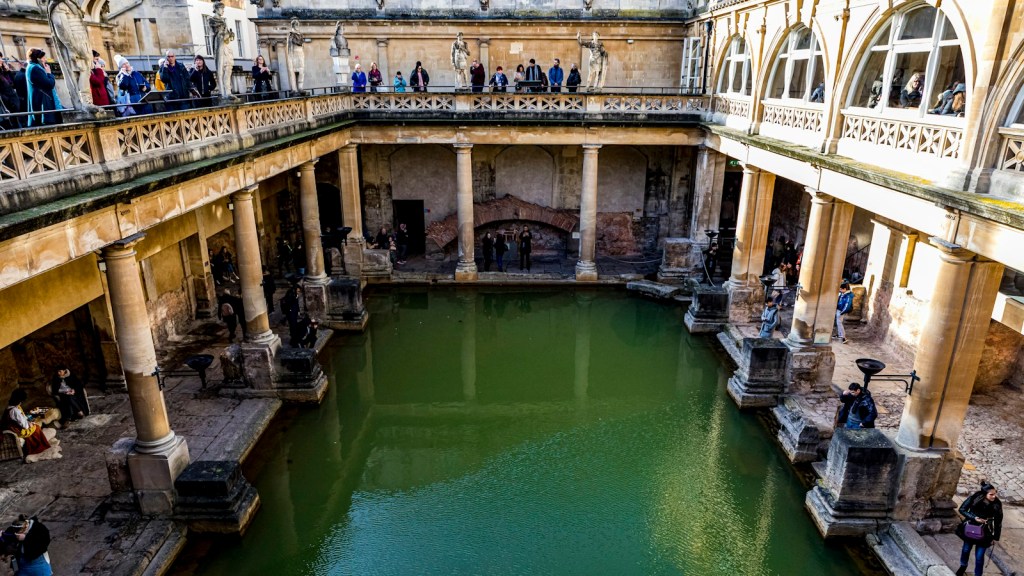
Rome is remembered for baths, latrines and sewers, and Romans did bathe regularly. Archaeology complicates that picture. A study by the Cambridge researcher Piers Mitchell, described by the University of Cambridge and by Discover magazine, found that intestinal parasites such as whipworm and roundworm did not decline in the Roman period. Cambridge reports that infections actually increased compared with the Bronze and Iron Ages. Lice and fleas were also about as common in Roman layers as in Viking and medieval ones, even though Romans bathed more often than the later populations.
One suggested reason is that waste was hauled out of towns and used as fertilizer, which could return parasite eggs to the food supply. Roman sanitation was not useless, and both Cambridge and Discover acknowledge that latrines and sewers probably offered some everyday benefit. But the archaeology shows no clear health gain, which is why Rome ranks as mixed and not as the worst. For the wider picture of Roman life, see our look at daily life in ancient Rome.
Were medieval people really dirty?
The popular picture of a filthy Middle Ages does not hold up well. Medievalists.net and Today I Found Out both report that washing the face and hands in the morning was standard advice and practice, and that public bathhouses were common in towns. Monks at Westminster Abbey were required to bathe four times a year, and both sources note that the abbey employed a bath attendant, which suggests the monks bathed more often than the rule demanded.
Medieval hygiene was uneven all the same. Private tub baths were costly and time-consuming, and only the well off could afford them. The poorest people, especially in winter, probably relied on basins. That is a real limit, but it describes inequality and not an absence of washing, and it is why the Middle Ages rank as the least bad of the four eras here.
Why did personal hygiene get worse in early modern Europe?
The change came in the 1500s. Both Medievalists.net and Today I Found Out report that public bathhouses declined rapidly in that century, with fear of disease, including the syphilis that spread through Europe around 1500, among the causes. The scholar Erasmus wrote in 1526 that “the new plague has taught us to avoid them.” Alongside that came a medical belief that warm water opened the skin’s pores and let illness in. Brewminate describes physicians advising brief, infrequent baths followed by vigorous drying, and History Revealed notes that after the plagues and the closing of public bathhouses, many western Europeans believed bathing was harmful.

This is the strongest case for the worst era of personal washing, because the avoidance of bathing came from a medical belief and not from a lack of access. The caution is that the evidence varies by region and by class, and a society that avoided baths could still care about being clean in other ways. For one practical view of the period, see how people washed in the 1500s.
How bad was hygiene in Victorian industrial cities?
This is where the public-health evidence is strongest. London grew quickly, flushing toilets came into wider use, and sewers that were inadequate for the load let waste leak into the Thames, as Mental Floss and a British Medical Journal article on PubMed Central both explain. The result was repeated disease. The Broad Street cholera outbreak began in Soho on August 31, 1854, and both the London Museum and Hektoen International report that more than 500 people died within about ten days. The physician John Snow tracked deaths to a water pump, and local officials removed its handle. His belief that cholera spread through water was at first ignored or rejected, according to the London Museum, Hektoen International and the British Medical Journal article.
In the hot summer of 1858 the smell from the river became severe enough to push Parliament to act. This was the Great Stink. Engineer Joseph Bazalgette then built about 82 miles of main intercepting sewers, plus roughly 1,100 miles of smaller sewers and drains, according to Hektoen International and Mental Floss. Mental Floss, History.co.uk and the British Medical Journal article all report that cholera struck London again in 1866, and Mental Floss and the BMJ article place it in the East End, which the new system had not yet reached. Sources disagree on exactly when the sewer works were finished, and this article does not give a single date. For a look at Victorian washing at home, see how people bathed in the 1800s.
Which era had the worst hygiene, ranked?
From worst to least bad, the ranking is as follows:
- Victorian industrial cities before the sewers (early to mid 1800s). Documented outbreaks and a river of sewage make this the clearest case of hygiene failing at scale.
- Early modern Europe (1500s and 1600s). A widespread fear of bathing made personal washing rarer, though the evidence varies by place and class.
- Ancient Rome. Impressive baths, latrines and sewers, but parasite and lice evidence shows no clear health benefit.
- Medieval Europe. Washing was more common than the myth suggests, with uneven access tied to wealth and the seasons.
Three cautions apply. The Victorian evidence comes from London in particular, and other cities differed. The Roman evidence comes from archaeology while the Victorian evidence comes from written records, which means the eras are not measured in the same way. And the gap between Rome and the Middle Ages is small, so their order is the least certain part of the list. The verdict is a reasoned judgment and not a precise score.
What was left out, and why?
Several popular claims rest on a single source or on sources that disagree, and they are left out. They include the exact cost and completion date of London’s sewers, which sources give differently, the tale that particular kings bathed only once or twice in their lives, the idea that floors were painted brown to hide grime, the statistics from Edwin Chadwick’s 1842 sanitary report, the exact number of bathhouses in medieval Paris, and the claim that clean linen stood in for a clean body. Where the evidence is thin, this article says that plainly and does not choose a side.
Frequently asked questions
Which era had the worst hygiene?
The best-supported answer is the industrial Victorian city before large sewers were built, because contaminated water and waste caused documented outbreaks such as the 1854 cholera epidemic in Soho. Early modern Europe is the strongest case for the worst personal washing habits.
Did medieval people bathe?
Yes. Sources report routine morning washing of the face and hands and public bathhouses in towns, though access to full baths varied with wealth and season.
What was the Great Stink?
It was the severe smell of sewage in the River Thames during the hot summer of 1858. It pushed Parliament to fund a new sewer system designed by Joseph Bazalgette.
Were the Romans cleaner than the Victorians?
Romans bathed regularly, but parasite and lice evidence shows no clear health benefit. Victorian London suffered large cholera outbreaks. The two cannot be compared directly, because the evidence comes from different kinds of sources.
If you enjoy history like this, browse more in our History and Facts sections and subscribe to Mr Global Rankss on YouTube (https://www.youtube.com/@mrglobalrankss) for more science, history and rankings.
Related reading: What Did People in Ancient Rome Actually Do All Day?, How Did People in the 1500s Shower? and How Did People in the 1800s Bathe?
Sources
- University of Cambridge: Why the Romans were not quite as clean as you might have thought
- Discover: Despite latrines and aqueducts, ancient Romans were full of worms
- Medievalists.net: Did people in the Middle Ages take baths?
- Today I Found Out: Did people in medieval times really not bathe?
- Brewminate: When cleanliness was dangerous
- History Revealed: The history of human dirt
- London Museum: John Snow, cholera and the Broad Street pump
- Hektoen International: Epidemic cholera and Joseph William Bazalgette
- History.co.uk: Sir Joseph Bazalgette and London’s sewers
- Mental Floss: How London’s Great Stink turned the tide of Victorian pollution
- British Medical Journal via PubMed Central: Death and miasma in Victorian London, an obstinate belief


Leave a Reply