
How did people apply to jobs before the internet? They found openings in newspaper classified ads and “Help Wanted” signs, learned of work through friends and family, then applied in person with a paper application or by mailing a typed resume and cover letter. Employment agencies and telephone calls filled in the gaps. The process was slower and more personal than clicking “apply” on a website.
This article explains where openings were advertised, how applications were submitted, what role personal connections played, and how job hunting changed once job boards moved online. It also lists the figures left out because only one source supported them.
Where did people find job openings?
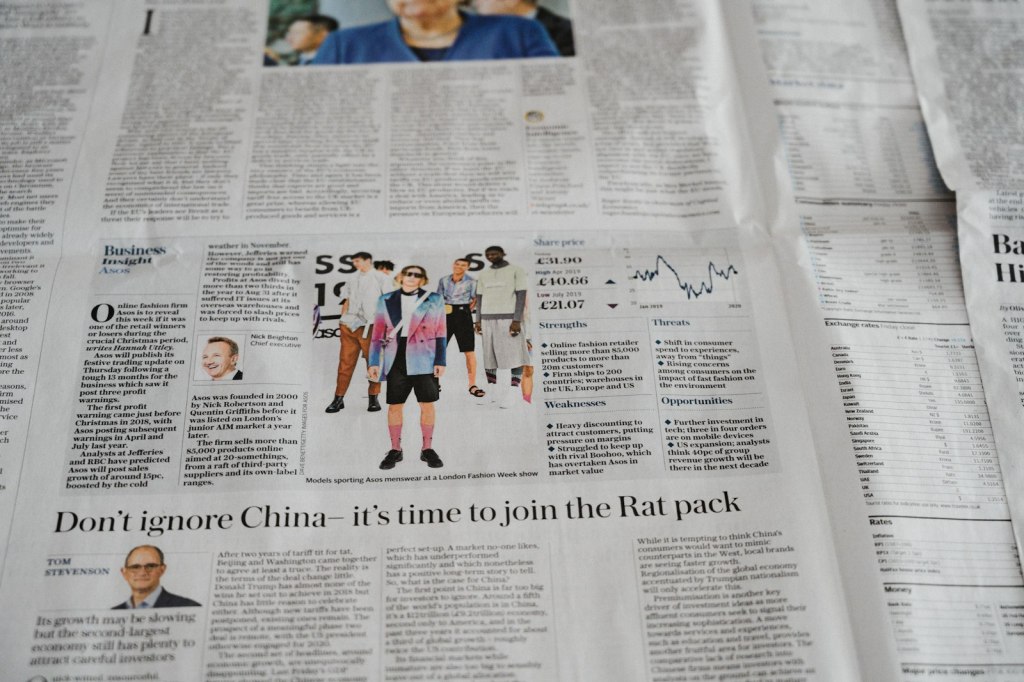
The classified section of the newspaper was the main source. TEKsystems and the College Recruiter history of job boards both describe printed help-wanted advertising as the standard way employers announced openings for much of the twentieth century. Job seekers circled listings, often on a Sunday when newspapers carried the most pages of ads, and then followed up by phone, by mail or in person.
These ads could be blunt by modern standards. A Dallas Morning News archive feature shows how earlier help-wanted notices were written, and how much the style and rules of such ads changed over time. Our article on how people managed everyday tasks before glasses is a reminder that daily life then worked through very different tools.
How did people actually apply?
Applications were mostly paper. For many retail, factory and service jobs, a person walked in, asked for an application form, filled it out by hand and often spoke to a manager on the spot. Unearth the Voyage and TEKsystems both describe in-person applications and “Help Wanted” signs in windows as common routes.
For office and professional work, the usual approach was a typed resume and a cover letter sent by mail, sometimes to a box number given in the ad. Applicants typed on a typewriter, made copies, and waited for a reply by letter or telephone. A mistake could mean retyping the whole page. Because every application cost postage and time, people tended to apply to fewer places, and to tailor each letter by hand.
How much did connections and agencies matter?
Personal networks mattered a great deal. Unearth the Voyage and Ask The Headhunter both note that many positions were filled through people who already knew someone at the company, and that this is one reason referrals remain important today. A friend or relative could recommend a candidate, or tell a job seeker about an opening before it was ever advertised.
Employment agencies also helped match workers with employers, and TEKsystems describes agencies and recruiters as part of the older job-hunting landscape. Telephone calls were used to ask about openings, to schedule interviews and to follow up. The overall picture is one of many small, human steps, and each step depended on someone being reachable.
What changed when job boards went online?
The College Recruiter history and TEKsystems both trace how online job boards began to replace newspaper listings in the 1990s, making it possible to search many openings at once and to apply without leaving home. Applications that once needed stamps and weeks could be sent in minutes. The change also raised the number of applicants per job, which is one reason employers moved toward screening software. For related technology stories, see our articles on how barcodes work and how touch screens work.

One lasting effect of the older system is how much effort it asked of both sides. A job seeker had to spend time and money to apply, and an employer had to read each paper form or letter by hand. That cost encouraged care: applicants chose where to apply with some thought, and employers often relied on trusted recommendations to narrow a large pile of paper. Many of today’s habits, from asking a contact for an introduction to tailoring a resume for a particular role, are older than the web. What changed was speed and scale, not the basic wish to be noticed by the right person at the right time.
What was left out, and why?
Statistics about how many jobs were found through referrals, how many applicants applied per opening, and how long searches took were left out, because the figures came from a single source or differed between sources. The date of the first online job board, and claims about which newspaper ran the first help-wanted ad, were also removed since sources did not agree.
Frequently asked questions
Where were jobs advertised before the internet?
Mainly in newspaper classified sections and on “Help Wanted” signs, according to TEKsystems and College Recruiter.
Did people really walk in and ask for work?
Yes. In-person paper applications were common for retail, factory and service jobs.
How were resumes sent?
Typed on paper and mailed with a cover letter, sometimes to a box number listed in the ad.
Were personal connections important?
Yes. Unearth the Voyage and Ask The Headhunter both describe referrals and networks as a major path to work.
When did online job boards begin to take over?
During the 1990s, according to College Recruiter and TEKsystems, as newspaper listings gave way to online search.
Looking for work once meant knocking on doors and licking stamps. If you enjoy history explained clearly, subscribe to the channel at https://www.youtube.com/@mrglobalrankss.
Related reading: How barcodes work, how touch screens work, and how people woke up before alarm clocks.


Leave a Reply