
How did people call the police before 911? They dialed a local police number, which differed from town to town, or they picked up the telephone and asked the operator to connect them. There was no single emergency number across the country until 911 was introduced, and the first 911 call in the U.S. was made on February 16, 1968, in Haleyville, Alabama.
This article explains how people reached help before one national number existed, why that system caused problems, how a small Alabama town became the birthplace of 911, and what was left out because sources disagreed on a detail.
What did people do in an emergency before 911?
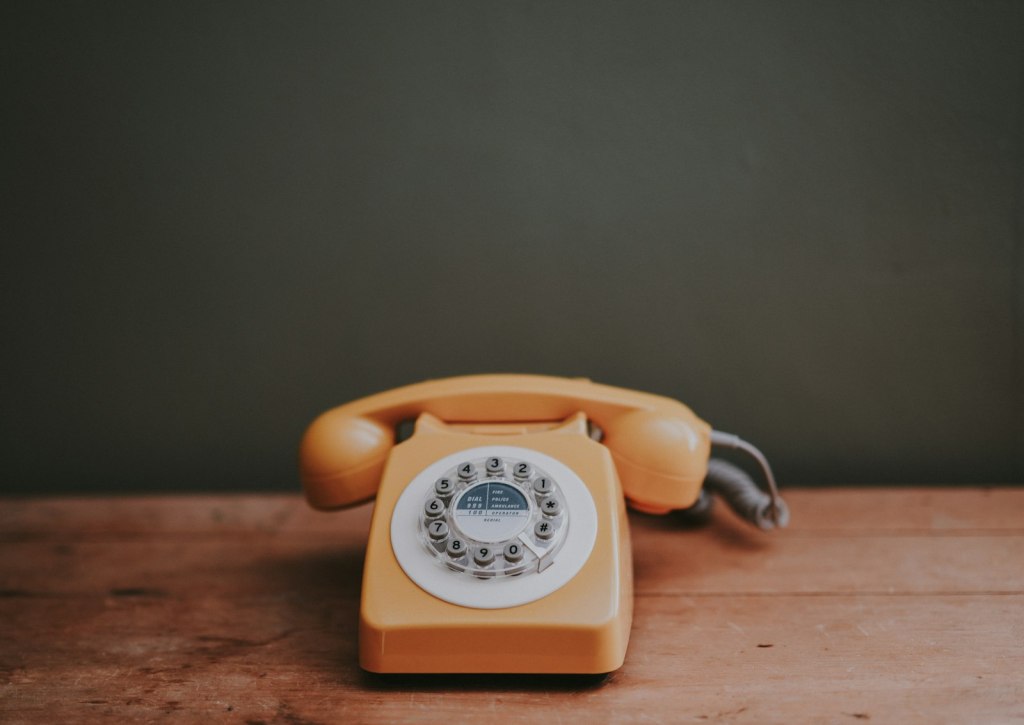
Emergency calling was local. A caller needed to know the number for the police department, the fire department or an ambulance service in their own community, and those numbers were different almost everywhere. According to NPR and the National 911 Program, there was no universal emergency number before the late 1960s, and a caller who did not know the right local number often reached the operator instead.
The operator could connect the call, but the process took time. A person in distress might have to explain the problem, wait to be transferred, and repeat the address. A visitor or traveler in an unfamiliar town had a particular problem, since they would not know any of the local numbers at all. That gap is the problem 911 was designed to solve.
Why was a single number needed?
Emergencies reward speed, and a long string of digits is hard to remember under stress. The Smithsonian Magazine and the National 911 Program both describe the push for a short, easy-to-remember number that would work everywhere. The idea gained attention in the 1960s as telephones became common in homes and as officials looked for ways to shorten the time between a call and a response.
Many of the tools we take for granted on the road and in public safety grew from the same practical impulse. Our articles on what fire hydrant colors mean and how radar guns work show how simple systems help responders act faster.
How did a small Alabama town launch 911?
The first 911 call in the U.S. was made on February 16, 1968, in Haleyville, Alabama, according to NPR and the Smithsonian. Alabama Speaker of the House Rankin Fite placed the call from the Haleyville city hall, and U.S. Representative Tom Bevill answered it at the town’s police station. Both accounts describe a small ceremony meant to show that the new number worked.
Haleyville was chosen partly because its local telephone company, an independent firm, was willing to move quickly, according to NPR. The town’s early system showed that a short emergency number could be routed to a single answering point. From there the idea spread gradually, as phone companies and local governments built the equipment and agreed on procedures. It took many years before 911 reached most of the country.
How does 911 differ from the old system?
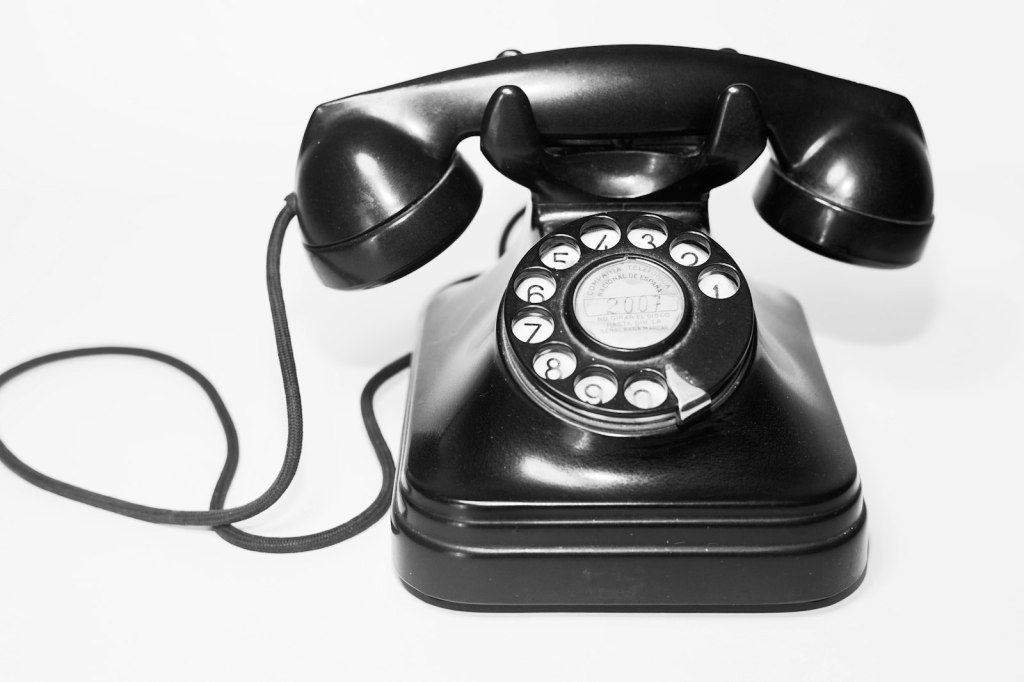
The key change is that a caller no longer needs to know anything about local arrangements. One short number connects to a trained call taker who sends the right responders. The National 911 Program and the Smithsonian both stress that the number was created to give the public a single, memorable way to ask for help. Before it, success depended on whether a person happened to know the right number at the right moment.
That does not mean older methods vanished overnight. In some places, police call boxes and local numbers continued alongside the new system for years, and individual communities adopted 911 on their own schedules. The result was a patchwork that slowly became the nationwide standard.
The story also shows how a good idea can start small. Haleyville was not a large city, yet its test proved that a short number could be answered by one team and sent on to the right responders. Public safety systems often improve in this way: a simple method is tried in one place, shown to work, and then copied. The result is something most people now take for granted, a number that works whether they are at home, at work or far from their own town. It is easy to forget how much confusion that single habit removed from the worst moments of people’s lives.
What was left out, and why?
One detail was removed because sources conflict. The National 911 Program page describes the person who answered the first call as a senator, while NPR and the Smithsonian identify Tom Bevill as a U.S. Representative, so this article follows the two that agree and notes the disagreement here. Exact dates when individual states completed their 911 rollouts, and claims about how many calls the first systems handled, were also left out because they rest on a single source.
Frequently asked questions
When was the first 911 call made?
On February 16, 1968, in Haleyville, Alabama, according to NPR and the Smithsonian.
Was there a national emergency number before 911?
No. Emergency numbers were local, and callers who did not know them often used the operator, as NPR and the National 911 Program describe.
Who made the first 911 call?
Alabama House Speaker Rankin Fite placed it, and U.S. Representative Tom Bevill answered at the Haleyville police station.
Why was 911 chosen as the number?
It is short and easy to remember, which matters when a caller is under stress, according to the Smithsonian and the National 911 Program.
Did 911 spread everywhere at once?
No. Communities adopted it gradually, and it took many years to reach most of the country.
A three-digit number now feels obvious, but it was a real invention. If you like history explained clearly, subscribe to the channel at https://www.youtube.com/@mrglobalrankss.
Related reading: What fire hydrant colors mean, how radar guns work, and how people navigated before GPS.


Leave a Reply