
How did people cook before electricity? They cooked over fire. In most homes that meant an open hearth, where food was boiled in iron pots hung over the flames, roasted on spits, baked in covered pots buried in hot coals, or baked in brick ovens built beside the fireplace. Cast-iron wood and coal stoves gradually replaced the open hearth during the 1800s.
This article explains how a hearth kitchen worked, which tools cooks used, how baking was done without a modern oven, and when closed stoves took over. It also lists the details left out because the sources did not agree.
What was hearth cooking?
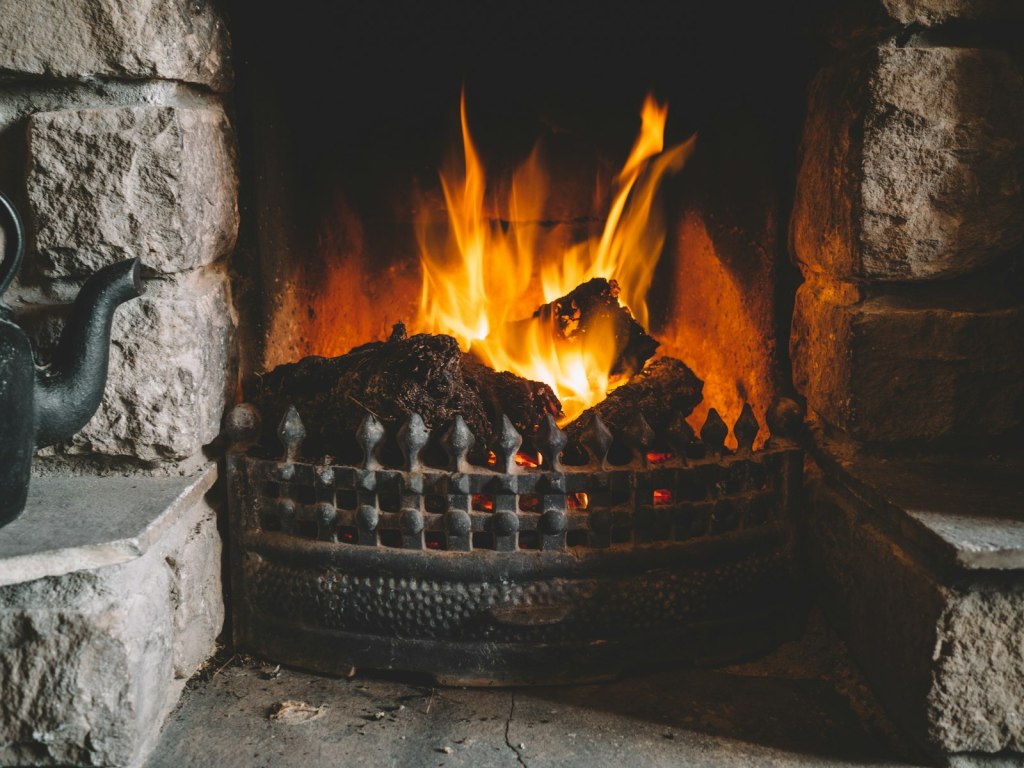
Hearth cooking was cooking at an open fireplace, which was the center of the home for warmth, light and food. According to Encyclopedia.com and the National Park Service, a cook managed a single fire for many tasks at once, moving pots closer to or farther from the flames to change the heat. There were no dials, so control came from experience and from the way the fire was built.
Fuel was usually wood, and the fire had to be tended all day. Preparing a meal meant carrying wood and water, keeping coals alive and judging heat by hand and eye. It was hard physical work, often done by several members of a household together.
Which tools did cooks use at the hearth?
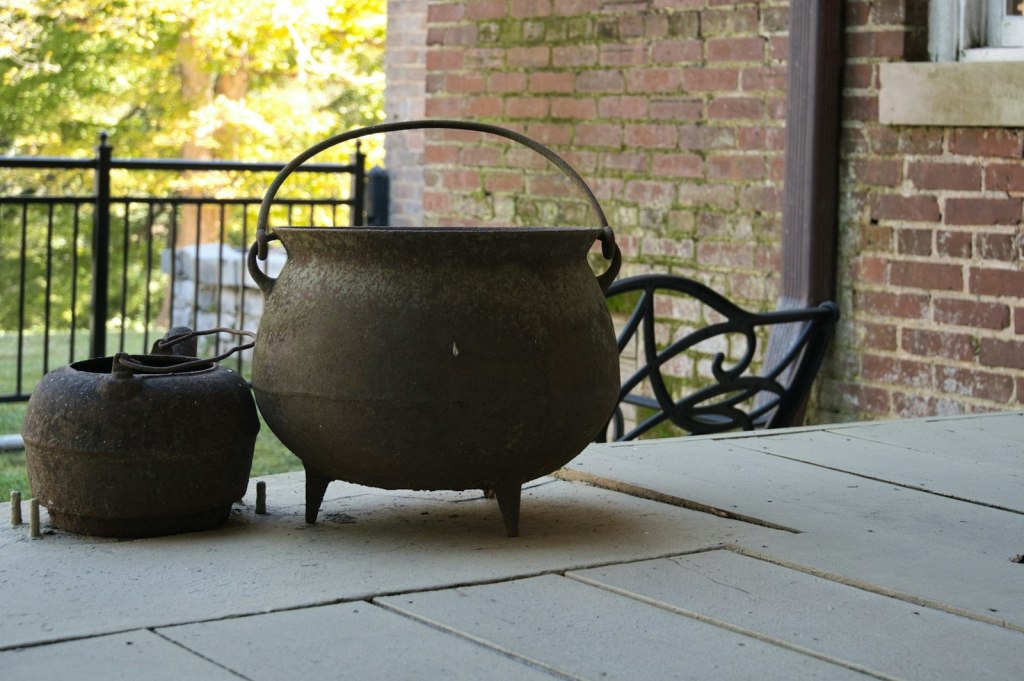
Iron pots and kettles were the workhorses. The Museums of History New South Wales and the National Park Service both describe large iron pots that hung from a crane or hook over the fire, allowing a cook to swing them in or out of the heat. Heavy pots with legs and lids, often called Dutch ovens, stood directly on a bed of coals, and more coals were placed on the lid so that food baked from above and below.
Meat was roasted on a spit that turned in front of the fire, so it cooked evenly. Encyclopedia.com and the Museums of History New South Wales also describe other simple tools, including long-handled spoons, skillets and trivets. Because the kitchen was close to the fire, long handles kept the cook at a safe distance. Fire also shaped other daily routines, as we describe in our article on how people preserved meat before refrigeration.
How did people bake without an oven?
There were two main answers. One was the covered pot buried in coals described above. The other was the brick or masonry oven, sometimes built into the side of the fireplace or standing separately. The Smithsonian Magazine’s timeline of oven inventions and Encyclopedia.com both describe the brick oven. The baker heated it with a wood fire, raked out the coals and ashes, and put the bread or pies inside to bake in the stored heat.
This method rewarded planning. A baker had to know how hot the oven was without a thermometer, and it was common to bake several items in order, from foods needing the most heat to those needing the least, as the oven slowly cooled.
When did stoves replace the open hearth?
Enclosed cast-iron stoves burning wood or coal spread through the 1800s, according to the Smithsonian and the National Park Service. A stove held its fire in a closed box, with a flat top where several pots could sit at once and an oven built in. It used fuel more efficiently than an open fire and gave the cook better control, and it gradually became the center of the kitchen. Gas and electric ranges followed later.
These changes also made housework safer and cleaner, and they connected to broader changes in how homes were run. You can see another side of that shift in our article on how people made soap in the old days.
It helps to picture the daily rhythm this required. Fires were lit early, water and wood were carried in, and the main meal of the day was often planned around what could be cooked slowly in a pot while other work went on. Dishes that simmered for hours, such as stews and porridges, suited the hearth well because they needed little attention once the pot was in place. Quick, precise cooking was harder, which is one reason older recipes lean on patient methods. When people today cook with a cast-iron pot over a campfire, they are using the same basic ideas that kept households fed for generations.
What was left out, and why?
Exact cooking temperatures at the hearth and in brick ovens were left out, because they varied widely and the sources gave no agreed figures. The year the first cast-iron stove was patented, and the names of stove inventors, were also removed since the sources gave differing dates. Cooking times for particular dishes were left out because they depended on the fire and the cook.
Frequently asked questions
What is a hearth?
The floor of a fireplace, and by extension the open fire where most cooking took place in older homes.
How did cooks control the heat?
By moving pots on cranes and hooks, adjusting the fire and shifting coals, since there were no dials.
How did people bake bread without electricity?
In covered pots buried in coals or in brick ovens heated by a wood fire, as the Smithsonian and Encyclopedia.com describe.
What is a Dutch oven?
A heavy lidded iron pot, often with legs, that sat on coals with more coals on top so food cooked from above and below.
When did cast-iron stoves become common?
During the 1800s, according to the Smithsonian and the National Park Service.
A single fire once did the work of an entire kitchen. If you enjoy history explained clearly, subscribe to the channel at https://www.youtube.com/@mrglobalrankss.
Related reading: How people preserved meat before refrigeration, how people made soap in the old days, and daily life in ancient Rome.


Leave a Reply