
How did people stay cool before air conditioning? They stayed cool mainly by building and living with the heat in mind: homes were shaded and ventilated so air could move through them, thick walls and trees kept the sun out, and daily routines shifted so that the hardest work and the longest rests avoided the hottest hours. No single trick did the job. The cooling came from many small habits that added up.
This article covers the building features, the clothing and daily habits, and the older cooling ideas from hot regions of the world that people relied on when summer temperatures climbed above 90 degrees Fahrenheit (32 degrees Celsius). It also explains what was left out because the sources disagreed.
How did houses help people stay cool?
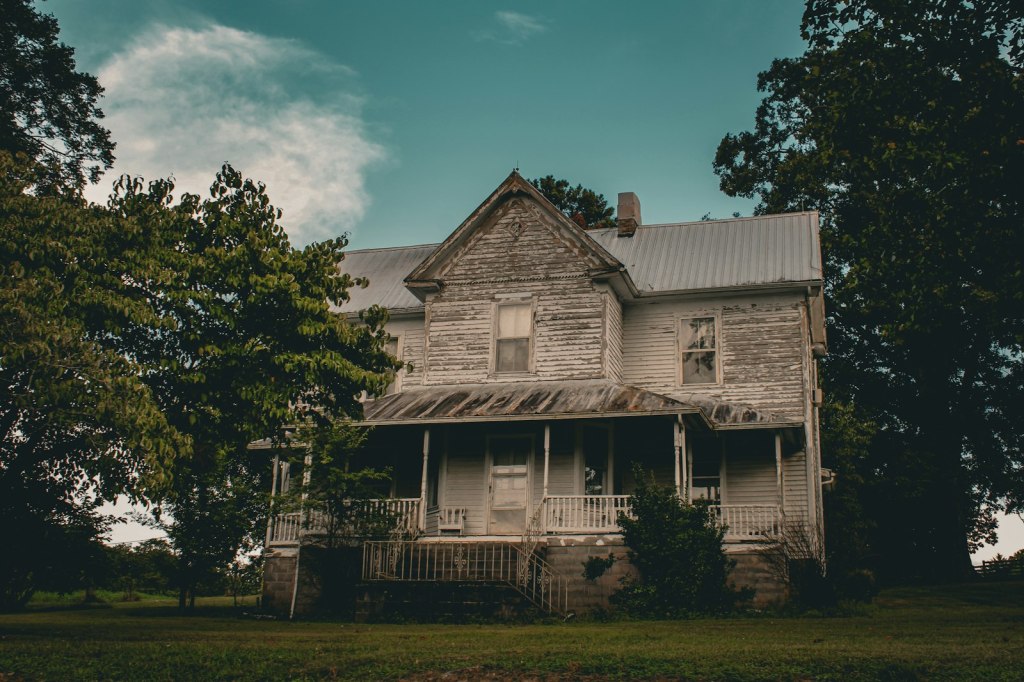
Houses did a great deal of the work. History.com and Smithsonian Magazine both describe how builders used design to manage heat, including openings placed so a breeze could cross the building, which is known as cross-ventilation. Windows on opposite sides of a room let warm air leave while cooler air entered, and open doors and hallways helped the air keep moving.
Other features follow the same logic. Mental Floss and the Farmers’ Almanac both point to wide porches, high ceilings and shutters. A deep porch shades the walls and windows from direct sun. A high ceiling lets hot air rise above the people in the room. Shutters can be closed during the day to block sunlight and opened in the evening to let the house breathe. Our look at why desert people wear more clothes in extreme heat shows that the same principle of blocking the sun applies to clothing.
Did trees, thick walls and cellars make a difference?
Yes. Shade trees planted near a house reduced the sunlight reaching its walls and roof, and the Smithsonian and the Farmers’ Almanac both mention them among the practical measures people used. Thick walls of stone, adobe or brick also helped, because heavy material warms slowly. During a hot day the walls absorb heat before it reaches the interior, then release it after dark when the air outside is cooler. ScienceABC and the Smithsonian discuss this effect in the context of hot regions.
Below ground, temperatures stay steadier than in the air above. History.com and the Farmers’ Almanac both mention cellars and basements as cooler places to rest or store food during heat waves. Many families also used sleeping porches, which are screened or open porches where people slept to catch the night air. These solutions required no fuel and no machinery, and they worked best when combined.
What cooling ideas came from hot regions?
Some of the cleverest designs came from hot, dry climates. The Smithsonian and ScienceABC both describe wind catchers, tall towers on traditional buildings in Persia, now Iran, that catch breezes and direct them down into the building while drawing warm air out. In some designs, air passed over water or through underground channels, which cooled it further by evaporation. The principle is simple: moving air feels cooler, and evaporating water removes heat.
Evaporation also mattered at home. People hung wet cloth in doorways or windows, and History.com and Mental Floss both mention wet sheets or similar methods that cooled the air as the water dried. Cold drinks, where ice was available, helped too, which connects to the story of how people kept food from spoiling before refrigeration.
How did daily habits change in hot weather?
Habits mattered as much as buildings. The sources describe people resting during the hottest part of the afternoon, working early in the morning or late in the evening, wearing loose and light clothing, and eating lighter meals. Gathering outdoors in the evening, once the air cooled, was also common. These routines look simple, but they reduced strain on the body at the times of day when heat posed the greatest risk.
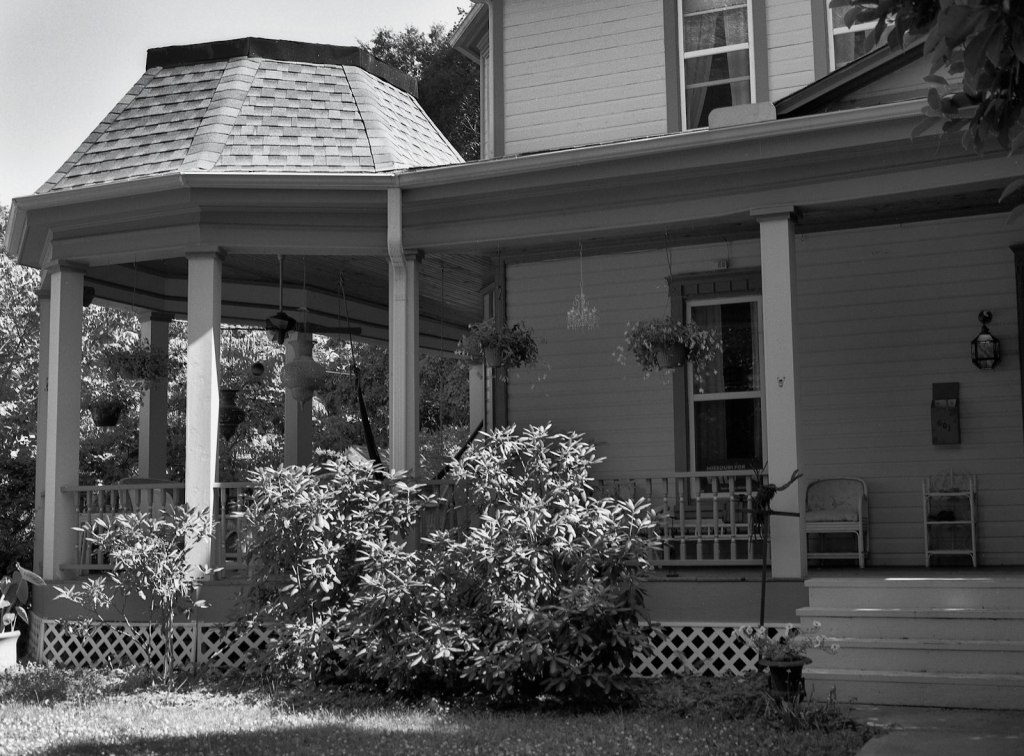
Taken together, these methods show a way of living in step with the climate rather than against it. A household did not try to make the whole house cold. Instead it protected the people inside: shade came first, then moving air, then rest during the worst hours. Many of these ideas are still used by architects today under the name of passive cooling, and they remain a useful guide when power is expensive or unavailable. The lesson from older homes is that a well-placed window, a deep porch or a mature tree can lower the strain of a hot day long before any machine is switched on.
What was left out, and why?
Two items were removed because the sources did not agree or a second source was missing. The first is the effort to cool President James Garfield’s sickroom in 1881: accounts differ on how long the cooling device ran, so no duration is given. The second is the date and details of Willis Carrier’s early air conditioning work, which was not confirmed by a second source we could cite. Exact temperature drops claimed for wind catchers and thick walls were also left out, since the figures varied.
Frequently asked questions
What is cross-ventilation?
It is airflow through a building from openings on opposite sides, which pushes warm air out and brings cooler air in.
Why were porches so common in hot places?
A deep porch shades walls and windows from direct sun and gives people a cooler place to sit, according to Mental Floss and the Farmers’ Almanac.
What is a wind catcher?
A wind catcher is a tall tower on a traditional building, used in Persia among other places, that directs breezes down into the interior while pulling warm air out.
Did people sleep outside in summer?
Many used sleeping porches or open windows to catch night air, as the Farmers’ Almanac and History.com describe.
Did thick walls really keep rooms cooler?
Yes. Heavy walls warm slowly, so they absorb daytime heat before it reaches the inside, according to ScienceABC and the Smithsonian.
Staying cool took planning long before machines did it for us. If you enjoy clear explanations of everyday history, subscribe to the channel at https://www.youtube.com/@mrglobalrankss.
Related reading: Why desert people wear more clothes in extreme heat, how people preserved meat before refrigeration, and what an 1800s bathroom was like.
Sources
- History.com: 11 ways people beat the heat before air conditioning
- Smithsonian Magazine: Six innovative ways humans have kept cool
- Mental Floss: Ways people kept cool before air conditioning
- Farmers’ Almanac: How did people stay cool before air conditioning
- ScienceABC: How did our ancestors keep cool in hot climates


Leave a Reply