
How did people travel before cars? They traveled on foot, on horseback, and in horse-drawn wagons, carriages and stagecoaches, and during the 1800s they increasingly used canal boats, steamboats and railroads. Each new method cut the time and cost of a journey, and together they are known as the transportation revolution.
This article follows the story mostly in the early United States, where the sources are best documented. It covers roads and animals, the age of canals and steamboats, the arrival of the railroad, and the details left out because the sources disagreed.
What was travel like on land?
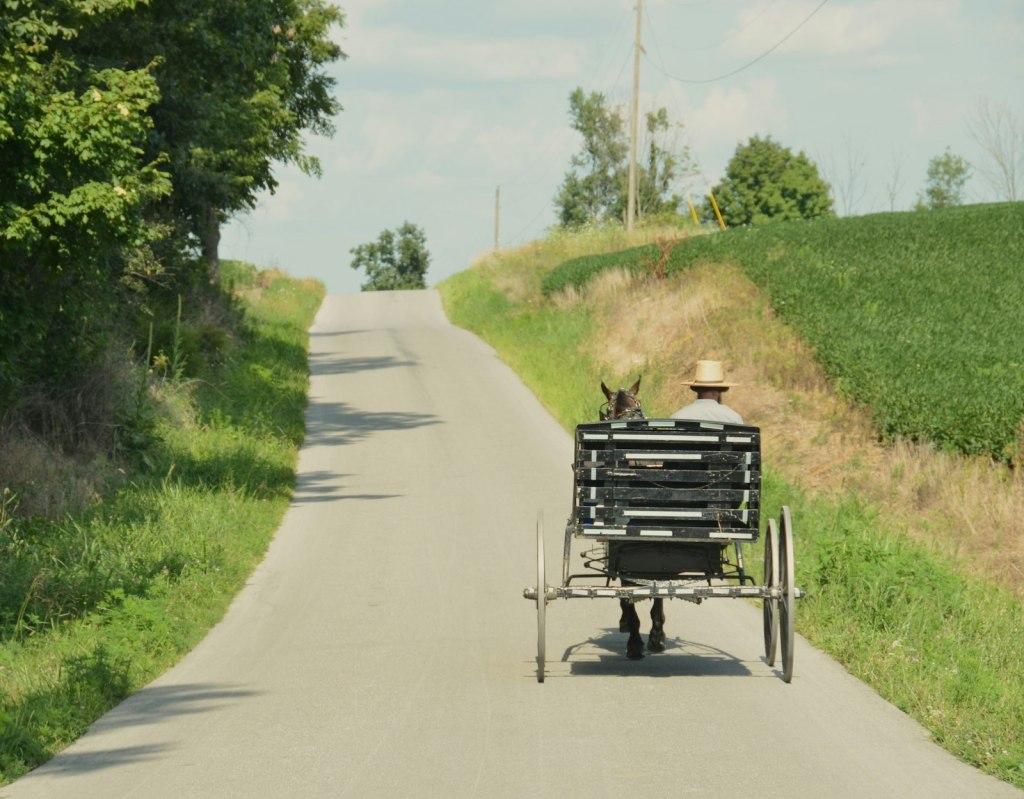
For most of history, land travel was slow, and it depended on muscle. TeachUSHistory.org and EBSCO Research Starters describe early nineteenth-century travelers relying on walking, horses, wagons and stagecoaches over roads that were often rough, muddy or little more than trails. Weather could stop a trip altogether, and a journey that seems short today could take days.
Stagecoaches carried passengers and mail along established routes, with stops where horses were changed. Better roads called turnpikes, which charged tolls to pay for their upkeep, improved some routes, according to the same sources. Even so, roads remained the slowest and most uncomfortable way to move goods, which is a key reason people looked for alternatives.
How did canals and steamboats change things?
Water offered a smoother, cheaper route. Lumen Learning’s U.S. history course and EBSCO both describe the steamboat, successfully demonstrated by Robert Fulton in 1807, as a turning point on rivers, since boats could now travel upstream against the current. The same sources describe the Erie Canal, completed in 1825, which linked the Hudson River with the Great Lakes and lowered the cost of moving goods across New York State.
These changes were not only about speed. They opened inland regions to trade and settlement, and they made it easier to ship farm products to cities. Navigation on these routes was often simpler than on land, a topic related to our article on how people navigated before GPS.
When did railroads arrive?
Railroads spread rapidly from the 1830s. Lumen Learning and the Federal Highway Administration both describe how railroad building accelerated through the middle of the century and, by 1869, a transcontinental line joined the eastern network with California. Trains were faster than any earlier land travel, and they ran on schedules that did not depend on rivers freezing or roads turning to mud.
Even then, horses did not vanish. The Henry Ford museum’s collection on life before cars and the Federal Highway Administration show that horse-drawn vehicles remained central to local travel, delivery and city life until motor vehicles became common in the early twentieth century. People walked to the train station, then rode a carriage to their final destination.
What did this mean for ordinary life?
Travel before cars shaped where people lived. Towns grew near rivers, canals and rail lines, and most people stayed close to home, since long trips took time and money. The idea of a daily commute by private vehicle did not exist. A look at how ordinary people lived in earlier eras, such as our article on daily life in ancient Rome, shows how much of life centered on places reachable on foot.
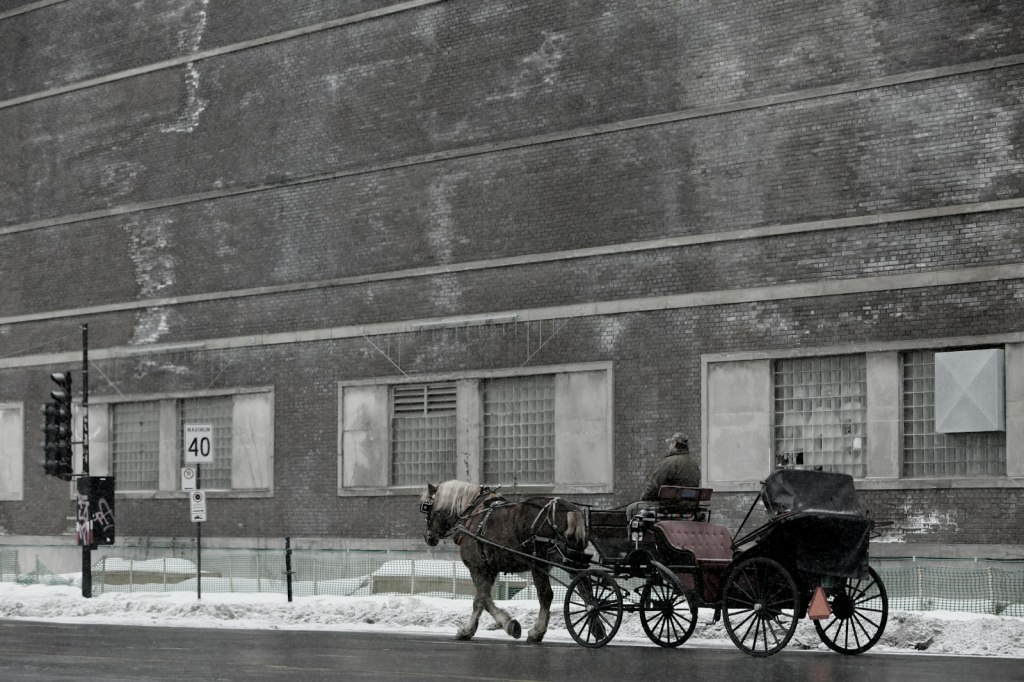
It is also worth remembering how personal this kind of travel was. A trip meant packing for the weather, planning where to rest the horses and sleep, and accepting that delays were normal. Travelers depended on inns, ferries and the goodwill of strangers. A journey was an event rather than an errand, and families often saw one another only a few times in a lifetime. The gradual arrival of canals, steamboats and railroads did more than save time: it changed what people thought was possible, and it prepared the way for the faster, more private forms of travel that followed.
What was left out, and why?
Travel speeds, ticket prices and journey times were left out, because the figures came from a single source or differed between sources. The exact year of the first American railroad line was also removed, since sources count it differently, so the article gives only the decade. Claims about the number of stagecoach routes and the share of people who owned horses were left out for lack of a second source.
Frequently asked questions
What was the main way to travel before cars?
Walking and horses for most people, with wagons and stagecoaches on longer routes.
What was the Erie Canal?
A canal completed in 1825 that connected the Hudson River to the Great Lakes, according to Lumen Learning and EBSCO.
Why were steamboats important?
They could travel upstream against river currents, which made river trade and travel faster and more dependable.
When did the transcontinental railroad open?
In 1869, linking the eastern railroad network with California.
Did horses disappear when trains arrived?
No. Horse-drawn vehicles stayed common for local travel and delivery until motor vehicles took over in the early twentieth century.
Every long trip once meant planning, patience and strong animals. If you enjoy history explained clearly, subscribe to the channel at https://www.youtube.com/@mrglobalrankss.
Related reading: How people navigated before GPS, daily life in ancient Rome, and why traffic lights sometimes miss motorcycles.


Leave a Reply