
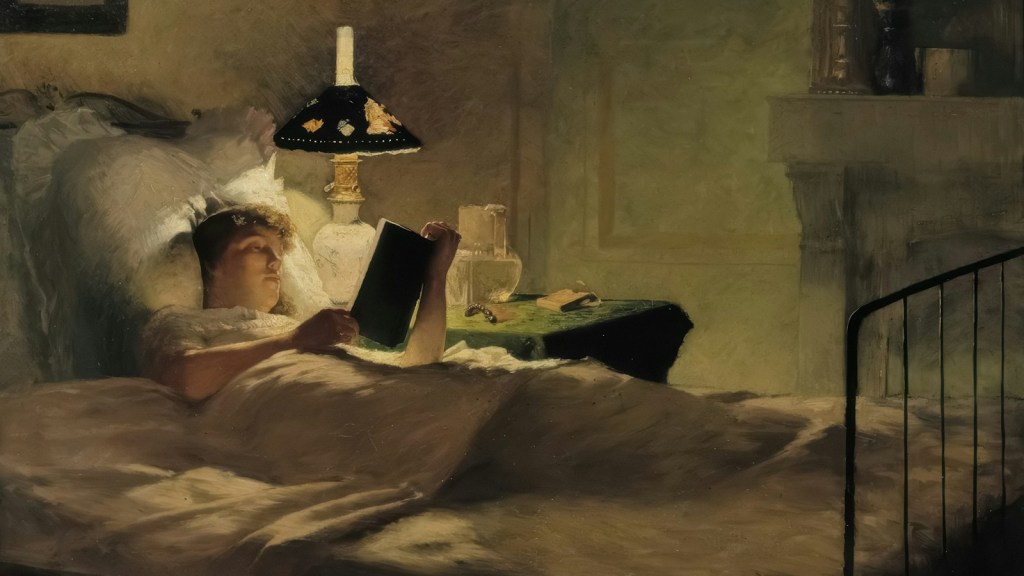
How did people sleep before electricity? Many people in pre-industrial Western societies slept in two parts, a “first sleep” soon after dark and a “second sleep” after an hour or more of quiet wakefulness past midnight, according to historian A. Roger Ekirch. Bedtime was commonly between 9 and 10 pm, and the pattern faded during the 1800s as artificial lighting spread.
This article explains when and how long people slept before electricity, what they did in the middle of the night, how studies of hunter-gatherers compare, when a single block of about eight hours became the expected pattern, and how people woke without an alarm clock. Historians still debate parts of this picture, and we note where the evidence is strong and where it is limited.
What is the evidence for a first sleep and a second sleep?
The best-known case comes from Roger Ekirch, a historian at Virginia Tech, who searched diaries, court records, medical texts and literature for clues about nights in the past. As Virginia Tech and the World Economic Forum both report, he found more than 500 references in many languages to a segmented pattern: several hours of sleep, a stretch of wakefulness of about an hour or more, and then a second sleep until morning.
National Geographic adds that references reach back to Homer’s Odyssey, composed in the late eighth or early seventh century BC, and that they treat the pattern as ordinary and in no need of explanation. A scholarly reply published by Cambridge University Press says that Ekirch now cites about two thousand textual references.
Not every researcher agrees. The same Cambridge reply notes that Niall Boyce argued in 2023 that the evidence had been read selectively, and Ekirch disputes that reading. National Geographic reports that sleep researcher Jerome Siegel also questioned Ekirch’s historical interpretation. The fair summary is that segmented sleep is well documented in Western writing, while its exact prevalence is still argued.
What time did people go to bed before electricity?
Ekirch told NPR that the standard time for going to sleep was somewhere between nine and ten at night. A summary published by News-Medical describes households going to bed around the same hour, and the World Economic Forum describes a first sleep that began around dusk. Both place the first sleep at roughly three to four hours.
These times are typical rather than fixed. The evidence consists of scattered references, and no household kept a sleep diary, so the figures are best read as a general rhythm of early evenings and long nights.
Studies of living hunter-gatherers offer a useful comparison, although they are not a direct record of the past. A study of the Hadza of Tanzania, the San of Namibia and the Tsimane of Bolivia followed 94 adults for 1,165 days. UCLA and National Geographic report that these groups fell asleep about three and a half hours after sunset on average, so they were far from asleep at dusk.
How long did people sleep before electricity, and how many hours was that?
There is no sleep log from the 1700s, which means the answer has to be pieced together from two kinds of evidence. The first is a laboratory experiment led by researcher Thomas Wehr. According to National Geographic, in the 1992 experiment volunteers were kept in a dark room for 14 hours a day for several weeks, and nearly all of them drifted into a segmented pattern. The Scientific American blog adds that by the fourth week they averaged about eight hours of sleep a night, split into two blocks of three to five hours, with one to two hours of quiet wakefulness between them.
The second kind of evidence is the hunter-gatherer study described above. Average sleep ranged from 5.7 to 7.1 hours a night across the groups, according to PBS NewsHour and National Geographic, and the combined average was about six hours and 25 minutes, or roughly 6.4 hours, according to UCLA and National Geographic. The groups also seldom napped.
Taken together, the findings point to a total somewhere between roughly six and eight hours, depending on the season, the people and the method. They do not support a single answer, and they do not show that eight unbroken hours was ever the only normal way to sleep.
What did people do while awake between the two sleeps?
Accounts summarized by Virginia Tech and NPR describe people praying, reflecting on their dreams and doing “anything and everything imaginable.” Virginia Tech’s account runs from reciting prayers to pilfering a neighbor’s chickens. The World Economic Forum summary adds chopping wood and socializing, and NPR notes that couples considered the interval especially suited to intimacy.
Many people simply stayed in bed in what Ekirch calls quiet wakefulness. Because the interval was treated as normal, it was not a worry, and that attitude is one of the clearest differences from how nighttime waking is viewed today.
When did humans start sleeping 8 hours straight?
There was no single date. Ekirch’s later work, as the Cambridge reply describes it, calls the transition “protracted and uneven,” with segmented sleep still common well into the 1800s. By the late 1800s, waking in the night was being treated as a disorder, and News-Medical’s summary says a single block of sleep was regarded as entirely normal by the early twentieth century. Taken together, the two accounts place the change between the late 1800s and the early 1900s.
Ekirch sees artificial light as the most likely cause. He told NPR that oil lighting spread through Western European cities and the early United States from the 18th century, that gas lighting arrived in the early 19th century and that electric light followed later in that century. News-Medical describes the same sequence of gas and then electric light, and National Geographic quotes sleep scientist Russell Foster attributing the shift to affordable artificial light that freed people from dependence on daylight. Other everyday routines changed along the same path, as we describe in our article on how people cooked before electricity.
How did people wake up before electricity?
Without alarm clocks, people relied on natural cues. In the hunter-gatherer study, most people woke around an hour before sunrise, as the temperature bottomed out, according to National Geographic. UCLA reports the same link to the daily temperature low, and PBS reports that the researchers concluded temperature, rather than light, plays a defining role in these groups’ sleep and waking cycles.
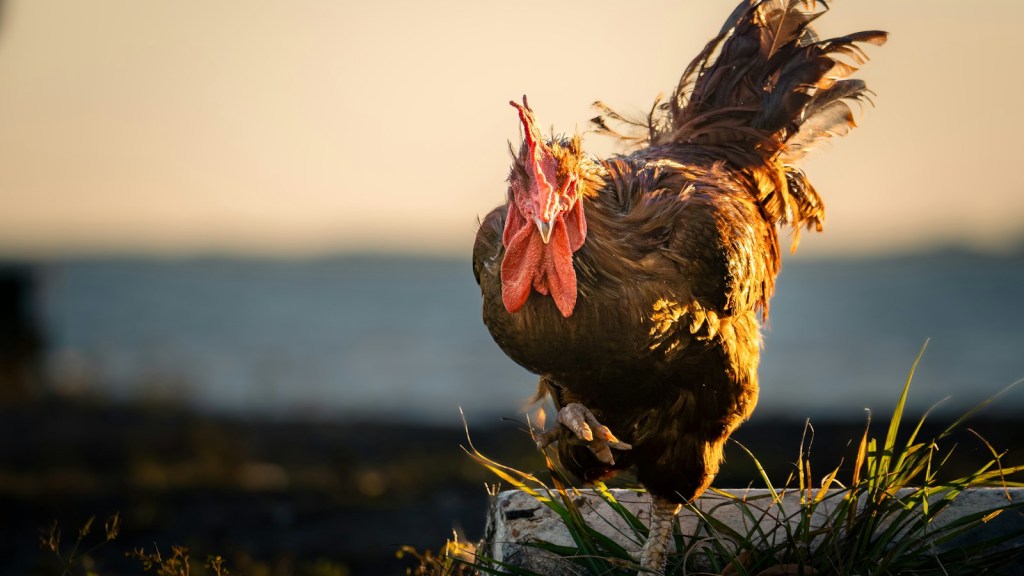
Animals offered cues as well. A 2013 study by researchers at Nagoya University in Japan, reported by National Geographic and ScienceDaily, found that roosters kept crowing near dawn even under constant dim light, which indicates an internal biological clock. That makes a rooster a reasonably dependable morning signal.
In industrial towns, people paid for help. JSTOR Daily and Atlas Obscura describe knocker-uppers, who were paid to wake factory and early-shift workers by tapping on windows with long sticks, rattles or even peashooters. The trade grew with the Industrial Revolution in Britain and Ireland and faded as cheap alarm clocks spread. Our article on how people woke up before alarm clocks tells that story in more detail.
What does this history change for sleep today?
It shows that the modern ideal of one uninterrupted night is a relatively recent standard. The Cambridge reply reports that waking in the night came to be treated as a disorder by the late 1800s, and the World Economic Forum notes that references to insomnia began to appear around the time accounts of segmented sleep faded. This article is a work of history, not medical advice, and anyone troubled by persistent sleep problems should speak with a doctor.
What was left out, and why?
The exact year segmented sleep disappeared was left out, because the sources describe a gradual change across the 1800s and early 1900s rather than a date. Claims that segmented sleep was universal across all cultures were left out, because the sources describe that question as unresolved. Precise clock times for waking, and the end date of the knocker-upper trade, were also left out, because the sources conflict or give only general ranges.
Frequently asked questions
How did people sleep before electricity?
Many people in pre-industrial Western societies slept in two segments, a first sleep and a second sleep, with an hour or more of quiet wakefulness between them, according to historian Roger Ekirch.
What time did people go to bed before electricity?
Ekirch says the standard bedtime was between nine and ten at night, although the evidence is a set of references rather than a measured record.
How many hours did people sleep before electricity?
Evidence from a laboratory experiment and from living hunter-gatherers points to roughly six to eight hours in total, with the hunter-gatherer average at about 6.4 hours.
When did humans start sleeping 8 hours?
There was no single date. Historians describe a gradual change across the 1800s and early 1900s, driven mainly by artificial lighting.
How did people wake up before electricity?
They relied on dawn, falling temperatures, roosters and, in industrial towns, paid knocker-uppers who tapped on windows.
Long nights shaped the way people lived for most of history. If you enjoy history and science explained clearly, subscribe to the channel Mr Global Rankss at https://www.youtube.com/@mrglobalrankss.
Related reading: How people woke up before alarm clocks, how people cooked before electricity, and how people made ice before electricity.
Sources
- Virginia Tech: Sleep, Interrupted
- National Geographic: Is sleeping through the night the right way to sleep?
- NPR: Ekirch on segmented sleep (transcript)
- News-Medical: History of sleep, what was normal?
- World Economic Forum: For thousands of years humans slept in two shifts
- Cambridge University Press: Reflections on Have we lost sleep?
- Scientific American blog: What is a natural sleep pattern?
- UCLA Newsroom: Our ancestors probably did not get 8 hours a night either
- National Geographic: Hunter-gatherer sleep, Hadza, San and Tsimane
- PBS NewsHour: Paleo ancestors sleep better than us
- National Geographic: Why roosters crow at dawn
- ScienceDaily: Roosters and the circadian clock
- JSTOR Daily: Who and what was a knocker-upper?
- Atlas Obscura: Remembering the knocker-ups


Leave a Reply