
Before modern flush toilets, people used a surprising range of solutions: simple pits, drains, shared latrines, chamber pots and, in castles, toilet chambers built into the wall. Some very old cities had better sanitation than many places centuries later. How did people use the bathroom before toilets? The answer depends on when and where they lived. This article follows the story from prehistoric stone houses through ancient Rome and the Middle Ages, explains the tools and habits that went with each period, and says clearly where the evidence is thin or disputed. It also points to related articles on this site if you want to go deeper into daily life in the past.
What did the earliest people do?
For most of human history, people simply went outdoors, away from where they lived and drank. Organized solutions appear with the first settled communities. At Skara Brae, a Stone Age village on Orkney in Scotland dated to roughly 3100 to 2500 BC, the stone houses were linked by drains and included small cells that look like toilets, according to Wikipedia’s article on Skara Brae and Atlas Obscura. Archaeologists interpret these features with some caution, since nobody can be certain how every space was used, but they suggest early planning for waste.
Did the Indus Valley have toilets?
Yes, in a sense. In cities of the Indus Valley, such as Mohenjo-daro, around 2500 BC, houses had brick toilets connected to drains that carried waste away from the home. The History Hit history of the toilet and the overview of the history of water supply and sanitation both describe organized drainage in these early cities. It is a reminder that clean, planned sanitation is thousands of years old, and that it was often lost again when cities collapsed.
How did the Romans go to the toilet?
Rome built public latrines for a city of about a million people. Visitors sat on long stone or wooden benches with holes cut close together and no dividers, with a channel of running water below. The Smithsonian, History Hit and The Collector all describe this layout, and it meant that using the toilet was a shared, social activity. Wealthier homes sometimes had a private latrine over a cesspit, while many people in apartment blocks used chamber pots that were emptied by enslaved people or tipped out. For more on the rhythm of the day, see what people in ancient Rome did all day.
What did Romans use instead of toilet paper?
The traditional reading of the evidence points to a sponge on a stick, called a tersorium, shared between users and rinsed in the water channel. The Smithsonian, History Hit and The Collector all give this account. Some scholars have questioned it, however, and suggest that people may have wiped with cloth or other materials. Treat the sponge story as a likely explanation rather than a settled fact.
What was a medieval toilet like?
In the Middle Ages, most ordinary people used chamber pots indoors and shared privies outdoors, often a seat over a pit behind the house. Waste was dumped in pits, streams or rivers, or carried away by workers. In towns, public latrines also existed, and some were built over rivers, as described by London Guided Walks and the History Hit history of the toilet. These systems depended on rain, rivers and the people who emptied the pits. Sanitation therefore varied enormously from town to town, and from one neighborhood to the next. A busy town with a fast river could carry waste away, while a crowded street with a blocked ditch could become a health problem for everyone nearby.
What was a garderobe?
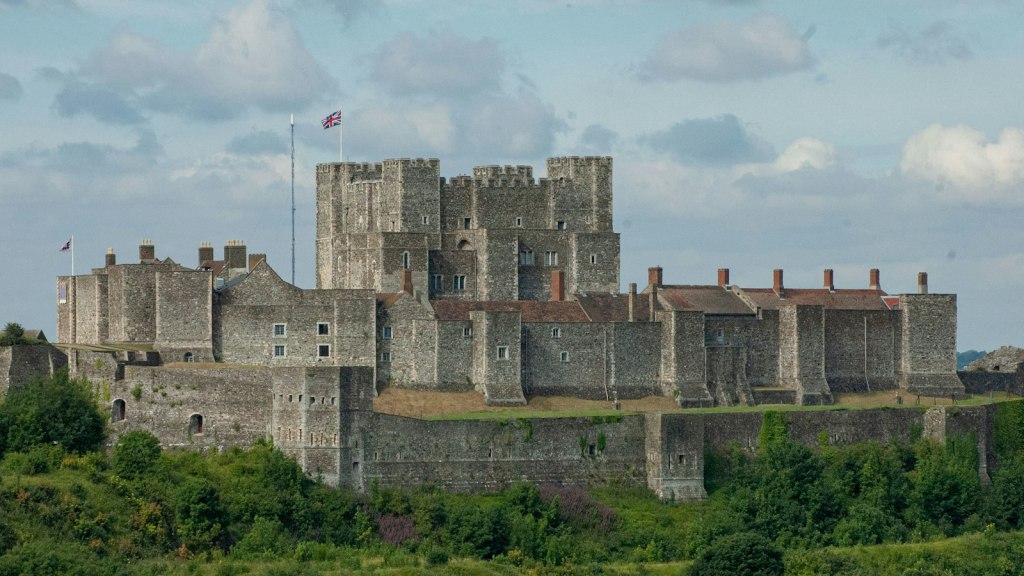
A garderobe was a toilet chamber built into a castle wall, usually with a seat over a shaft or an opening that overhung the outside. Waste fell into a moat, a pit or a cesspit below. English Heritage and the History Hit history of the toilet both describe these arrangements, and pits had to be cleaned out by workers known as gong farmers, a job described in a castle guide to the gong farmer. Despite the grim reputation, a garderobe was a real convenience compared with a bucket, and it gave lords a measure of privacy their servants rarely had.
When did flush toilets arrive?
An early flushing device is usually credited to the English courtier Sir John Harington in the 1590s, though sources differ on the exact year, and it did not become common for centuries. Flush toilets reached ordinary homes slowly, and even in the 1800s many households still relied on outdoor privies and tin tubs for washing. Our articles on how people bathed in the 1800s and when the White House got flush toilets show how late indoor plumbing arrived even in grand buildings.
What does this history show?
Progress in sanitation was not a straight line. Planned drains appear in the Stone Age and the Bronze Age, Rome built shared latrines with running water, and medieval towns often relied on pits, rivers and hired workers. What changed most over time was not the idea of removing waste but the scale of the systems and the reliability of the water that carried it. Each period solved the problem with the materials, laws and habits it had, and the differences between rich and poor households were often larger than the differences between centuries.
What was left out, and why?
Several vivid details appear in only one source, which is why they are left out. They include the exact number of public toilets in Rome, specific London fines and complaints about waste dumping, and stories of drownings in cesspits and soldiers entering castles through garderobes. The dates of the first flush toilet also conflict between sources, and the date of Rome’s great main sewer varies by several centuries depending on who is writing. This article therefore gives only the general period for each. Where scholars disagree, as with the Roman sponge, the article says so and does not choose a side.
Frequently asked questions
What is the oldest known toilet system?
Stone Age Skara Brae and the Indus Valley cities both show early drains and toilet-like features, dated to roughly 3100 to 2500 BC.
Did Romans have private toilets?
Some wealthy homes did, over cesspits. Most people used public latrines or chamber pots.
What is a garderobe?
A toilet chamber built into a medieval castle wall, with waste falling into a pit or moat below.
Who emptied medieval toilet pits?
Workers known as gong farmers cleaned out pits and cesspits.
If you enjoy history like this, browse more in our History and Facts sections and subscribe to Mr Global Rankss on YouTube (https://www.youtube.com/@mrglobalrankss) for more science, history and rankings.
Related reading: When Did the White House Get Flush Toilets?, How Did People in the 1800s Bathe? and What Did People in Ancient Rome Actually Do All Day?
Sources
- Wikipedia: Skara Brae
- Atlas Obscura: Skara Brae
- History Hit: From Filthy Streets to the First Flush
- Wikipedia: History of water supply and sanitation
- Smithsonian Magazine: How the ancient Romans went to the bathroom
- History Hit: How toilets worked in ancient Rome
- The Collector: How Rome solved its human waste problem
- London Guided Walks: Medieval toilets in London
- English Heritage: Life in a castle
- Newcastle Castle: Gong farmer


Leave a Reply