
Here are five everyday facts you didn’t know, each one checked against at least two independent sources. The short answer: sealed honey can stay safe to eat for thousands of years, sticky notes grew out of an adhesive that would not hold firmly, bubble wrap was first meant to be textured wallpaper, pencils contain no lead at all, and the Popsicle began with an 11-year-old boy in 1905. These are weird facts about everyday things that sit in most kitchens, offices and desk drawers, and each one has a real story of chemistry, chance or persistence behind it. This article is the companion to our YouTube Short “5 Everyday Facts You Won’t Believe Are True”, with more detail and the sources behind every claim.
Does honey really never spoil?
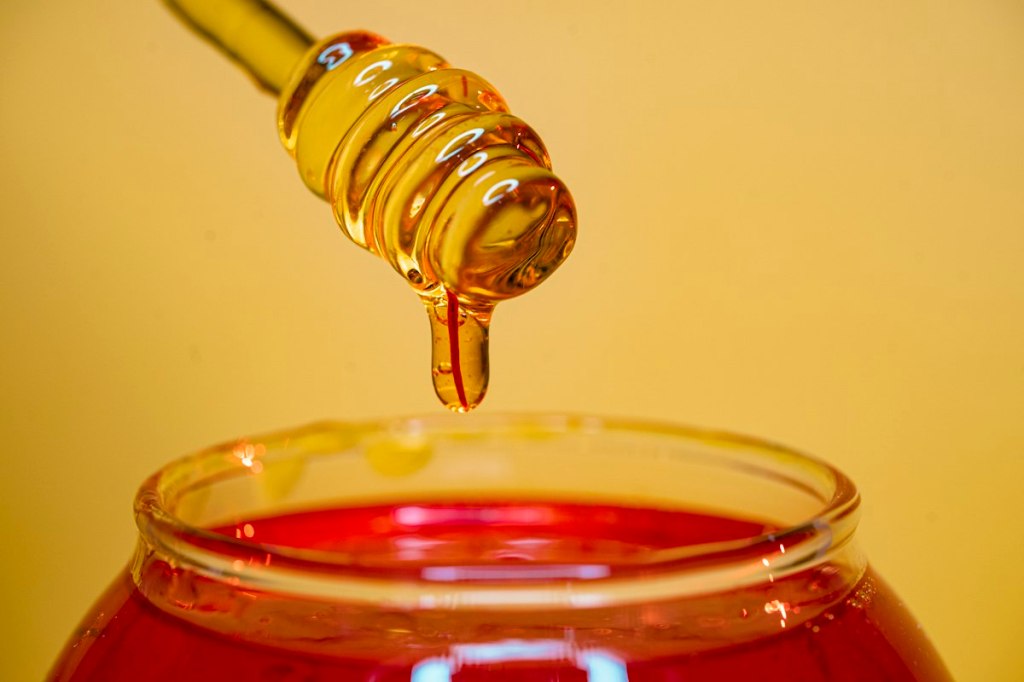
Properly sealed honey comes remarkably close. Smithsonian Magazine reports that archaeologists excavating ancient Egyptian tombs have found pots of honey thousands of years old that remained preserved, and Boing Boing puts the age of such tomb honey at about 3,000 years. Discover Magazine and Bee Culture likewise describe honey from Egyptian tombs as still edible. The exact age varies from find to find, so the safest statement is that honey has survived for thousands of years under the right conditions.
The reason is chemistry. Honey is a sugar with very little water in it, and it is hygroscopic, meaning it draws moisture from the air. That shortage of water makes it difficult for most bacteria and yeasts to survive, a point made by both Smithsonian Magazine and Discover Magazine. Honey is also acidic, with a pH of roughly 3 to 4.5 according to Smithsonian Magazine and Boing Boing, which is low enough to stop most organisms from growing.
Bees add one more safeguard. Nectar starts out at about 60 to 80 percent water, according to Smithsonian Magazine and Boing Boing, and bees work much of that water out through evaporation inside the warm hive. They also add an enzyme called glucose oxidase, which produces small amounts of hydrogen peroxide, a compound with strong antimicrobial properties; Discover Magazine and Bee Culture both describe this step. Ancient people valued honey as medicine too: both Smithsonian Magazine and Boing Boing note that Sumerian clay tablets record its use in remedies.
There is one important condition. Honey stays safe only while it is sealed and kept dry. If water gets in, for example from an open jar in a humid kitchen, yeast can begin to ferment it, as Discover Magazine and Smithsonian Magazine explain. Honey is one of several foods that people kept for long periods without refrigeration; our article on how people preserved meat before refrigeration covers the salt and smoke methods used for meat.
Were sticky notes really made from a failed glue?
Yes, in the sense that the adhesive did not do what adhesives were expected to do. In 1968, 3M scientist Spencer Silver created an unusual adhesive that held lightly and peeled away cleanly, according to both MNopedia, published by MinnPost and the Lemelson-MIT Program. It was too weak for ordinary tape, and Silver spent about five years presenting it to colleagues at 3M without finding a practical use for it.
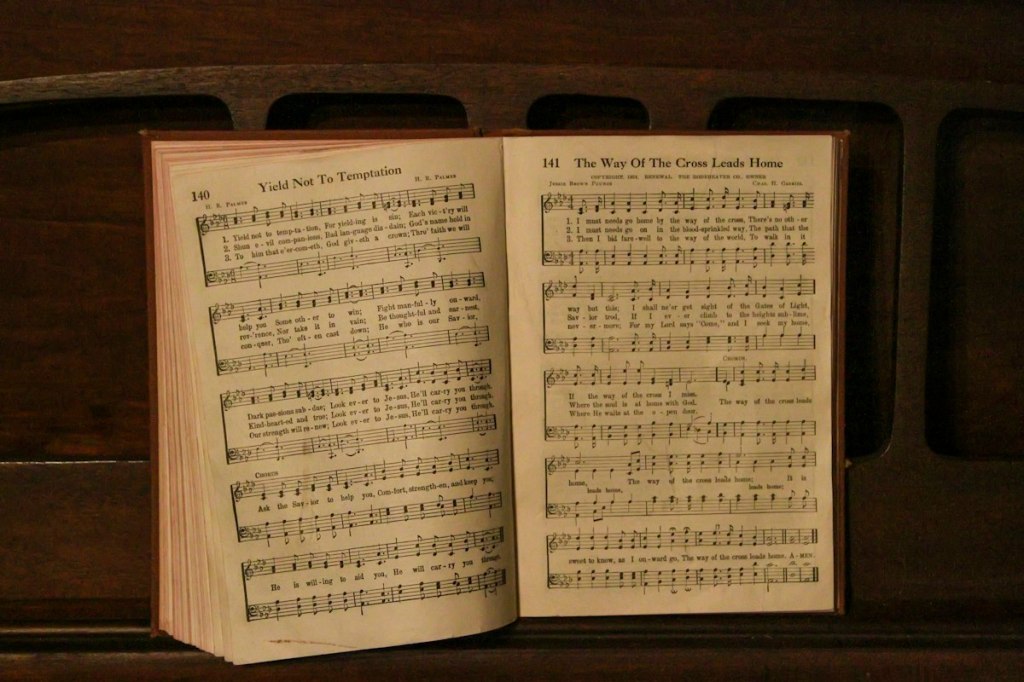
The breakthrough came from Art Fry, a 3M product developer who sang in his church choir. His paper bookmarks kept slipping out of his hymnal, and he realized that Silver’s light adhesive could hold a bookmark in place without tearing the page. All three accounts, from MNopedia, published by MinnPost, the Lemelson-MIT Program and the National Inventors Hall of Fame, tell the story the same way.
Success was not immediate. The product was first tested under the name Press ‘n Peel in several cities, with mixed results, according to MNopedia, published by MinnPost and the National Inventors Hall of Fame. After further work and a new name, Post-it Notes went on sale across the U.S. in 1980, a date given by all three sources.
Was bubble wrap first sold as wallpaper?
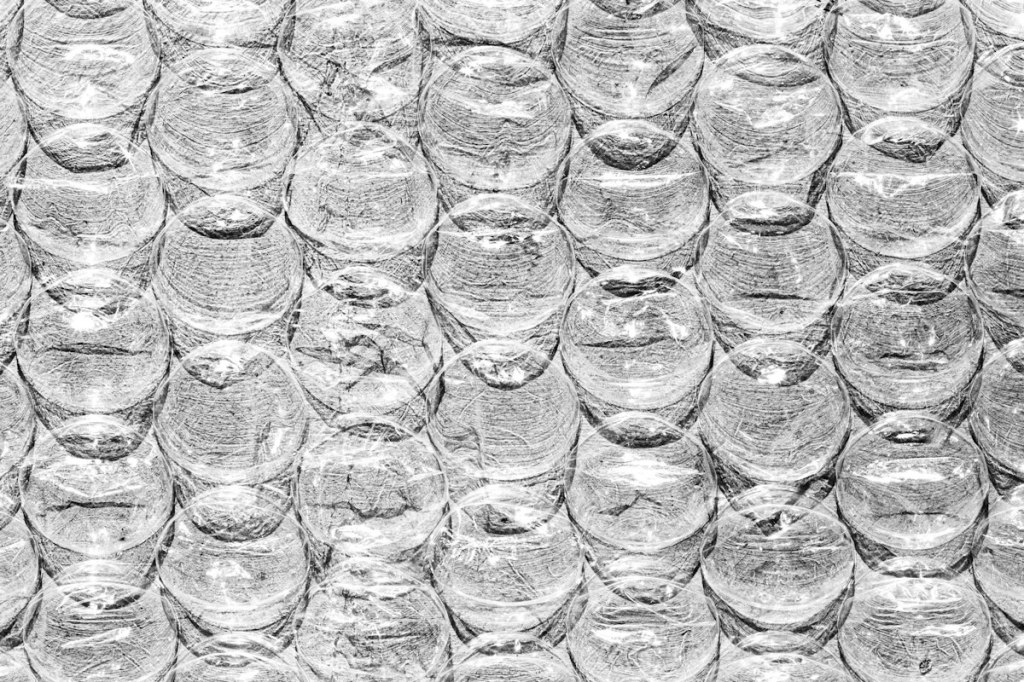
It was designed as wallpaper, although it never succeeded as one. In 1957, Alfred Fielding and Swiss inventor Marc Chavannes sealed two plastic shower curtains together in an attempt to create a textured wallpaper, and the process trapped rows of air bubbles between the layers. Both Smithsonian Magazine and Mental Floss describe the experiment in the same terms.
The wallpaper did not sell. The inventors then tried marketing the material as greenhouse insulation, which also failed to catch on, according to both sources. Their luck changed when the company they formed, Sealed Air, began offering Bubble Wrap as protective packaging. IBM used it to protect its 1401 computer during shipping, a turning point reported by both Smithsonian Magazine and Mental Floss. A decorating idea had become one of the most familiar packing materials in the world.
Is there any lead in a pencil?
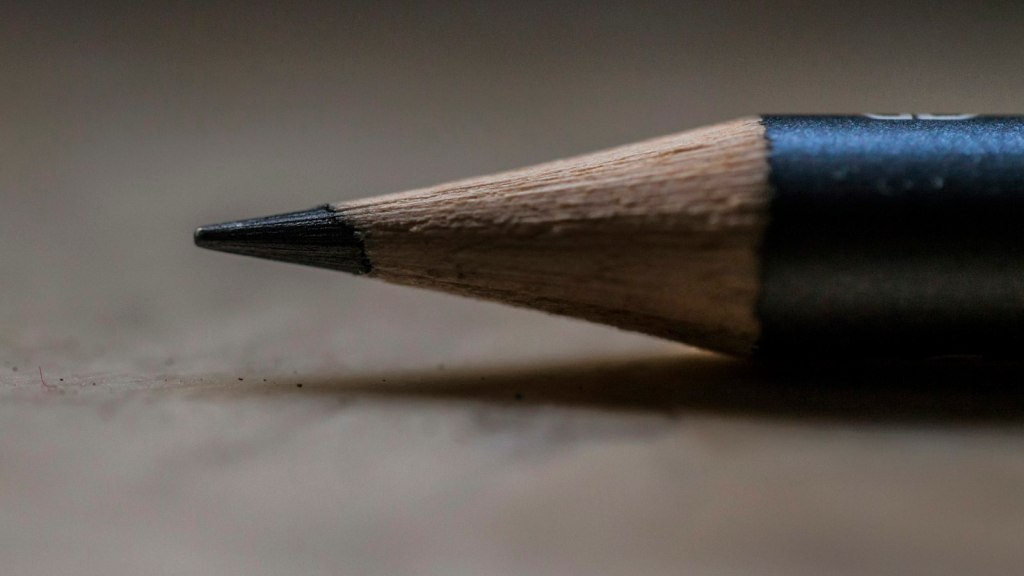
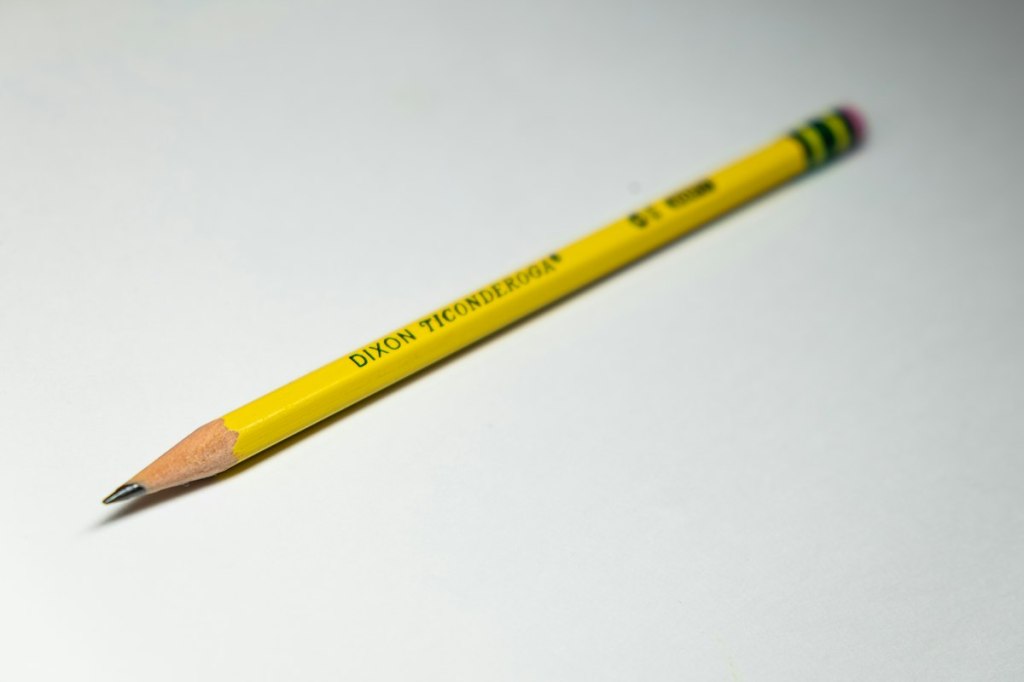
No. The core of an ordinary pencil is a mixture of graphite and clay, and it contains no lead. McGill University’s Office for Science and Society states plainly that pencils never contained lead, and Discover Magazine confirms that a pencil holds only clay and graphite. Graphite is a form of carbon, and its name comes from the Greek word for writing or drawing.
The confusion began in England. In the sixteenth century, a large and unusually pure deposit of graphite was found in Borrowdale, in what is now Cumbria. People at the time believed the shiny black mineral was a form of lead and called it plumbago, from the Latin word for lead, according to HistoryofInformation.com and Today I Found Out. The name stuck long after chemists understood what the material really was. McGill University’s Office for Science and Society also points to an older influence: ancient Romans drew guide lines with real lead, which may have helped fix the word in the language.
The modern pencil took shape in 1795, when Frenchman Nicolas-Jacques Conté developed a method of mixing powdered graphite with clay and firing it, a date given by both Discover Magazine and Today I Found Out. Changing the amount of clay changes the pencil: more graphite produces a softer, darker line, and more clay produces a harder, lighter one, as McGill University’s Office for Science and Society and Today I Found Out explain.
Did an 11-year-old really invent the Popsicle?
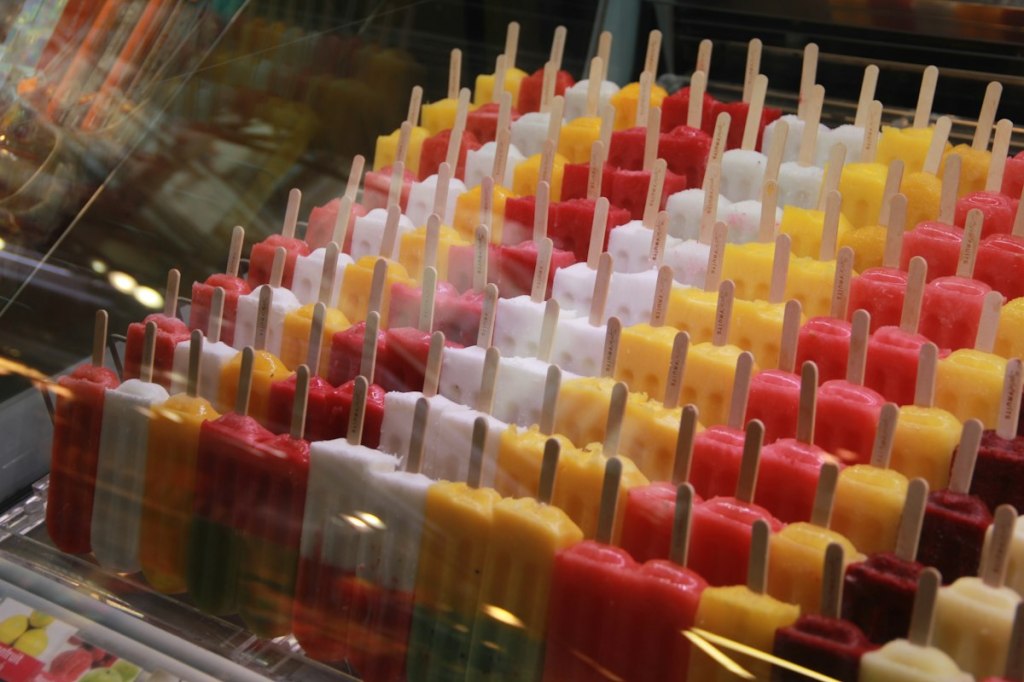
By the most widely repeated account, yes. In 1905, 11-year-old Frank Epperson of the San Francisco Bay Area mixed a powdered soda drink with water, left the glass outside overnight with the wooden stirring stick still in it, and found it frozen the next morning. NPR, History.com and Mental Floss all tell this story, and NPR describes it as somewhat apocryphal, which is a fair reminder that early accounts are hard to verify in every detail.
Epperson first called his treat the Eppsicle, a blend of his name and the word icicle; History.com and Mental Floss use that spelling, while NPR spells it Epsicle. Years later, his own children asked for “Pop’s ‘sicles”, and the name Popsicle stuck, according to all three sources. He eventually sold his rights to the invention, as NPR and Mental Floss report. During the Great Depression, a two-stick version appeared that two children could share for the price of one, a detail found in both NPR and History.com.
The Popsicle arrived at a time when keeping anything frozen at home was still a challenge. Our article on how people kept food cold in the 1800s explains the ice harvesting and iceboxes that families relied on before electric refrigerators.
What do these everyday facts have in common?
Each of these everyday fun facts shows how ordinary objects often come from unexpected places. Two of them began as apparent failures: an adhesive that would not hold firmly and a wallpaper that nobody bought. One rests on a naming mistake that is several centuries old, one on a child’s forgotten drink, and one on the natural chemistry of a food that bees perfected long before people studied it. These are interesting everyday facts precisely because the objects are familiar while their histories are not.
The same pattern appears in many everyday life facts about older technology. Our article on how people woke up before alarm clocks follows a similar path from improvised solutions to the devices we now take for granted.
What was left out, and why?
Several details were left out because only one source supported them or because the sources disagreed. The year Art Fry first had his hymnal idea is given by only one source, and the year of Silver’s adhesive is given as 1968 by two sources but as 1970 by a third. The Boise test campaign for Post-it Notes and the founding year of Sealed Air each appeared in only one source we checked. For the Popsicle, the patent year differs between sources (1923 in two, 1924 in another), Epperson’s home is given variously as Oakland, San Francisco or the Bay Area, and the place and year of his first public sales also differ. No claim is made here that anyone ate the tomb honey, only that sources describe it as still edible, and the weather on the night the first Popsicle froze is not stated because no reliable figure was found.
Frequently asked questions
What are some everyday facts you should know?
Sealed honey can last for thousands of years, pencils contain graphite and clay rather than lead, and Post-it Notes grew out of a weak adhesive created at 3M in 1968. Bubble wrap was first designed as wallpaper in 1957, and the Popsicle is credited to an 11-year-old boy in 1905.
Why does honey never spoil?
Honey is very low in water, highly acidic with a pH of about 3 to 4.5, and contains small amounts of hydrogen peroxide produced by a bee enzyme. Together these conditions prevent most bacteria and yeasts from growing, as long as the honey stays sealed and dry.
Why is pencil lead called lead if there is no lead in it?
When a large graphite deposit was found in Borrowdale, England, in the sixteenth century, people believed it was a form of lead and called it plumbago. The name survived even though pencil cores have always been graphite, later mixed with clay.
Who invented the Popsicle?
The Popsicle is credited to Frank Epperson, who as an 11-year-old in 1905 left a drink with a stirring stick outside overnight and found it frozen. His children later gave it the name Popsicle by asking for “Pop’s ‘sicles”.
If you enjoy weird everyday facts and fun facts you won’t believe, browse more in our Facts and History sections and subscribe to Mr Global Rankss on YouTube (https://www.youtube.com/@mrglobalrankss) for more science, history and rankings.
Related reading: How Did People Wake Up Before Alarm Clocks Were Invented?, How Did People See Before Glasses?, How Did People Preserve Meat Before Refrigeration?
Sources
- Smithsonian Magazine: Why honey never spoils
- Discover Magazine: Honey's eternal shelf life, explained
- Bee Culture: Honey's eternal shelf life, explained
- Boing Boing: Honey from sealed Egyptian tombs is still edible after 3,000 years
- MNopedia (MinnPost): How a failed glue experiment led to the Post-it
- Lemelson-MIT Program: Art Fry and Spencer Silver
- National Inventors Hall of Fame: Art Fry and Post-it Notes
- Smithsonian Magazine: The accidental invention of Bubble Wrap
- Mental Floss: Bubble Wrap was originally supposed to be wallpaper
- McGill Office for Science and Society: Pencils never contained lead
- Discover Magazine: 20 things you didn't know about pencils
- HistoryofInformation.com: Origins of the pencil
- Today I Found Out: Why pencil lead is called lead
- NPR The Salt: How an 11-year-old boy invented the Popsicle
- History.com: Frozen history, the story of the Popsicle
- Mental Floss: How a distracted 11-year-old invented the Popsicle


Leave a Reply